Site Map — every page on TheSea.Org
All 3,072 articles, organised exactly like the site menu: 21 sections, each split into its topics. Open a section to see every page in it, or search for a topic.
3,072Articles
21Sections
178Topics
No pages match. Try a shorter word.

01
134 pagesOceans
Oceans 6
Interesting Facts 68
Q&A: Science & Geography 41
Q&A: Life & Conservation 8
Indian Ocean Q&A 6
Southern Ocean Q&A 5
Open the Oceans hub →
Show all 134 pagesShow fewer
Oceans
- The Five Oceans of the World: Sizes, Depths and Key Facts Compared
- Arctic Ocean: The Smallest, Shallowest Ocean and Its Shrinking Ice
- Atlantic Ocean: Size, Depth, Currents and Key Facts
- Indian Ocean: Size, Depth, Monsoons and Key Facts
- Pacific Ocean: Size, Depth, Ring of Fire and Key Facts
- Southern Ocean: The Fifth Ocean Around Antarctica, Explained
Interesting Facts
- Oceans and Seas: Facts, Differences and Every Ocean Story on TheSea.org
- Coastal Wonders: Blue Holes, Rare-Sand Beaches and Sea Caves
- Sea Monsters, Myths and Legends: The Stories and the Science Behind Them
- Japanese Pufferfish Sand Circles: How a 12 cm Fish Builds a 2 m Nest
- James Cameron’s Mariana Trench Dive: The First Solo Trip to Challenger Deep
- The Antikythera Mechanism Discovery: How Sponge Divers Found an Ancient Computer
- Zhemchug Canyon: The World’s Largest Underwater Canyon in the Bering Sea
- How Much Oxygen Comes From the Ocean? About Half, and Here’s Why
- Is 99% of Earth’s Living Space in the Ocean? What the Number Means
- Are 91% of Ocean Species Undiscovered? Where the Number Comes From
- Sea Nymph Mythology: Nereids, Oceanids and Naiads Explained
- Old Man of the Sea Greek Mythology: Nereus, Proteus, Phorcys
- Old Sea Monster Maps: Carta Marina and the Medieval Ocean
- Sea Monster Leviathan and Rahab: Sea Monsters of the Bible
- Mythical Sea Creatures: An A-Z List of Names From Every Culture
- Sirens vs Mermaids: How a Bird-Woman Became a Fish-Tail
- Cetus Sea Monster: The Greek Beast Perseus Turned to Stone
- Champ Sea Monster: The Lake Champlain Legend and the Science
- Greek Sea Gods and Goddesses: Poseidon, Oceanus and More
- Japanese Sea Monsters: Umibōzu, Isonade and the Ningen
- The Lusca: The Bahamas’ Blue-Hole Monster, Legend and Reality
- Sea Serpents: The Sightings, the Hoaxes and the Oarfish
- Scylla and Charybdis: Homer’s Sea Monsters and the Strait of Messina
- Sea Monsters: The Real Animals Behind 12 Legends
- Are Mermaids Real? Sirens, Sea Cows and the History of the Myth
- The Flying Dutchman: The Ghost Ship Legend and the Science Behind It
- Ghost Ships: 10 Real Derelicts Found Adrift Without a Crew
- The Loch Ness Monster: Sightings, Hoaxes and the Eel Hypothesis
- The Bermuda Triangle: What Oceanography and the Records Actually Say
- Dean’s Blue Hole: The Bahamas’ 202 m Freediving Arena
- Sea Stacks: How Waves Turn Headlands Into Pillars
- Sea Caves: How Waves Carve Them, and the Greatest on Earth
- Pink Sand Beaches: Foraminifera and Where to Find Them
- Papakolea Green Sand Beach: Olivine, Geology and the Hike
- Blue Holes: How They Form and the Deepest on Earth
- Black Sand Beaches: How Volcanoes Make Them, and the Best 10
- Deep Sea Creatures by Zone: Who Lives Where, and How They Survive
- How Much of the Ocean Is Explored? Mapped, Seen and Still Unknown
- Why Is the Ocean Blue? The Physics of Sea Colour, Explained
- Continental Shelf: The Shallow Sea Where Most Ocean Life Lives
- Gulf Stream: Florida’s Ocean River and How It Shapes the Atlantic
- Marine Snow: The Endless Blizzard That Feeds the Deep Sea
- Ocean Zones: The 5 Layers of the Ocean From Sunlight to Hadal
- Hadal Zone: Life in the Ocean Trenches Below 6,000 Metres
- Abyssal Zone: Life on the Deep Ocean Floor, 4,000 to 6,000 Metres Down
- Hydrothermal Vents: Black Smokers and Life Without Sunlight
- Whale Fall: How One Carcass Feeds the Deep Sea for Decades
- Oyster Reefs: Florida’s Living Water Filters
- Red Mangrove: The “Walking Tree” That Stands in the Sea
- Barrier Islands: How Sanibel, Marco Island and the Gulf Coast’s Sand Islands Formed
- Salt Marsh: The Grassland of the Tides and One of Earth’s Most Productive Ecosystems
- The Intertidal Zone: 4 Bands of Survival Between the Tides
- Brackish Water: The Salty-Fresh Middle Ground and the Animals That Live There
- Types of Mangroves: How to Tell Red, Black and White Mangroves Apart
- Coastal Habitats: Mangroves, Estuaries, Seagrass and Tide Pools
- Seagrass Meadows: Manatee Pasture and Fish Nursery
- Tide Pools: What Lives Between the Tides
- Mangroves: The Salt-Tolerant Forests Where Land Meets Sea
- Estuaries: Where Rivers Meet the Sea
- How Much Gold Is in the Ocean? Maybe 15,000 Tons, Not 20 Million
- Is the Bottom of the Ocean Hot? Near-Freezing, Except at Vents Over 400 °C
- The Biggest Ocean Waves Are Underwater: Internal Waves Explained
- The Bloop: The Mystery Ocean Sound That Turned Out to Be an Icequake
- How Polar Fish Antifreeze Proteins Could Help Preserve Food and Organs
- Have More People Been to the Moon Than the Deepest Ocean? Not Anymore
- The World’s Tallest Waterfall Is Underwater: The Denmark Strait Cataract
- Do We Have Better Maps of Mars Than the Ocean Floor? Yes, Here’s Why
- Jacques Cousteau: Biography, Aqua-Lung, Calypso and Legacy
Q&A: Science & Geography
- How Are Ocean Currents Formed? Wind, Density and Earth’s Spin
- How Deep Is the Mariana Trench? Challenger Deep Explained
- How Do Oceans Affect the Climate? Heat, Carbon and Currents
- Mid-Ocean Ridge: Earth’s Longest Mountain Range
- Does Sound Travel Faster in the Ocean? About 4.4 Times Faster
- Does 90% of Volcanic Activity Occur in the Ocean?
- Is the Atlantic Ocean Getting Bigger and the Pacific Smaller?
- How Deep Is the Ocean? Average Depth and Ocean Zones
- The Rarest Sea Animals in the World: From the Vaquita to the Red Handfish
- The Most Colorful Fish in the World, and How Fish Make Their Colors
- The Cutest Sea Animals: 14 Adorable Ocean Animals and the Science of Cute
- Ocean Records: The Biggest, Deepest, Fastest and Smallest
- The Smallest Fish in the World: Paedocypris and the Infantfish
- The Biggest Fish Ever Caught: Rod-and-Reel Records
- The Largest Fish in the World: Sharks, Rays and Bony Giants
- The Deepest Animals in the Ocean: Records by Group
- Ocean Decomposers: The Unsung Recyclers of the Sea
- What’s the Fastest Animal in the Ocean? Myths vs Measured Speeds
- What Ocean Lies Completely in the Eastern Hemisphere? The Indian Ocean
- Which Factor Affects the Temperature of Ocean Water? Latitude, Depth and More
- What Is the Most Dangerous Ocean? Southern, Indian or Pacific?
- How Has Ocean Exploration Increased Human Understanding of Aquatic Ecosystems?
- What Ocean Is Cancun On? The Caribbean Sea, Part of the Atlantic
- In What Ocean Does the Prime Meridian Cross the Equator?
- What Name Is Given to the Open Ocean? The Pelagic Zone
- What Role Does the Squid Play in the Ocean Ecosystem? Predator and Prey
- What Are the Most Dangerous Animals in the Ocean? 10 Ranked
- What Forces Are Responsible for Producing Ocean Waves?
- How Many Gallons Are in the Pacific Ocean? About 180 Quintillion
- Why Is the Bottom Layer of the Ocean the Coldest?
- What Role Does Squid Play in the Ocean Ecosystem? 5 Services Squid Provide
- Is It Illegal to Scatter Ashes in the Ocean? US Rules Explained
- What Is the Smartest Animal in the Ocean? Dolphins, Orcas and Octopus
- What Animals Live in the Pacific Ocean? From Reefs to Trenches
- Why Are Red Organisms Found Deeper in the Ocean?
- Do All Drains Lead to the Ocean? Storm Drains vs Sewers
- How Much of Earth’s Surface Is Ocean? Surface Area, Temperature and Life
- World’s Largest Oceans Ranked by Size
- Deepest Oceans in the World: The Deepest Point in Each Ocean
- What Causes Ocean Tides? The Moon, the Sun and Earth’s Spin
- Ocean Food Web: How Energy Flows From Plankton to Whales
Q&A: Life & Conservation
- Great Pacific Garbage Patch: How Big Is It Really?
- Are There Plastic Islands in the Ocean? The 5 Garbage Patches
- What Is Ocean-Bound Plastic? Definition, Certification and Limits
- How Can We Conserve the Oceans? Treaties, Protected Areas and Everyday Action
- Are the Oceans Warming? Ocean Heat, Records and Marine Heatwaves
- How Does Climate Change Affect the Ocean? 7 Major Impacts
- What Oceans Border the United States? Pacific, Atlantic and Arctic
- Is It Safe to Swim in the Ocean at Night? Risks and Precautions
Indian Ocean Q&A
- Is the Indian Ocean Dangerous? Storms, Tsunamis, Sharks and Currents
- How Much Gold Is in the Indian Ocean? Seawater, Seafloor and Shipwrecks
- How Many People Died in the 2004 Indian Ocean Tsunami?
- Why Is the Indian Ocean Named After India? The Story of the Name
- Where Do the Indian and Atlantic Oceans Meet? Cape Agulhas Explained
- How Wide Is the Indian Ocean? Width, Size and Depth Explained
Southern Ocean Q&A
- What Is the Southern Ocean Also Known As? Antarctic Ocean and Other Names
- Where Is the Southern Ocean on a World Map? Boundaries Explained
- Why Was the Southern Ocean Added as the Fifth Ocean?
- What Lives in the Southern Ocean? Krill, Icefish, Seals, Whales and More
- How Deep Is the Southern Ocean? Average Depth and the Factorian Deep

02
52 pagesSeas
Show all 52 pagesShow fewer
Seas A–M
- Seas of the World: List, Sizes, Depths & Facts
- Adriatic Sea: Size, Depth, Countries, Islands & Wildlife
- Aegean Sea: Size, Depth, Islands, History & Marine Life
- Andaman Sea
- Arabian Sea: Size, Depth, Monsoon, Countries & Marine Life
- Argentine Sea: Size, Depth, Patagonian Shelf & Wildlife
- Baltic Sea: Size, Depth, Salinity, Dead Zones & Wildlife
- Bering Sea: Size, Depth, Sea Ice, Fisheries & Wildlife
- White Sea: Russia’s Arctic Inlet, Depth, Ice & Wildlife
- Irish Sea: Size, Depth, Wildlife & Facts
- Solomon Sea: Depth, Location, Reefs & WWII History
- Timor Sea: Size, Depth, Reefs, Oil & Marine Life
- Java Sea: Size, Depth, Islands, WWII Wrecks & Marine Life
- Ionian Sea: Depth, Islands, Countries & Marine Life
- Coral Sea: Size, Depth, Great Barrier Reef & Marine Parks
- East China Sea: Size, Depth, Countries, Currents & Wildlife
- Yellow Sea: Why It Is Yellow, Depth, Tides & Wildlife
- South China Sea: Size, Depth, Countries, Reefs & Disputes
- Black Sea: Size, Depth, Dead Zone & Why It Is Called Black
- What Are the Seven Seas? Ancient Meaning and Modern List
- Mediterranean Sea: Size, Depth, Countries & Marine Life
- Dead Sea Facts: Salinity, Depth, Why It Is Shrinking
- Caspian Sea: Lake or Sea? Size, Depth, Countries & Wildlife
- Caribbean Sea: Size, Depth, Countries, Reefs & Marine Life
Seas N–Y
- North Sea: Size, Depth, Countries, Wildlife & Energy
- Norwegian Sea: Size, Depth, Currents, Coral Reefs & Wildlife
- Persian Gulf: Size, Depth, Countries, Reefs & Marine Life
- Philippine Sea: The Largest Sea on Earth, Depth & Facts
- Red Sea: Size, Depth, Salinity, Coral Reefs & Marine Life
- Sea of Azov: The Shallowest Sea in the World
- Sea of Cortez (Gulf of California): Facts, Depth & Marine Life
- Sea of Japan (East Sea): Size, Depth, Currents & Marine Life
Interesting Sea Facts
- Brine Pools: The Deadly Underwater Lakes on the Seafloor
- Does Seaweed Produce Oxygen? Yes, Here’s How Much
- How Do Tsunamis Form? Causes, Speed and Warning Signs
- Kelp Forest Animals: Who Lives in the Ocean’s Underwater Forests
- Mauna Kea: The Volcano Taller Than Everest From the Seafloor
- What Is Chemosynthesis? How Life Thrives Without Sunlight
- Highest Tides in the World: Why the Bay of Fundy Rises 16 Metres
- Does Ocean Water Take 1,000 Years to Circle the Globe? The Global Conveyor Belt
- Where Does Sea Moss Come From? Irish Moss vs Tropical Sea Moss
- Where Does Sea Glass Come From? How Bottles Become Beach Jewels
- Where Does Sea Salt Come From? Why the Ocean Is Salty and How Salt Is Made
- Where Does Sea Asparagus Grow? Salt Marshes, Mudflats and Farms
Red Sea Facts
- Why Is the Red Sea Called the Red Sea? The 5 Main Theories
- How Wide Is the Red Sea? Widest and Narrowest Points Explained
- Where Is the Red Sea Located? Which Countries Border It?
- Is the Red Sea Safe to Swim? Sharks, Stonefish, Currents and Sun
- What Is the Red Sea Famous For? 8 Things That Make It Unique
- Is the Red Sea Really Red? The True Colour of the Red Sea
- Red Sea Coral Reef Threats: Heatwaves, Development, Tourism and Shipping
- Red Sea Coral Reef Ecosystem: Heat-Tolerant Corals, Endemic Fish and Reef Types

41 pages
Show all 41 pagesShow fewer
Oceanographers
- Famous Oceanographers and Ocean Explorers: From Cook to Cameron
- Charles Darwin and the Ocean: Coral Reefs, Barnacles and the Beagle
- George Bass: The Father of Underwater Archaeology
- Jacques Piccard: The First Man to Reach the Bottom of the Mariana Trench
- James Cameron: Filmmaker, Titanic Diver and Solo Explorer of the Mariana Trench
- Captain James Cook: The Navigator Who Mapped the Pacific and Crossed the Antarctic Circle
- Robert Ballard: The Oceanographer Who Found the Titanic and Hydrothermal Vents
- Robert Sténuit: The World’s First Aquanaut and Armada Wreck Hunter
- Sylvia Earle Books: From Sea Change to The World Is Blue
- William Beebe: Bathysphere Pioneer Who First Saw the Deep Sea Alive
- Sylvia Earle: “Her Deepness,” Record Diver and Ocean Champion
Jacques Cousteau
- Jacques Cousteau’s Accomplishments: Inventor, Filmmaker, Explorer
- The Aqua-Lung: How Cousteau and Gagnan Invented Modern Scuba
- Calypso: The Story of Jacques Cousteau’s Research Ship
- Jacques Cousteau’s Discoveries: Wrecks, Sonar and the Deep
- Cousteau’s Diving Saucer: The SP-350 Denise Submersible
- Mission 31: Fabien Cousteau’s 31 Days Under the Sea
- Jacques Cousteau’s Top Ten Dive Sites: Documented and Legendary
- The Cousteau Name in Fiji: Savusavu, Namena and the Soft Coral Reefs
- Jacques Cousteau Lake Tahoe: Fact-Checking the Famous Quote
- The Undersea World of Jacques Cousteau: The TV Series Guide
- Young Jacques Cousteau: Naval Officer, Car Crash, First Dive
- Jacques Cousteau Wife and Family: Simone, Philippe, Jean-Michel
- How Did Jacques Cousteau Die? His Final Years and 1997 Death
- Jacques Cousteau The Silent World: The 1953 Book and 1956 Film
- Jacques Cousteau Books: The Silent World to The Ocean World
- Jacques Cousteau and the Britannic: Finding Titanic’s Lost Sister
- Jacques Cousteau Quotes in French, With English Translations
- Jacques Cousteau and the Great Blue Hole of Belize
Oceanographers Q&A
- Oceanographic Engineering Salary: What Ocean Engineers Earn in the US
- NSU Oceanographic Center: Campus, Programs and Research
- What Does a Chemical Oceanographer Do? Job, Skills, Degree and Pay
- How Do Oceanographers Measure the Salinity of Ocean Water?
- Oceanographer vs Marine Biologist: Differences in Work, Degrees and Pay
- What Do Oceanographers Use Echo-Sounding Devices to Study?
- Why Is Ocean Exploration Important? 8 Real Benefits
- Space Exploration vs Ocean Exploration: Which Should We Fund?
- Oceanographer of the Navy: The US Navy’s Ocean Science Office
- What Is a Physical Oceanographer? Currents, Waves and Climate
- Geological Oceanographer: Seafloor Science, Degrees and Jobs
- What Does an Oceanographer Do? Work, Careers and Training

106 pages
Caribbean 26
Tropical Americas 19
East Asia 13
Oceania 23
Africa 14
Middle East 11
Open the Reef Maps hub →
Show all 106 pagesShow fewer
Caribbean
- Coral Reef Maps: Where the World’s Reefs Are Found
- Caribbean Coral Reef Maps
- Anguilla Coral Reef Maps
- Bahamas Coral Reef Maps
- Barbados Coral Reef Maps
- Bermuda Coral Reef Maps
- Cayman Island Coral Reef Maps
- Cuba Coral Reef Maps
- Roatan Coral Reef
- Caribbean Coral Reefs
- Bahamas Coral Reef: Andros Barrier Reef, Blue Holes & Reef Map
- Barbados Coral Reef
- Coral Reef Underwater Park Trail: Map & Guide to Snorkel Trails
- US Virgin Islands Coral Reef Maps
- British Virgin Islands (UK Virgin Islands) Coral Reef Maps
- Turks Caicos Coral Reef Maps
- St Vincent & the Grenadines Coral Reef Maps
- St Lucia Coral Reef Maps
- Saint Kitts & Nevis Coral Reef Maps
- Montserrat Coral Reef Maps
- Martinique Coral Reef Maps
- Jamaica Coral Reef Maps
- Guadeloupe Coral Reef Maps
- Grenada Coral Reef Maps
- Dutch Antilles Coral Reef Maps
- Dominica Coral Reef Maps
Tropical Americas
- Tropical Americas Coral Reef Maps
- Belize Coral Reef Maps
- Honduras Coral Reef Maps
- Mexico Coral Reef Maps
- Nicaragua Coral Reef Maps
- Costa Rica Coral Reef Maps
- Panama Coral Reef Maps
- Brazil Coral Reef Maps
- Coral Reefs Key West: Reef Map, Sand Key, the Sambos & Dry Tortugas
- Coral Reefs Key Largo: Reef Map, Best Reefs, Wrecks & Snorkel Guide
- Map of Coral Reefs in Florida: The Florida Reef Tract From the Tortugas to Palm Beach
- Coral Reef Destin Florida? Artificial Reefs, Jetties & Snorkel Map
- Coral Reef in Panama City Beach? Wrecks, Artificial Reefs & Map
- Coral Reef State Park FL: John Pennekamp Reef Map & Visitor Guide
- John Pennekamp Coral Reef Park
- Venezuela Coral Reef Maps
- Ecuador Coral Reef Maps
- Columbia Coral Reef Maps
- Key West Coral Reef Maps
East Asia
- East Asia Coral Reef Maps
- Brunei Coral Reef Maps
- Cambodia Coral Reef Maps
- China Coral Reef Maps
- India Coral Reef Maps
- Indonesia Coral Reef Maps
- Japan Coral Reef Maps
- Malaysia Coral Reef Maps
- Vietnam Coral Reef Maps
- Taiwan Coral Reef Maps
- Sri Lanka Coral Reef Maps
- Philippines Coral Reef Maps
- Maldives Coral Reef Maps
Oceania
- Oceania Coral Reef Maps
- Australia Coral Reef Maps
- Fiji Coral Reef Maps
- New Caledonia Coral Reef Maps
- French Polynesia Coral Reef Maps
- Wallis & Futuna Coral Reef Maps
- Kiribati Coral Reef Maps
- Marshall Islands Coral Reef Maps
- Coral Reefs Hawaii
- Vanuatu Coral Reef Maps
- Samoa Coral Reef Maps
- Guam Coral Reef Maps
- Tuvalu Coral Reef Maps
- Tonga Coral Reef Maps
- Solomon Islands Coral Reef Maps
- Papua New Guinea Coral Reef Maps
- Palau Coral Reef Maps
- Tokelau Coral Reef Maps
- Niue Coral Reef Maps
- Cook Islands Coral Reef Maps
- Nauru Coral Reef Maps
- Micronesia Coral Reef Maps
- Clipperton Atoll Coral Reef Maps
Africa
- Africa Coral Reef Maps
- Comoros Coral Reef Maps
- Eritrea Coral Reef Maps
- French Mayotte Coral Reef Maps
- French Reunion Coral Reef Maps
- Madagascar Coral Reef Maps
- Mauritius Coral Reef: Map, Zones, and What Lives There
- Mozambique Coral Reef Maps
- Tanzania Coral Reef Maps
- Sudan Coral Reef Maps
- South Africa Coral Reef Maps
- Somalia Coral Reef Maps
- Seychelles Coral Reef Maps
- Sao Tome and Principe Coral Reef Maps

133 pages
Marine Reptiles 5
Crocodiles 35
Sea Turtles 24
Sea Snakes 24
Marine Iguanas 10
Croc Q&A 20
Sea Snake Q&A 15
Open the Marine Reptiles hub →
Show all 133 pagesShow fewer
Marine Reptiles
- Marine Reptiles: The 80 Living Species, How They Cope With Salt, and Their Ancient Ancestors
- How Do Marine Reptiles Breathe? Lungs, Skin and Breath-Holds
- How Do Most Marine Reptiles Reproduce? Eggs, Nests & Live Birth
- What Is the Largest Marine Reptile? Living and Extinct Giants
- Prehistoric Marine Reptiles: Ichthyosaurs, Plesiosaurs & Mosasaurs
Crocodiles
- Crocodiles: Every Crocodile, Alligator & Caiman Species Explained
- American Crocodile: Florida’s Comeback Croc (Size, Range, Diet & Facts)
- Saltwater Crocodile: The Largest Living Reptile (Size, Bite, Range & Facts)
- Freshwater Crocodile: Australia’s Galloping ‘Freshie’ (Facts & Size)
- Siamese Crocodile: Back From Extinction in the Wild (Facts & Status)
- Spectacled Caiman: Facts, Size, Range & Why It Is Everywhere
- New Guinea Crocodile: The Nocturnal Freshwater Croc of New Guinea
- West African Slender-Snouted Crocodile: Africa’s Most Endangered Croc
- The Largest Alligator Ever Recorded: State Records and the 19-Foot Legend
- Alligator Bite Force vs Crocodile Bite Force: The Measured Numbers
- Alligators in Florida: Where They Live, Mating Season and Safety
- What Do Crocodiles Eat? Diet, Hunting and Digestion by Species
- Where Do Crocodiles Live? A Range Guide to Every Species
- Are Crocodiles Dinosaurs? The Archosaur Family Tree Explained
- What Do Alligators Eat? A Florida Gator’s Menu by Age
- How Long Do Alligators Live? Wild vs Captive Lifespan
- The Largest Crocodile Ever Recorded: Lolong, Krys and the Prehistoric Giants
- Gustave: The Man-Eating Nile Crocodile of Burundi
- Gharial: The Fish-Eating Crocodile With a Pot on Its Nose
- Alligator vs Crocodile: 9 Differences and Where Both Live in Florida
- Red Crocodile: Is There a Red Crocodile Species? Red Eyes Explained
- Brown Crocodile: Why Crocodiles Are Brown & How They Change Colour
- Green Crocodile: Why Crocodiles Look Green (Algae, Olive Skin & Camouflage)
- Golden Crocodile: Gabon’s Orange Cave Crocs, Leucism & Albino Gators
- Yacare Caiman: The Pantanal’s Caiman (Size, Range & Facts)
- Chinese Alligator: The Critically Endangered Yangtze Alligator
- Morelet’s Crocodile: Mexico’s Freshwater Crocodile (Facts & Range)
- Marsh Crocodile (Mugger): Size, Range, Tool Use & Facts
- American Alligator: Size, Habitat, Diet & the Great Conservation Comeback
- Dwarf Crocodile: The World’s Smallest Crocodile (Size, Habitat, Facts)
- Smooth-Fronted Caiman: The Rainforest Stream Caiman (Facts & Size)
- Black Caiman: The Amazon’s Largest Predator (Size, Diet, Range)
- Philippine Crocodile: One of the Rarest Crocodiles on Earth
- Cuban Crocodile: The Leaping, Critically Endangered Croc of Zapata
- Nile Crocodile: Size, Diet, Habitat & Why It Is Africa’s Top River Predator
Sea Turtles
- Sea Turtles: All 7 Species, Facts, Threats and Every Turtle Guide
- Flatback Sea Turtle (Natator depressus): Australia’s Own Sea Turtle
- Green Sea Turtle (Chelonia mydas): Size, Diet, Nesting and Status
- Hawaiian Sea Turtle (Honu): Facts, Where to See Them and Rules
- Hawksbill Sea Turtle (Eretmochelys imbricata): Facts, Diet and Status
- Kemp’s Ridley Sea Turtle: The World’s Rarest Sea Turtle
- Leatherback Sea Turtle (Dermochelys coriacea): The Largest Turtle on Earth
- Loggerhead Sea Turtle (Caretta caretta): Size, Diet, Nesting and Threats
- Baby Sea Turtles: Hatching, the Race to the Sea & Survival Odds
- Facts About Sea Turtles: 7 Species, Status, Lifespan & Navigation
- Giant Sea Turtle Facts: The Leatherback, Record Sizes & Archelon
- Sea Turtle Habitat: Where Each Species Lives, Feeds & Nests
- Sea Turtle Rescue: What to Do If You Find a Stranded Turtle
- Do Sea Turtles Spend Their Entire Lives at Sea? (Almost)
- How Long Have Sea Turtles Existed? (Not Quite 250 Million Years)
- How Deep Can Sea Turtles Dive? Leatherbacks Below 1,000 m
- Sea Turtle Nesting Season in Florida: Dates, Hatching and Beach Rules
- Sea Turtles in Florida: 5 Species, Where They Nest and Where to See Them
- How Long Do Sea Turtles Live? Lifespan by Species
- What Do Sea Turtles Eat? Diet by Species
- Sea Turtles and Coral Reefs: How Turtles Help Keep Reefs Healthy
- Ridley Sea Turtles: Kemp’s vs Olive Ridley Compared
- Olive Ridley Sea Turtle: Arribadas, Size, Diet and Status
- How Long Can Sea Turtles Hold Their Breath? (Minutes to 10 Hours)
Sea Snakes
- Sea Snakes: Species, Venom, Breathing & Where They Live
- Beaked Sea Snake (Hydrophis schistosus): Venom, Range & Facts
- Belcher’s Sea Snake: Is It Really the Most Venomous Snake?
- Dwarf Sea Snake (Hydrophis caerulescens): Facts, Size & Range
- Olive Sea Snake (Aipysurus laevis): Great Barrier Reef Sea Snake
- Stokes’ Sea Snake (Hydrophis stokesii): The Heaviest Sea Snake
- Spiral Sea Snake: What It Is and Why It Has That Name
- Black-Banded Sea Krait (Laticauda semifasciata): Facts & Venom
- Jerdon’s Sea Snake (Hydrophis jerdonii): Facts, Range & Diet
- Yellow Sea Snake (Hydrophis spiralis): The Longest Sea Snake
- Plain Sea Snake (Hydrophis inornatus): Facts, Range & ID
- Turtle-Headed Sea Snake (Emydocephalus annulatus): The Egg-Eater
- Bighead Sea Snake (Hydrophis annandalei): Annandale’s Sea Snake
- Shaw’s Sea Snake (Hydrophis curtus): Spine-Bellied Sea Snake Facts
- Viperine Sea Snake (Hydrophis viperinus): Facts, Range & Venom
- Yellow-Lipped Sea Krait (Laticauda colubrina): Banded Sea Krait Facts
- Elegant Sea Snake (Hydrophis elegans): Facts, Size & Venom
- Spectacled Sea Snake (Hydrophis kingii): Facts, Range & Venom
- Stagger-Banded Sea Snake: Australia’s Mosaic Egg-Eating Sea Snake
- Horned Sea Snake (Hydrophis peronii): The Only Sea Snake With Horns
- Dubois’ Sea Snake (Aipysurus duboisii): Most Venomous Sea Snake
- Spine-Tailed Sea Snake (Aipysurus eydouxii): The Egg-Eater
- Ringed Sea Snake (Hydrophis cyanocinctus): Annulated Sea Snake Facts
- Yellow-Bellied Sea Snake (Hydrophis platurus): Facts & Venom
Marine Iguanas
- Marine Iguana: The Only Lizard That Feeds in the Sea (Galapagos Facts)
- Hybrid Iguana: Galapagos Marine x Land Iguana Hybrids (and Other Hybrids)
- Why Do Marine Iguanas Sneeze? Salt Glands Explained
- How Do Marine Iguanas Conserve Heat? Basking, Heart Rate and Huddling
- What Do Marine Iguanas Eat? Seaweed, Diving and Shrinking Bones
- Why Are Marine Iguanas Endangered? El Nino, Cats, Rats and Oil
- Lizards: Facts, Types, Size Range & the Only Sea-Going Lizard
- How Long Do Lizards Live? Lifespans From Months to 50+ Years
- When Do Lizards Mate? Breeding Seasons, Courtship & Eggs
- Why Do Lizards Bob Their Heads? Push-Ups, Dewlaps & Signals
Croc Q&A
- Can Alligators Breed With Crocodiles? Why There Are No Hybrids
- How Long Do Crocodiles Live? Lifespan by Species (Wild & Captive)
- Are There Crocodiles in Cancun? Where They Live & How to Stay Safe
- The Life Cycle of a Crocodile: Egg, Hatchling, Juvenile & Adult
- What Animals Eat Crocodiles? Predators of Adults, Babies and Eggs
- Do Crocodiles Have Hair? Scales, Sensory Pits & Reptile Skin
- Can Crocodiles Go Backwards? How Crocodiles Reverse, Turn and Move
- Do Crocodiles Hibernate? Brumation, Aestivation & Alligator ‘Icing’
- Are There Crocodiles in New Zealand? — The Definitive Answer
- Alligator vs Crocodile Skin: How to Tell Them Apart (Scales, Pores & Leather)
- Are There Crocodiles in Thailand? Wild Siamese Crocs, Salties & Farms
- Do Crocodiles Feel Pain? Nerves, Sensitive Skin & Welfare
- Crocodile Brain: How Big Is It and How Smart Are Crocodiles?
- Crocodiles in Panama: Species, Where to See Them & the Canal Crocs
- Crocodile Bones: The Crocodile Skeleton, Armour & How It Works
- Saltwater Crocodile Skull: Size, Teeth & the Strongest Bite on Earth
- When Did Crocodiles First Appear on Earth? 230 Million Years of Crocs
- How Fast Can a Crocodile Run? Top Speed on Land (and Can You Outrun One?)
- Can Crocodiles Swim at 25 mph? How Fast Crocodiles Really Swim
- Are 99% of Crocodile Babies Eaten? Hatchling Survival Explained
Sea Snake Q&A
- Do Sea Snakes Have Gills? No, and Here Is Why
- Can Sea Snakes Live on Land? Sea Kraits Yes, True Sea Snakes No
- Are Sea Snakes Aggressive? Why They Approach Divers
- Do Sea Snakes Breathe Air? Yes, Here Is How They Do It
- Can Sea Snakes Breathe Underwater? Only Partly, Through Their Skin
- Where Are Sea Snakes Found? Global Range and Hotspots
- How Venomous Are Sea Snakes? LD50 Rankings Explained
- Are Sea Snakes Dangerous to Humans? Real Risks and Safety
- Where Do Sea Snakes Live? Reefs, Estuaries and Open Ocean
- Are Sea Snakes Venomous? Yes, Almost All of Them
- Are Sea Snakes Poisonous? Venomous vs Poisonous Explained
- What Do Sea Snakes Eat? Fish, Eels and Even Fish Eggs
- How Do Sea Snakes Breathe? Lungs, Skin and Long Dives
- How Long Can a Sea Snake Hold Its Breath? Up to Hours
- Is the Beaked Sea Snake 4x Deadlier Than a Cobra?
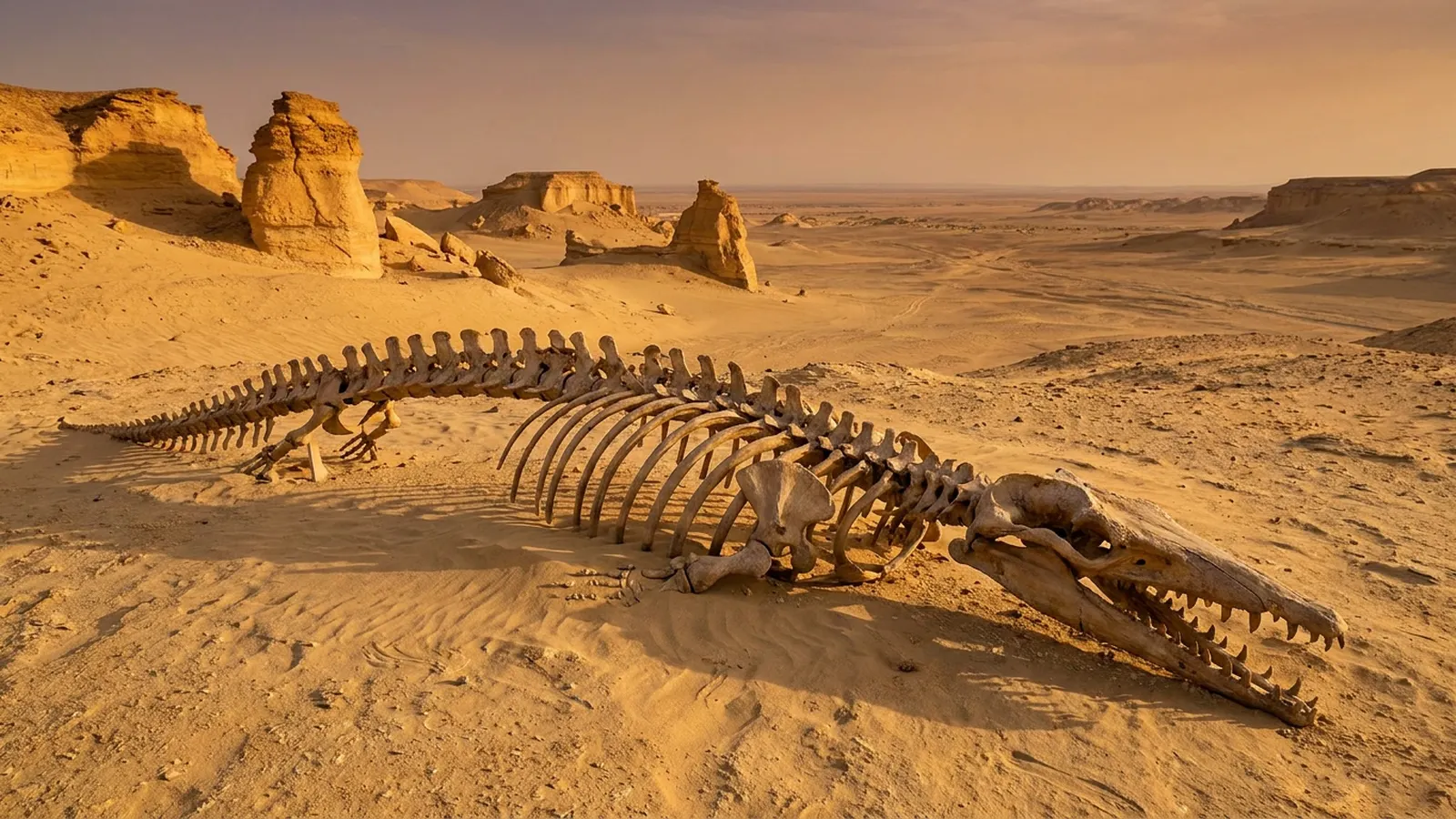
211 pages
Marine Mammals 41
Whales 35
Seals 17
Sea Lion 7
Manatee 58
Manatee View 15
Seals Q&A 11
Manatee Q&A 12
Manatee News 2
Sea Lion Q&A 8
Walrus Q&A 5
Open the Marine Mammals hub →
Show all 211 pagesShow fewer
Marine Mammals
- Marine Mammals: Types, Examples & Facts About Ocean Mammals
- Seals: Every Seal Species, Facts, Size & How Seals Differ From Sea Lions
- Sea Lion: All 6 Species, Size, Diet & How They Differ From Seals
- Sea Otter: Facts, Fur, Tool Use & Why It Is a Keystone Species
- Walrus: Facts, Tusks, Size, Diet & the Arctic Ice Problem
- Is a Blue Whale’s Heart as Big as a Car? Size, Weight and Heartbeat
- Do Gray Whales Have Two Blowholes? Why Baleen Whales Have a Pair
- Can Sea Otters Dive 330 Feet? How Deep Sea Otters Really Go
- Is a Blue Whale Call 188 Decibels? How Loud Blue Whales Really Are
- Do Marine Mammals Use 75% of Their Lung Capacity? Humans vs Whales
- Does a Colossal Squid Digest Food Through Its Brain? The Doughnut Brain Explained
- Marine Mammals of the Gulf of Mexico: 22 Species From Dolphins to Rice’s Whale
- Do Marine Mammals Drink Salt Water? How Whales and Seals Stay Hydrated
- Endangered Marine Mammals: The Most Threatened Species
- Fastest Marine Mammal: Dolphins, Orcas and Speedy Whales
- Smallest Marine Mammal: Marine Otter, Vaquita and More
- Blubber in Marine Mammals: What It Is and How It Works
- Marine Mammals With Tusks: Walrus, Narwhal and Dugong
- Marine Mammal Trainer: Job, Skills, Degree and Salary
- Are Polar Bears Marine Mammals? Yes, and Here Is Why
- Marine Mammals in California: Sea Lions, Otters, Whales
- Marine Mammals in Maine: Seals, Whales, Dolphins and Porpoises
- Marine Mammals in Florida: Manatees, Dolphins and Rare Whales
- Why Are Dugongs Endangered? Threats and Population
- Where Do Dugongs Live? Range From East Africa to Australia
- Why Aren’t Vaquitas Kept in Captivity? The VaquitaCPR Story
- Finless Porpoises: Indo-Pacific, Narrow-Ridged and Yangtze
- Spectacled Porpoise: The Rarely Seen Southern Ocean Porpoise
- Burmeister’s Porpoise: South America’s Dark Porpoise
- Dall’s Porpoise: The Fastest Porpoise (and Its Orca Look)
- What Do Porpoises Eat? Diet and Hunting of All 7 Species
- Harbor Porpoise vs Dolphin: Meet the Shy Coastal Porpoise
- Where Does a Porpoise Live? Habitat and Range by Species
- Is a Porpoise a Whale? Whales vs Dolphins vs Porpoises
- What Do Dugongs Eat? Seagrass Grazing and Feeding Trails
- Vaquita Facts: The World’s Rarest Marine Mammal
- Porpoise Species: All 7 Porpoises of the World
- Dugong Facts: The Ocean’s Only Plant-Eating Sea Cow
- Are Hippos Marine Mammals? The Whale’s Closest Living Relative Explained
- Why Was the Marine Mammal Protection Act Created? The 1972 Law Explained
- Do Marine Mammals Have Hair? Fur, Whiskers and the Whales That Lost It
Whales
- Whales: Types, Species Profiles and How They Live
- Baleen Whales (Mysticeti): How Filter-Feeding Giants Work
- Beluga Whale
- Blue Whale (Balaenoptera musculus): Size, Diet, Range and Recovery
- Bowhead Whale (Balaena mysticetus): The Arctic Whale That Lives 200 Years
- Gray Whale (Eschrichtius robustus): Bottom Feeder and Marathon Migrant
- Humpback Whale (Megaptera novaeangliae): Song, Migration and Bubble-Net Feeding
- Narwhal — Monodon monoceros
- Whale Shark vs Blue Whale: Size, Diet & Key Differences
- Why Are Whale Sharks Endangered? Threats, Decline & Protection
- Whale Shark Eyes: Armoured With Tiny Teeth and Retractable
- Why Are Whale Sharks Important? Ecology, Science & Economy
- Whale Sharks in the Philippines: Donsol, Oslob, Leyte & Palawan
- Whale Shark Teeth: How Many, How Big & What They Are For
- Largest Whale Shark Ever Recorded: 18.8 m and the Claims Beyond
- Whale Shark Anatomy: Mouth, Gills, Skin, Fins & Spots Explained
- Orca vs Great White Shark: Size, Speed, Senses and Brains Compared
- Whale Watching: 12 of the Best Places in the World
- Whale Watching in San Diego: Gray Whales in Winter, Blue Whales in Summer
- Whale Watching on Cape Cod: Provincetown, Stellwagen and Right Whales
- Whale Watching in Boston and Stellwagen Bank
- Whale Watching in Maui: Humpback Season, Rules and Where to Look
- Bryde’s Whale: The Tropical Rorqual and Its Gulf Cousin, Rice’s Whale
- Sei Whale: The Fast, Elusive Third-Largest Rorqual
- Minke Whale: The Smallest Rorqual and the Most Hunted
- Fin Whale: The Greyhound of the Sea
- Whale Shark — Rhincodon typus
- Sperm Whale
- Whale Shark Migration Map: Where and When Whale Sharks Travel
- Taroko Whale Shark: Whale Sharks off Hualien and Eastern Taiwan
- Do Whale Sharks Lay Eggs? How Whale Sharks Give Birth
- Whale Shark Skeleton: Cartilage, Vertebrae & How Age Is Read
- Right Whale (Eubalaena): Callosities, Copepods and a Fight Against Extinction
- Pilot Whale (Globicephala): Long-Finned and Short-Finned Pilot Whales
- Orca (Killer Whale): Size, Ecotypes, Hunting and Family Life
Seals
- Elephant Seal: Size, Diving Records, Diet & Facts About the Largest Seal
- Gray Seal (Grey Seal): Size, Diet, Habitat & Facts About the “Hook-Nosed Sea Pig”
- Harbor Seal: Facts, Size, Diet & Habitat of the Most Widespread Seal
- Leopard Seal: Size, Diet, Behavior & Facts About Antarctica’s Apex Seal
- Monk Seals: Hawaiian, Mediterranean & the Extinct Caribbean Monk Seal
- Harp Seal: Whitecoat Pups, Size, Diet, Migration & Population
- Ringed Seal: The Arctic Seal That Lives Under the Ice
- Atlantic Walrus (Odobenus rosmarus rosmarus): Range, Recovery and Threats
- Pacific Walrus (Odobenus rosmarus divergens): Ice, Migration and Survival
- Laptev Walrus: The Isolated Walruses of Siberia’s Laptev Sea
- Crabeater Seal: The World’s Most Numerous Seal Doesn’t Eat Crabs
- Bearded Seal: Whiskers, Underwater Songs & Life on Arctic Sea Ice
- Hooded Seal: Inflatable Nose, 4-Day Nursing & Deep Diving
- Caspian Seal: The Endangered Seal of the World’s Largest Lake
- Baikal Seal (Nerpa): The World’s Only Freshwater Seal Species
- Weddell Seal: The Southernmost Mammal That Lives Under Antarctic Ice
- Fur Seals: The 9 Species, Their Dense Fur & Why They Aren’t True Seals
Sea Lion
- Australian Sea Lion (Neophoca cinerea): Facts, Breeding & Status
- California Sea Lion (Zalophus californianus): Facts, Size & Population
- Galápagos Sea Lion (Zalophus wollebaeki): Facts & Threats
- Japanese Sea Lion (Zalophus japonicus): How It Went Extinct
- South American Sea Lion (Otaria flavescens): Facts, Mane & Range
- Steller Sea Lion (Eumetopias jubatus): Size, Range & Status
- New Zealand Sea Lion (Phocarctos hookeri): Facts & Status
Manatee
- Manatee: Species, Size, Diet, Habitat and Status of the Sea Cow
- Baby Manatee: Birth, Size, Nursing and Growing Up
- Amazonian Manatee (Trichechus inunguis): The Freshwater Sea Cow
- African Manatee (Trichechus senegalensis): West Africa’s Sea Cow
- Dwarf Manatee (Trichechus pygmaeus): Real Species or Young Amazonian Manatee?
- West Indian Manatee (Trichechus manatus): Florida & Antillean Sea Cows
- Steller’s Sea Cow (Hydrodamalis gigas): The Giant Sirenian Hunted to Extinction
- The Sea Otter Stealing Surfboards: The Story of Otter 841
- What Do Sea Otters Eat? Diet, Tools & Daily Food Intake
- Can Sea Otters Live in Fresh Water? Sea Otters vs River Otters
- Why Do Sea Otters Hunt Alone? Solo Foraging vs Social Rafts
- Do Sea Otters Mate for Life? The Truth About Otter Romance
- How Long Can a Sea Otter Stay Underwater? Dive Times & Depths
- How Are Sea Otters Affected by Oil Spills? Exxon Valdez & Beyond
- Can Sea Otters Go on Land? Hauling Out, Walking & Resting
- Manatee Brain: How Smart Are Manatees?
- Do Manatees Breathe Air? How Long They Stay Underwater
- Manatee Sounds: How Manatees Communicate
- Why Are Manatees Endangered? Status, Threats and Population
- Idle Speed Manatee Protection Zones: Florida Boating Rules
- Manatee Tracker: How Scientists Track Manatees
- Manatee Deaths in Florida: Causes and Yearly Mortality Counts
- What Is a Group of Manatees Called? Aggregations and Herds
- Manatee Evolution: From Land Mammals to Sea Cows
- Manatee Life Cycle: Birth, Calf, Adult and Old Age
- Anatomy of a Manatee: Tail, Face, Eyes and Whiskers
- Do Manatees Bite? Are Manatees Dangerous to Swimmers?
- How Fast Can a Manatee Swim? Cruising vs Burst Speed
- How Do Manatees Sleep? Resting on the Bottom and Surfacing to Breathe
- Manatees and Power Plants: Why Sea Cows Gather at Warm Outflows
- Snooty the Manatee: The World’s Oldest Known Manatee
- Sea Otter Population: Numbers by Region, Then and Now
- Sea Otter Teeth: Crushing Molars Built for Shellfish
- Sea Otter vs Seal vs Sea Lion: How to Tell Them Apart
- Sea Otters in Monterey Bay: Best Viewing Spots and the Southern Otter
- Sea Otters in Alaska: Where to See Them and How They Recovered
- How Fast Can Sea Otters Swim? Speed on the Surface and Underwater
- How Many Species of Otter Are There? All 13, Including the Sea Otter
- Life Cycle of a Sea Otter: Pups, Mothers and Adulthood
- Do Killer Whales Eat Sea Otters? The Aleutian Collapse
- Sea Otter Skeleton: Loose Skin, Flexible Spine and Webbed Feet
- Do Otters Have a Favorite Rock? Sea Otters and Tool Use
- Sea Otter Subspecies: Asian, Alaskan and Southern Sea Otters
- Can You Have a Sea Otter as a Pet? Laws and Why Not
- Do Sea Otters Hold Hands While They Sleep?
- What Is a Group of Otters Called? Raft, Romp and Bevy
- Do Otters Have Pockets? The Sea Otter’s Armpit Pouch
- Largest Otter Species: Giant Otter vs Sea Otter
- Sea Otter Adaptations: Fur, Paws, Lungs and Metabolism
- How Long Do Sea Otters Live? Lifespan in the Wild & Captivity
- Do Sea Otters Eat Sea Urchins? How They Eat Them & Why It Matters
- Why Are Sea Otters a Keystone Species? Kelp, Urchins & Seagrass
- What Happened to Sea Otters in the 1800s? The Great Fur Hunt
- What Eats Sea Otters? Sharks, Orcas, Eagles & Other Predators
- How Big Are Sea Otters? Length, Weight & Size Comparison
- Why Are Sea Otters Endangered? Threats, Status & Recovery
- Are Sea Otters Dangerous to Humans? Bites, Behavior & Safety
- Where Do Sea Otters Live? Range, Habitat & Population Map
Manatee View
- Manatees in West Palm Beach: Visiting FPL’s Manatee Lagoon
- Fort Lauderdale Manatees: Canals, Power Plant and Best Viewing
- Manatees in Puerto Rico: Where to See the Antillean Manatee
- Best Time to See Manatees in Florida: Month-by-Month Guide
- Weeki Wachee Manatees: Kayaking the Spring River in Winter
- Manatees Kayaking Guide: Where to Paddle in Florida and the Rules
- Blue Spring Manatee Count: Season Records and How It Works
- Clearwater Florida Manatees: Where to See Them Near Tampa Bay
- Manatee Viewing Center Apollo Beach: Tampa Bay’s Free Manatee Spot
- Manatees in Fort Pierce: The Manatee Observation and Education Center
- Crystal River Manatees: Swimming, Three Sisters Springs and the Rules
- Manatee Island Park, Daytona Beach: Manatees on the Halifax River
- Manatee Park Fort Myers: When and How to See Manatees
- Manatee Bay, Florida: The Upper Keys Bay & Where to See Manatees
- Manatee Springs State Park, Florida: Spring, Manatees and Cave Diving
Seals Q&A
- How Long Can Seals Hold Their Breath? From Minutes to 2 Hours
- Seal vs Sea Lion: 7 Ways to Tell Them Apart
- Why Are Leopard Seals Dangerous? Are They Mean or Just Curious?
- Do Seals Eat Penguins? Which Seals Do, and How They Hunt
- How Many Leopard Seals Are Left in the World? Population Estimates
- Do Leopard Seals Eat Sharks? The New Zealand Evidence
- Do Leopard Seals Have Predators? What Hunts Antarctica’s Apex Seal
- Leopard Seal Life Cycle: Mating, Pups, Growth and Lifespan
- Monk Seal Reproduction: Mating, Pregnancy, Pups and Weaning
- Hawaiian Monk Seal Lifespan: How Long Do Monk Seals Live?
- Can Seals Drink Sea Water? How Seals Stay Hydrated in the Ocean
Manatee Q&A
- Dugong vs Manatee: How to Tell Them Apart in 1 Look
- Manatee Skeleton: Dense Bones, Finger Bones & Elephant Cousins
- Manatee Lifespan: 65 Years (and Snooty Made It to 69)
- Manatee Skull: The 30° Downward Snout & Marching-Molar Jaw
- Sea Cow vs Manatee: The Nickname, and Steller’s Extinct Giant
- Manatee Mating: The 20-Male Herd & 14-Month Pregnancy
- What Do Manatees Eat? The Full Diet Guide (60+ Plants, 50 kg/day)
- Manatee Predators: Why Almost Nothing Eats a Sea Cow
- Christopher Columbus & the Manatee: The 1493 “Mermaid” Sighting
- Manatee Habitat: Warm Springs, Seagrass & Why 20°C Matters
- Manatee Teeth: The Marching Molars (and Why Elephants Share Them)
- What Is a Manatee? The Gentle Sea Cow Explained (Full Guide)
Manatee News
Sea Lion Q&A
- When Do Sea Lions Sleep? On Land, at Sea and With Half a Brain
- How Many Sea Lions Are There? Population by Species
- How Do Sea Lions Breathe? Lungs, Dives & Breath-Holding
- Do Sea Lions Have Fur? Sea Lion vs Fur Seal Coats Explained
- Do Sea Lions Bite? Bite Risk, Seal Finger & First Aid
- Are Sea Lions Dangerous? When and Why They Can Hurt People
- Why Do Sea Lions Attack Humans? 5 Triggers Behind Incidents
- Why Are Sea Lions Dying in California? Domoic Acid, Heat & Disease
Walrus Q&A
- Where Do Most Walruses Live? Walrus Range and Population Map
- Are There Walruses Without Tusks? Calves, Broken Tusks and Fossils
- Why Are Walrus Teeth So Big? Walrus Tusks and Dentition Explained
- Do Walruses Get Aggressive? Walrus Attacks, Boats and Safety
- Do Walruses Walk on Their Teeth? The “Tooth-Walker” Explained

07
109 pagesScuba
Show all 109 pagesShow fewer
Scuba Basics
- Scuba Diving: The Complete Guide to Learning, Gear, Costs and Safety
- Scuba Diving for Beginners: A Step-by-Step Plan From First Breath to First Trip
- Scuba Certification Cost in 2026: Every Level From Open Water to Instructor
- Scuba Diving Certification Levels: Every Rung From Scuba Diver to Instructor
- Cost of a Scuba Diving Course: What the Open Water Price Really Covers
- Advanced Scuba Certification: What You Learn and Is It Worth It?
- Master Scuba Diver Trainer (MSDT): Requirements and Is It Worth It?
- Scuba Refresher Course: When You Need One and What You’ll Do
- Snuba vs Scuba: Differences, Depth, Age and Which to Choose
- Scuba Tank Dimensions: Length and Diameter of Common Cylinders
- Scuba Suit Material: Neoprene, Linings and Dry Suit Shells Explained
- Scuba Spearfishing: Where It Is Legal, the Rules, Gear and Ethics
- Scuba Jokes: 30 Clean Dive Puns and One-Liners (and the Science Behind Them)
- Scuba Diving Tips: 20 Habits That Make Dives Safer, Longer and Easier
- Scuba Diving Quotes: Ocean Lines From Cousteau, Earle and Clarke (With Sources)
- How Much Does a Scuba Tank Weigh? Full, Empty and Underwater
- Night Scuba Diving: What You See, What You Need and How to Do It Safely
- How Much Is Scuba Gear? 2026 Prices for Every Piece of Kit
- What Is Scuba Fabric? The Fashion Knit Named After Wetsuits
- Scuba Weight Calculator: How Much Lead Do You Need?
- Scuba Diving Flag: Diver Down vs Alpha Flag Meaning and Rules
- Scuba Diver Clipart: Where to Find It Free, Licensing Rules and How to Spot Accurate Art
- Scuba Diving Jobs: 12 Careers Underwater and What They Really Pay
- Scuba Diving Terms: An A-to-Z Glossary of Dive Jargon
- Scuba Diving Hand Signals: The Complete Guide to Talking Underwater
- Scuba Diving Facts: 25 Records, Firsts and Physics Surprises
Scuba Q&A
- What Does SCUBA Stand For? Meaning and History of the Acronym
- How Old Do You Have to Be to Scuba Dive? Age Rules for Kids
- Do You Have to Be Certified to Scuba Dive? Rules and Options
- How Long Does Scuba Certification Last? (It Never Expires)
- Is Scuba Diving Hard? What Beginners Actually Struggle With
- How Deep Can You Dive With Scuba Gear? Limits by Certification
- Scuba Tank Pressure: PSI, Bar, Turn Pressure and Reserve
- Scuba Tank Sizes: AL80, Steel, Pony Bottles and Which to Use
Top Sites
- Scuba Diving Top Sites: 10 Destination Guides & the World’s Classic Dives
- Scuba Diving Bali: Liberty Wreck, Nusa Penida Mantas & Mola Mola
- Scuba Diving Cancun: MUSA Underwater Museum, Cenotes & Whale Sharks
- Scuba Diving in Costa Rica: Cocos Island, Bat Islands & Catalinas
- Scuba Diving Dubai: Wrecks, Deep Dive Dubai & the Fujairah Coast
- Scuba Diving Miami: Wrecks, Neptune Memorial Reef & Biscayne
- Scuba Diving in the Philippines: Tubbataha, Coron, Malapascua & More
- Scuba Diving Puerto Rico: The Wall, Desecheo, Mona & Culebra
- Scuba Diving the UK: Scapa Flow, the Farne Islands, Lundy & St Abbs
- Scuba Diving in Thailand: Similans, Richelieu Rock & Koh Tao
- Scuba Diving in San Diego: La Jolla, Wreck Alley & Kelp Forests
Equipment
- Scuba Diving Equipment: The Complete Gear List, Costs and Buying Order
- Scuba Diving BCD: Types, Fit, Prices and How to Choose One
- Scuba Diving Cameras: Action Cams, Compacts and Housings Compared
- Scuba Diving Computer: How It Works, Types and 2026 Prices
- Scuba Diving Ear Plugs: Why Normal Plugs Are Dangerous and What to Use
- Scuba Diving Fins: Open Heel vs Full Foot, Blade Types and Prices
- Scuba Diving Flashlight: Lumens, Types and What a Dive Light Costs
- Scuba Diving Gloves: Thickness, When to Wear Them and Where They’re Banned
- Scuba Diving Weights: Belts vs Integrated, How Much Lead and Cost
- Scuba Diving Watches: ISO 6425, Water Resistance and Prices
- Scuba Diving Tanks: Aluminum vs Steel, Sizes, Testing and Prices
- Scuba Diving Suit: Wetsuit vs Drysuit, Thickness by Temperature and Prices
- Scuba Diving Shoes: Booties vs Hard-Sole Boots and What to Pay
- Scuba Diving Regulator: How It Works, DIN vs Yoke and What to Pay
- Scuba Diving Mask: Fit Test, Lens Types and What to Pay
- Scuba Diving Knife: Knife vs Line Cutter, Steel vs Titanium and Prices
- Scuba Diving Helmet: Who Uses Diving Helmets and What They Cost
- Scuba Diving Goggles: Why You Need a Mask, Not Goggles
Dangers
- Scuba Diving Dangers: The Real Risks and How Divers Manage Them
- Scuba Diving and Flying: How Long to Wait Before You Board
- Scuba Diving and the Bends: Causes, Symptoms, Treatment and Prevention
- Scuba Diving While Pregnant: Why Experts Say Wait
- Scuba Diving With a Cold: Why Congestion and Diving Don’t Mix
- Scuba Diving With Asthma: Who Can Dive and the Rules That Keep You Safe
- Florida Beach Safety: Rip Currents, Flags, Storms and Water Hazards
- Jellyfish in Florida: Which Ones Wash Up, Which Ones Sting and What to Do
- Sea Lice in Florida: What Causes Seabather’s Eruption, When It Peaks and How to Treat It
- Lightning on the Beach: Why Florida Leads the Nation in Lightning Deaths
- Vibrio Vulnificus in Florida: The “Flesh-Eating” Bacteria, Cases and Prevention
- Hurricane Season in Florida: Dates, Peak, Categories and the Coastal Risk
- Storm Surge: Why It Is the Deadliest Part of a Hurricane, and What Ian Showed
- Florida Beach Warning Flags: What Green, Yellow, Red, Double Red and Purple Mean
- Rip Currents in Florida: How They Form, How to Spot One and How to Escape
Snorkeling
- Best Snorkeling in the World: A Diver’s Guide to Where (and How) to Snorkel
- Snorkeling: What It Is, How It Works and Where to Start
- Top 10 Snorkeling Spots: A Diver’s Ranked List
- Snorkeling vs Scuba Diving: Depth, Cost, Training and Safety Compared
- Snorkeling for Beginners: 12 Tips From a Diver for Your First Reef
- Silver Bank: Snorkeling With Humpback Whales in the Dominican Republic
- Best Snorkeling in Belize: Hol Chan, Shark Ray Alley and the Barrier Reef Cayes
- Best Snorkeling in Cancun: MUSA, Isla Mujeres, Puerto Morelos and Day Trips
- Best Snorkeling in Mexico: Caribbean Reefs, Cenotes and the Sea of Cortez
- Best Snorkeling in Cozumel: Shore Reefs, Drift Snorkels and Park Rules
- Best Snorkeling in Turks and Caicos: Bight Reef, Smith’s Reef and Grand Turk
- Best Snorkeling in the Bahamas: Exumas, Thunderball Grotto, Andros and Bimini
- Best Snorkeling in Aruba: Boca Catalina, Mangel Halto, Baby Beach and the Antilla Wreck
- Best Snorkeling in St. Thomas: Coki, Secret Harbour, Brewers Bay and a St. John Day Trip
- Best Snorkeling in Puerto Rico: Culebra, Rincon, Vieques and San Juan
- Best Snorkeling in the Caribbean: 10 Islands Ranked by a Diver
- Best Snorkeling in Key West: Reef Trips, Fort Zach and the Dry Tortugas
- Best Snorkeling in Hawaii: Island-by-Island Guide for Every Season
- Best Snorkeling in Kauai: Tunnels, Ke’e, Anini and Poipu by Season
- Best Snorkeling on the Big Island: Kealakekua, Two Step, Kahaluu and the Manta Night Snorkel
- Snorkeling in Southwest Florida: Naples, Marco Island, Sanibel and Venice Honestly Rated
- Snorkeling With Manatees in Crystal River: Season, Rules, Tours and Tips
- Blue Heron Bridge Snorkeling: Tides, Seahorses and the Phil Foster Snorkel Trail
- John Pennekamp Snorkeling: Tours, Christ of the Deep and Honest Tips
- Best Snorkeling in Florida: 10 Spots From the Keys to the Panhandle
- Best Snorkeling in the Florida Keys: Reef by Reef From Key Largo to the Dry Tortugas
- Best Snorkeling in Oahu: Hanauma Bay and 7 Free Alternatives
- Best Snorkeling in Maui (Beyond Molokini): 8 Shore Spots and When to Go
- Full Face Snorkel Masks: Are They Safe? What the Research and Safety Warnings Say
- Snorkel Gear: What a Diver Actually Uses (and What to Skip)
- Hanauma Bay: Reservations, Fees, Fish and Honest Snorkel Tips

08
56 pagesDolphins
Dolphin Species A–H 18
Dolphin Species I–Y 8
Dolphins Q&A — Biology 22
Dolphins Q&A — Behavior & Locations 8
Open the Dolphins hub →
Show all 56 pagesShow fewer
Dolphin Species A–H
- Dolphins: Every Species, River and Ocean
- Amazon River Dolphin (Boto): Pink River Dolphin Facts
- Atlantic Spotted Dolphin — Stenella frontalis
- Australian Snubfin Dolphin: Australia’s Newest Dolphin
- Bolivian River Dolphin: The Boto Above the Madeira Rapids
- Burrunan Dolphin: Victoria’s Own Bottlenose
- Chilean Dolphin: The Shy Black Dolphin of Chile
- Common Bottlenose Dolphin: Facts, Size, Intelligence & Habitat
- Guiana Dolphin: The Coastal Cousin of the Tucuxi
- Rough-Toothed Dolphin: The Reptile-Faced Dolphin
- Dusky Dolphin: The Acrobat of the Southern Hemisphere
- Hector’s Dolphin: New Zealand’s Tiny Round-Finned Dolphin
- South Asian River Dolphin: Ganges Susu and Indus Bhulan
- Short-Beaked Common Dolphin: The Hourglass Dolphin of the Open Sea
- Yangtze River Dolphin (Baiji): How a Species Was Lost
- Spinner Dolphin: Why It Spins and Where to See It
- Risso’s Dolphin: The Scarred Squid Hunter
- Pygmy Killer Whale: The Little-Known Tropical Blackfish
Dolphin Species I–Y
- Indo-Pacific Humpback Dolphin: The Pink Dolphin of Hong Kong
- Indus River Dolphin (Bhulan): Pakistan’s Blind Dolphin
- Irrawaddy Dolphin: Endangered Species Facts, Range & Conservation
- La Plata Dolphin (Franciscana): The River Dolphin of the Sea
- Oceanic Dolphins (Delphinidae): The Largest Family of Whales and Dolphins
- Orinoco River Dolphin: The Northern Pink Boto
- Pantropical Spotted Dolphin: The Dolphin Behind “Dolphin-Safe”
- Peale’s Dolphin: The Kelp-Forest Dolphin of Patagonia
Dolphins Q&A — Biology
- Do Dolphins Sleep With One Eye Open? Half-Brain Sleep Explained
- How Long Can Dolphins Hold Their Breath? Times by Species
- How Long Do Dolphins Live? Lifespan by Species, Wild and Captive
- What Do Dolphins Eat? Diet, Daily Intake and Hunting Tricks
- Do Dolphins Eat Jellyfish? Play, Not Prey
- Do Dolphins Drink Water? How Dolphins Stay Hydrated in the Sea
- Do Dolphins Have Ears? How Dolphins Hear Through Their Jaw
- Dolphin Anatomy: Body Parts, Organs and Senses Explained
- How Do Dolphins Mate? Courtship, Alliances and Reproduction
- Dolphin Fin vs Shark Fin: How to Tell Them Apart From the Beach
- Why Do Dolphins Jump? Six Reasons Dolphins Leap Out of the Water
- Do Dolphins Mate for Life? Dolphin Relationships Explained
- Skeleton of a Dolphin: Skull, Spine, Flippers and Hidden Hip Bones
- How Long Are Dolphins Pregnant? Gestation, Birth and Calf Care
- Dolphin Bones: Structure, Ear Bones, Teeth and Finding Them on the Beach
- Dolphins in Destin, Florida: Where to See Them and How to Do It Right
- Fossilized Dolphin Teeth: How to Identify Them and Where to Find Them
- Lake Erie Silver Dolphins: The Ohio Swim Club, and Are There Dolphins in Lake Erie?
- How Do Dolphins Swim? Flukes, Speed and the Physics of a Perfect Swimmer
- Where Are Dolphins Found in India? Rivers, Lakes and Coasts
- Dolphins in Marco Island, Florida: Where to See Them in the Ten Thousand Islands
- What Is the Difference Between a Dolphin and a Porpoise?
Dolphins Q&A — Behavior & Locations
- Will Dolphins Attack You? Aggression, Real Cases and Staying Safe
- Will Dolphins Bite Humans? Why Wild Dolphins Bite and How to Avoid It
- Will Dolphins Kill Sharks? What the Research Actually Shows
- Are Dolphins Evil? The Dark Side of Dolphins, Explained
- Why Do Dolphins Eat Ice? Hydration, Enrichment and Treats
- Which Dolphins Are Endangered? The IUCN List and Why They Are Declining
- How Many Dolphins Are Left in the World? Population Estimates by Species
- Dolphins in the Gulf of Mexico: Species, Where to See Them and Threats

09
24 pagesWhales
Show all 24 pagesShow fewer
Whales Q&A
- How Do Whales Sleep? Half-Brain Naps and Vertical Drifting
- Where Do Killer Whales Live? Every Ocean, From Pack Ice to Tropics
- Why Is It Called a Sperm Whale? The Spermaceti Mistake Explained
- How Much Does a Blue Whale Weigh? Average, Record and How We Know
- Are Killer Whales Dolphins? (Yes: The Largest One)
- What Do Killer Whales Eat? Ecotypes and Their Menus
- Ambergris (Whale Vomit): Why Sperm Whale ‘Floating Gold’ Sells for Thousands
- What Eats Orcas? The Apex Predator With No Natural Predators
- What Is a Narwhal Tusk Used For? Display, Sensing and Hunting
- Do Humpback Whales Travel in Pods? How They Actually Group
- What Do Barnacles Do for Whales? Hitchhikers, Not Helpers
- Megalodon vs Blue Whale: Is Megalodon Bigger? Size Comparison
- Are There Whales in the Atlantic Ocean? Species and Where to See Them
- Why Do Right Whales Have Callosities? What They Are and Do
- Which Whale Lives the Longest? The 200-Year Bowhead
- Where Are Baleen Whales Found? Range of All 16 Species
- What Attacks Killer Whales? Orca Predators and Threats
- How Many Blue Whales Are Left in the World? 10,000–25,000
- How Long Can a Pilot Whale Hold Its Breath? About 15–20 Minutes
- Do Sperm Whales Eat Sharks? What Sperm Whales Really Eat
- Do Gray Whales Have Baleen? Yes — Short, Stiff and Built for Mud
- Are Whale Sharks Friendly to Humans? Safe, Docile Giants
- Are Beluga Whales Dolphins or Whales? The Family Tree Explained
- Whale Lice: The Tiny Crustaceans That Live on Whales

43 pages
Anemones & Polyp Pests 6
Coral-Eating Pests 11
Worms 8
Crustaceans & Hitchhikers 5
Algae Pests 7
Microbial Blooms 6
Open the Reef Pests hub →
Show all 43 pagesShow fewer
Anemones & Polyp Pests
- Aiptasia: Identification, Biological Controls, and How to Eliminate Them
- Aiptasia Eating Filefish: Bristletail Filefish as Pest Anemone Control
- Aiptasia Eating Nudibranch: Berghia stephanieae — The Reef-Safe Solution
- Majano Anemone: Identification, Removal, and Reef Tank Impact
- Hydroids in the Reef Tank: Identification, Risk, and Removal
- Reef Tank Pests: The Complete Hub and Index
Coral-Eating Pests
- Coral Eating Nudibranch: Identification, Removal, and Prevention
- Montipora Eating Nudibranch: Phestilla subodiosa Identification & Removal
- Zoa Eating Nudibranch: The Hidden Zoanthid Pest and How to Remove It
- Acro Eating Flatworms (AEFW): Identification, Removal, and Prevention
- Euphyllia Eating Flatworm: The Torch and Hammer Coral Pest
- Zoanthid Eating Spiders: Pycnogonid Sea Spiders on Zoas
- Heliacus Areola: The Sundial Snail Zoanthid Pest
- Asterina Starfish: Pest or Harmless Hitchhiker?
- Peanut Worm in Reef Tank: Sipuncula Identification and Role
- Reef Tank Tube Worms: Feather Dusters and Filter Feeders
- Spaghetti Worm in Reef Tank: Tank-Keeper’s Practical Guide
Worms
- Flat Worms: Species Overview, Biology, and Reef Tank Identification
- Flatworms In Reef Tank: Practical Management Guide
- Bristleworms: Biology, Species, and Their Role in Reef Ecosystems
- Bristle Worms In Reef Tank: Friend or Foe?
- Bristle Worm vs Fireworm: How to Tell Them Apart
- Bearded Fireworm — Reef Bristleworm With Neurotoxin-Tipped Hairs
- What Eats Bristle Worms: Natural Predators for Reef Tanks
- Spaghetti Worm: Terebellidae Species Profile and Reef Biology
Crustaceans & Hitchhikers
Algae Pests
- Derbesia: Green Hair Algae Species Profile and Biology
- Valonia: Bubble Algae Identification and Safe Removal
- Green Hair Algae in Reef Tanks: Practical Management Guide
- Brown Hair Algae in Reef Tanks: What It Is and How to Treat It
- How to Get Rid of Hair Algae: Step-by-Step Eradication Plan
- What Eats Hair Algae: Reef Tank Grazer Guide
- Macroalgae in Reef Tanks: Beneficial Algae for Nutrient Export
Microbial Blooms
- Cyanobacteria in Reef Tanks: The Red Slime Problem
- Diatoms in Reef Tanks: What They Are and Why They Bloom
- How to Get Rid of Diatoms: Step-by-Step Treatment Plan
- Dinoflagellates in Reef Tanks: Biology, Species, and Toxins
- Dinos in Reef Tanks: Practical Eradication Protocol
- Chrysophytes in Reef Tanks: The Golden Algae Problem

183 pages
Reef Fish Hub 56
Eels 38
Bottom Dwellers 18
Reds 31
Parrot 9
Groupers 4
Seahorses 12
Eel Q&A 12
Gobies 3
Open the Reef Fish hub →
Show all 183 pagesShow fewer
Reef Fish Hub
- Coral Reef Fish
- Sport & Game Fish of Florida and the Gulf: The Complete Field Guide
- Silvery Reef Fish: Jacks, Barracudas, Spadefish and Schooling Fish
- Small Oval Reef Fish: Damselfish, Chromis and Anemonefish
- Seahorses and Pipefish: The Fish Family Where Males Give Birth
- Red Reef Fish: Squirrelfish, Soldierfish, Bigeyes and Cardinalfish
- Reef Rays: Stingrays, Eagle Rays and Mantas of the Coral Reef
- Parrotfishes: The Beaked Reef Grazers That Make Sand
- Humuhumunukunukuapua’a: Hawaii’s State Fish, the Reef Triggerfish
- Picasso Triggerfish: The Abstract-Art Fish of Indo-Pacific Lagoons
- French Angelfish: Lifelong Pairs on Caribbean Reefs
- Grunt Fish: Why Caribbean Grunts Grunt, School and Kiss
- Sergeant Major Fish: Five Bars and a Nest-Guarding Father
- Queen Angelfish: The Crowned Jewel of Caribbean Reefs
- Cleaner Wrasse: The Reef’s Barbershop and the Fish That Passed the Mirror Test
- Porcupine Fish vs Pufferfish: Spines, Beaks and Toxin Compared
- Moorish Idol: Why the Reef’s Most Elegant Fish Struggles in Captivity
- Yellow Tang: Hawaii’s Aquarium Icon
- Mandarin Fish: The Reef’s Most Colourful Dragonet
- Blue Tang: The Real ‘Dory’ and Why Not to Buy One
- Hogfish: Florida’s Spearfishing Prize and the Pig-Snouted Wrasse
- Cowfish: The Horned Boxfish That Can Poison Its Own Tank
- Striped Marlin: The Pacific’s Acrobatic Marlin
- Fastest Fish in the Ocean: Sailfish, Marlin and the Truth
- Largest Tuna Ever Caught: The 1,496-Lb Nova Scotia Bluefin
- Tuna Species: All 15 True Tunas Compared
- Swordfish vs Marlin: How to Tell Them Apart
- Tripletail: The Fish That Plays Dead Under Buoys
- Permit Fish: The Hardest Fish on the Flats to Fool
- King Mackerel: Kingfish Size, Runs and Identification
- Black Marlin: Rigid Fins and the Heaviest Billfish Record
- Mangrove Snapper: The Wary Gray Snapper of Florida
- Spanish Mackerel: The Spotted Speedster of Florida Beaches
- Cobia: The Shark-Shaped Fish That Shadows Rays
- Florida Pompano: The Surf-Zone Jack of the Gulf Beaches
- Blue Marlin: Size, Record and Biology of the Atlantic Giant
- Greater Amberjack: The Reef Donkey of the Gulf
- Snook: Southwest Florida’s Mangrove Ambusher
- Wahoo Fish: Razor Teeth, Tiger Stripes and Blistering Speed
- Yellowfin Tuna: Size, Speed and the Gulf’s Rig Fishery
- Sailfish: The Fastest Fish in the Ocean?
- Bluefin Tuna: The Warm-Blooded Ocean Torpedo
- Sheepshead Fish: The Fish With Human-Like Teeth
- Tarpon: The Silver King of Boca Grande
- Goliath Grouper: Florida’s 800-Lb Reef Giant
- Redfish (Red Drum): The Tail Spot Explained
- Red Snapper: Gulf Biology, Season and Lookalikes
- Bonefish: The Gray Ghost of the Flats
- Swordfish: Heated Eyes, Deep Dives and a 1,182-Lb Record
- Mahi Mahi (Dolphinfish): The Fastest-Growing Fish in the Sea
- Marlin: Blue, Black and Striped Marlin Compared
- Bottom-Dwelling Reef Fish: Stonefish, Frogfish, Lionfish and Other Ambushers
- Butterflyfish: Species, Diet, Pairs and Reef Health
- Gobies and Blennies: The Reef’s Smallest, Most Numerous Fish
- Groupers and Snappers: The Reef’s Big-Mouthed Predators
- Odd-Shaped Reef Fish: Triggerfish, Pufferfish, Boxfish and Trumpetfish
Eels
- Conger Eel (Congridae): Size, Habitat, Diet & Life Cycle
- Garden Eels (Heterocongrinae): How They Live in Sand Colonies
- Moray Eel (Muraenidae): Facts, Species, Second Jaws & Bites
- Starry Moray (Snowflake Moray, Echidna nebulosa): Facts & Care
- Fangtooth Moray Eel (Enchelycore anatina): Facts & Range
- Giant Mottled Eel (Anguilla marmorata): The Marbled Freshwater Giant
- Hawaiian Conger Eel (Conger marginatus): The Mustache Conger
- Banded Snake Eel (Myrichthys colubrinus): The Sea Krait Mimic
- Reef Eels: Morays, Garden Eels, Snake Eels and Congers
- Moray Eel vs Electric Eel: Two Very Different “Eels”
- Freshwater Eels: Types, Where They Live and Florida Species
- Lamprey Eels: The Jawless Fish That Aren’t Eels
- American Eel: Life Cycle, Range and Are They Dangerous?
- Is Eel a Shellfish? Eel, Allergies and Seafood Labels
- Do Eels Have Teeth? Fangs, Crushers and Second Jaws
- How Long Do Eels Live? Lifespans From Morays to 85-Year Eels
- Sina and the Eel: The Polynesian Legend of the First Coconut
- Can You Eat Eel? Raw Eel, Moray Eel and Safety
- Wolf Eel: The Pacific Wolffish That Isn’t an Eel
- Eel Anatomy: Gills, Fins, Slime and Organs Explained
- How Big Do Moray Eels Get? The Biggest Moray Species
- The Largest Eel Ever Caught: Record Congers, Morays and Giants
- Rice Field Eel: The Invasive Swamp Eel in Florida
- What Do Eels Eat? Diets of Morays, Congers and Freshwater Eels
- How Do Eels Reproduce? Spawning in the Sargasso Sea
- What Color Are Eels? From Silver to Electric Blue
- Do Eels Bite? Moray Bite Wounds, Risks and First Aid
- Eel Facts: 20 Surprising Things About Eels
- Eel Life Cycle: Leptocephalus, Glass Eel, Elver and Silver Eel
- Spotted Snake Eel (Ophichthus ophis): Atlantic Ambush Eel
- Blue Ribbon Eel (Rhinomuraena quaesita): Color & Sex Change
- Snake Eels in Hawaii: Magnificent, Crocodile & Freckled Snake Eels
- Dragon Moray Eel (Enchelycore pardalis): Facts, Range & Care
- Yellow Moray Eel (Gymnothorax prasinus) & Other Yellow Morays
- Spotted Moray Eel (Gymnothorax moringa): Caribbean Facts
- Spotted Eel: Which Spotted Eel Did You See? (ID Guide)
- Honeycomb Moray Eel (Gymnothorax favagineus): Size & Facts
- Zebra Moray Eel (Gymnomuraena zebra): Facts, Diet & Care
Bottom Dwellers
- Stonefish Synanceia
- Stargazer Fish (Uranoscopidae): Venom, Electric Shocks & Ambush
- Scorpionfish (Scorpaenidae): Venom, Camouflage & Sting First Aid
- Lionfish (Pterois): Venom, Atlantic Invasion & Why We Eat Them
- Jawfish (Opistognathidae): Burrow Builders & Mouthbrooding Dads
- Hawkfish (Cirrhitidae): Perching Reef Predators, Species & Care
- Frogfish (Antennariidae): Anglerfish That Walk, Lure & Gulp
- Flying Gurnard (Dactylopterus volitans): Wings, Walking & Facts
- Trumpetfish (Aulostomus maculatus): The Reef’s Vertical Ambush Hunter
- Goatfish (Mullidae): Reef Fish That Taste the Sand With Their Beards
- Boxfish (Ostraciidae): Armoured, Toxic and Surprisingly Agile
- Pufferfish (Tetraodontidae): How Puffers Inflate and Why They’re Toxic
- Porcupinefish (Diodontidae): The Spiny Balloonfish of the Reef
- Remora (Echeneidae): The Suckerfish That Hitchhikes on Sharks
- Filefish (Monacanthidae): Sandpaper-Skinned Masters of Disguise
- Triggerfish (Balistidae): Locking Spines, Nest Guards and Diver Biters
- Dragonets (Callionymidae): Mandarinfish & Sand-Dwelling Dragonets
- Flounder (Pseudopleuronectes): Winter Flounder Facts & Flatfish Biology
Reds
- Bigeyes (Priacanthidae): Red Night Fish With Reflective Eyes
- Squirrelfish (Holocentridae): Big-Eyed Red Fish of the Night Reef
- Banggai Cardinalfish (Pterapogon kauderni): Endangered Mouthbrooder
- Stingrays (Myliobatoidei): Species, Venom, Size and Safety
- Giant Manta Ray (Mobula birostris, formerly Manta birostris): Facts
- Eagle Rays (Myliobatidae): Spotted Eagle Ray Facts and Species
- Atlantic Spadefish (Chaetodipterus faber): Wreck Schools and Leaf-Mimic Babies
- Barracudas (Sphyraena): The 29 Species, Their Evolution and How to Tell Them Apart
- Black Jack (Caranx lugubris): The Dark Trevally of Offshore Reefs
- Are Stingrays Dangerous? Real Risks, Real Numbers, First Aid
- Do Stingrays Have Bones? No, Their Skeleton Is Cartilage
- Yellow Stingray: The Color-Changing Ray of the Florida Keys
- Round Stingray: The Small Ray Behind Most California Stings
- Skate vs Stingray: 7 Ways to Tell Them Apart
- Torpedo Ray: The 220-Volt Atlantic Torpedo, Up Close
- Smalltooth Sawfish: Florida’s Endangered Sawfish and Its Comeback
- Types of Stingrays: Every Stingray Family Explained
- Shovelnose Guitarfish: California’s Shark-Shaped Ray
- The Steve Irwin Stingray Accident: What Really Happened
- Freshwater Stingrays: South America’s River Rays and Their Asian Giants
- Southern Stingray: The Caribbean and Florida Sand-Flat Specialist
- Giant Freshwater Stingray: The Mekong’s 300 kg Record Fish
- Electric Ray: How Torpedo Rays Stun Prey With up to 220 Volts
- Mermaid’s Purse: The Skate Egg Case on Your Beach
- Stingray City, Grand Cayman: A Diver’s Honest Guide
- Spotted Eagle Ray: Diving With the Reef’s Flying Bird
- Stingray Barb: How a Sting Works and How to Treat It
- Guitarfish: Half Shark, Half Ray, and in Deep Trouble
- Cownose Ray: Migrating Schools of the Atlantic and Gulf Coast
- Sawfish: The Endangered Ray With a Chainsaw Face
- Skate Fish: The Stingray’s Stingless, Egg-Laying Cousin
Parrot
- Razorfish (Aeoliscus strigatus): The Head-Down Shrimpfish
- Wrasse (Labridae): The Reef’s Most Diverse Fish Family
- Parrotfish (Scaridae): Classification, Genera and Feeding Types
- Anemonefish (Amphiprioninae): Clownfish Species, Hosts and Life Cycle
- Chromis Fish: Green, Blue and Deep-Reef Chromis Damselfish Facts
- Damselfish (Pomacentridae): Family Facts, Species and Behavior
- Rabbitfish (Siganus): Venomous Spinefoots, Foxfaces and Mediterranean Invaders
- Surgeonfish: Tangs, Unicornfish and the Scalpel on the Tail
- Angelfish (Pterophyllum): The Freshwater Angelfish of the Amazon, and How It Differs From Marine Angelfish
Groupers
Seahorses
- How Long Do Seahorses Live? Lifespan in the Wild and in Aquariums
- Lined Seahorse: Florida’s Native Seahorse, Hippocampus erectus
- Types of Seahorses: All 46 Species, From Giants to Pygmies
- Are Seahorses Fish? Yes, and Here Is the Evidence
- Weedy Sea Dragon: The Common Seadragon of Australia’s Kelp Reefs
- What Do Seahorses Eat? Diet, Hunting and the Fastest Strike in the Sea
- Do Male Seahorses Give Birth? How Seahorse Pregnancy Works
- Leafy Sea Dragon: Australia’s Living Seaweed
- Sea Dragons: Leafy, Weedy and Ruby Seadragons of Southern Australia
- Seahorse: Biology, Male Pregnancy, Species and Conservation of Hippocampus
- Pipefish (Syngnathinae): Anatomy, Male Pregnancy, Species and Threats
- Pygmy Seahorse (Hippocampus bargibanti): The Seahorse That Lives on a Sea Fan
Eel Q&A
- Moray Eel Skeleton: A Finless, Flexible Body Built for Crevices
- Are Eels Related to Snakes? Convergent Evolution Explained
- Is an Eel a Reptile? No, and Here’s How to Tell
- Moray Eel Species: 14 Notable Morays With Sizes, Depths and Ranges
- Eel Bones: Are Eels Bony to Eat, and What Their Bones Reveal
- Garden Eels Out of the Sand: Do They Ever Leave Their Burrows?
- Do Eels Have Scales? The Slippery Truth About Eel Skin
- Types of Moray Eels: How the 200+ Species Are Grouped
- Full-Grown Fire Eel: How Big Mastacembelus erythrotaenia Gets and How to House One
- Moray Eel Skull: Two Sets of Jaws, Fang-Like Teeth and Crushing Plates
- Eel Skeleton: How an Eel’s Bones Are Built for a Snake-Like Body
- What Is a Group of Eels Called? Swarm, Bed and Other Names

767 pages
Deep Sea Predators 58
Gelatinous & Bioluminescent 74
Crustaceans, Worms & Inverts 28
Squid, Fish & Oddities 97
Sponge Q&A 26
Sponges 25
Octopus Q&A 63
Jellyfish Q&A 26
Octopus Dumbo Q&A 26
Squid Q&A 60
Crustaceans Q&A 40
Octopus California Q&A 2
Octopus Pacific Q&A 20
Octopus Mimic Q&A 9
Octopus Flapjack Q&A 3
Octopus Common Q&A 4
Octopus Caribbean Q&A 1
Nautilus 10
Octopus Blue Ring Q&A 27
Nautilus Q&A 14
Octopus Blanket Q&A 16
Cephalopods Q&A 10
Cuttlefish Q&A 21
Cuttlefish 13
Platyhelminthes 20
Platyhelminthes Q&A 20
Annelids Q&A 20
Annelids 10
Crustaceans 2
Arthropods 2
Bivalves 7
Gastropods 12
Mollusks 1
Open the Bizarre Creatures hub →
Show all 767 pagesShow fewer
Deep Sea Predators
- Fangtooth Fish — Largest Teeth of Any Fish in the Ocean
- Deep Sea Anglerfish — Bioluminescent Lure & Parasitic Males Fused for Life
- Gulper Eel: The Deep-Sea Fish With a Mouth Bigger Than Its Body
- Black Swallower: The Fish That Eats Prey Ten Times Its Size
- Frilled Shark — The Living Fossil With 300 Trident Teeth
- Goblin Shark — The Slingshot-Jaw Predator of 125 Million Years
- Viperfish — Needle Fangs Too Long to Fit in Its Own Mouth
- Mariana Snailfish — The Deepest Fish on Earth at 8,178 Metres
- Bizarre Sea Creatures — 53 of the Strangest Animals in the Ocean
- What Were Electric Eels Called Before Electricity?
- How Do Electric Eels Reproduce? Foam Nests and Guarding Fathers
- What Do Electric Eels Eat? Hunting With Shocks
- The Scariest Sea Creatures: Fangs, Parasites and Giants
- The Ugliest Fish in the World: 15 Ugly Fish Explained
- Sea Sapphire: The Shimmering Copepod That Can Vanish
- Psychedelic Frogfish: The Bouncing, Swirl-Striped Fish of Ambon
- Sea Toad: The Deep-Sea Anglerfish That Walks and Holds Its Breath
- Venus Flower Basket: The Glass Sponge That Traps Shrimp for Life
- Feather Stars: The Crinoids That Swim
- Unicornfish: What the Horn Is For
- Sea Butterfly: The Swimming Snail Dissolving in Acidifying Seas
- Blue Glaucus (Blue Dragon): Beautiful, Tiny and Venomous
- Leaf Sheep: The “Solar-Powered” Sea Slug
- Electric Eel: Not an Eel, and 860 Volts
- Sea Bunny: The Fluffy Sea Slug Explained
- Flying Fish: How They Glide 400 Metres Above the Sea
- Horseshoe Crab: The 445-Million-Year-Old Blue-Blooded Survivor
- Blobfish: The “Ugliest Fish” Is Really a Decompression Victim
- Squid, Fish & Oddities — The Animals That Break the Rules of Their Own Group
- Crustaceans, Worms & Invertebrates — The Animals That Run the Ocean Floor
- Gelatinous & Bioluminescent — The Drifters That Make Their Own Light
- Deep Sea Predators — The Hunters of the Permanent Dark
- Munnopsid Isopod: The Deep-Sea Crustacean That Walks and Swims
- Giant Siphonophore: The Longest Animal on Earth
- Giant Oarfish: The Sea Serpent That Actually Exists
- Barnacles: Everything You Want to Know About These Mysterious Crustaceans
- Wolffish
- Whitemargin Stargazer — Buries Itself in Sand and Delivers 50-Volt Shocks
- Triplewart Seadevil — Anglerfish With Parasitic Males and Glowing Lure
- Terrible Claw Lobster — 3 cm Lobster With a Serrated Oversized Claw
- Tasselled Wobbegong — The Most Camouflaged Shark in the Ocean
- Stygiomedusa Gigantea — The Phantom Jellyfish With 10-Metre Ribbon Arms
- Squidworm — The Ten-Tentacled Worm of the Celebes Sea
- Spook Fish — Transparent Head, Rotating Barrel Eyes, Hunts by Silhouette
- Sea Pens
- Sea Fleas — Planktonic Crustaceans That Sustain Ocean Food Webs Worldwide
- Red-Lipped Batfish — Galapagos Fish That Walks on Fins and Wears Red Lipstick
- Red Handfish — Tasmanian Fish That Walks on Hand-Like Fins, Fewer Than 100 Left
- Pink See-Through Fantasia — Transparent Sea Cucumber With Visible Organs
- Pacific Hagfish — 300 Million Years Old, Produces a Litre of Slime in Seconds
- Ostracods — Seed Shrimp That Survive Being Swallowed Whole
- Hooded Nudibranch — The Sea Slug That Hunts With a 4-Second Trap
- Hair Jelly — Lion’s Mane Jellyfish With Tentacles 37 Metres Long
- Golden Lace Nudibranch — Hawaii’s Golden Sea Slug With Web-Like Patterning
- Diving Bell Spider — The Only Spider That Lives Entirely Underwater
- Crossota Norvegica — Blood-Red Arctic Jellyfish That Never Becomes Sessile
- Carnivorous Harp Sponge — Traps Crustaceans on Velcro-Like Hooks
- Armored Snail — Iron-Sulphide Armour Grown From Hydrothermal Vent Minerals
Gelatinous & Bioluminescent
- Bioluminescence: How and Why the Ocean Glows
- Plankton: Phytoplankton vs Zooplankton Explained
- Jellyfish
- Vampire Squid — Neither Squid Nor Octopus, the Only Animal in Its Order
- Dumbo Octopus — The Deepest-Living Octopus, Found at Nearly 7,000 Metres
- Bioluminescent Octopus — Farms Living Light From Its Own Suckers
- Sea Angel: The Beautiful Predatory Pteropod of the Arctic
- Benthic Comb Jelly — Discovered at 7,000 Metres in the Ryukyu Trench
- Arctic Hydromedusa — The Tiny Deep Arctic Jellyfish Discovered by ROV
- Halitrephes Jellyfish — The Fireworks Jellyfish of the Deep Pacific
- Bioluminescent Beaches California: San Diego and Tomales Bay
- Maldives Bioluminescent Beach: Vaadhoo’s Sea of Stars
- Are Dinoflagellates Phytoplankton? The Plant-Animal Plankton
- Does Zooplankton Eat Algae? What Plankton Eat, Explained
- Bioluminescent Deep-Sea Fish: Dragonfish, Lanternfish, Anglerfish
- Bioluminescent Sharks: Lanternsharks, Kitefin and Cookiecutters
- Bioluminescent Bay St Croix: Salt River Bay After Dark
- Are Humans Bioluminescent? The Faint Glow of the Human Body
- Is Plankton a Decomposer? Producers, Consumers and Decomposers
- Jamaica Bioluminescent Lagoon: Swimming at Luminous Lagoon
- Deep-Sea Bioluminescence: Why Most Deep Animals Glow
- Blue Whales Eating Krill: How Lunge Feeding Works
- Bioluminescent Bacteria: Vibrio, Light Organs and Milky Seas
- What Color Is Plankton? Why the Sea Turns Green, Red or Milky
- Krill vs Shrimp: Are Krill Shrimp? The Real Differences
- Plankton Size: How Big Is Plankton, From Viruses to Siphonophores
- Plankton Under a Microscope: Diatoms, Copepods & Dinoflagellates
- Phytoplankton Blooms: What Causes Them and Why They Matter
- Are Phytoplankton Algae? Plankton vs Algae Explained
- What Eats Plankton? From Copepods to Blue Whales
- Bioluminescent Kayaking: What to Expect, When to Go, What to Bring
- Bioluminescent Beaches: When and Where to See Glowing Waves
- Sea Sparkle: Noctiluca scintillans and the Blue Tears
- Milky Seas: The Glowing Ocean Seen From Space
- Bioluminescent Plankton: The Dinoflagellates Behind Glowing Waves
- The World’s Best Bioluminescent Bays (and Where Else the Water Glows)
- Bioluminescence in Florida: Indian River Lagoon Season Guide
- La Parguera Bioluminescent Bay: Swim in Puerto Rico’s Glowing Water
- Laguna Grande, Fajardo: Puerto Rico’s Most Visited Bio Bay
- Mosquito Bay, Vieques: The World’s Brightest Bioluminescent Bay
- Puerto Rico’s 3 Bioluminescent Bays Compared
- Red Tide in Florida: What Karenia brevis Is and How to Read FWC Reports
- Zooplankton: The Drifting Animals That Feed the Sea
- Blue Jellyfish (Cyanea lamarckii): Size, Sting, Range & ID Guide
- White-Spotted Jellyfish (Phyllorhiza punctata): Size, Sting & Facts
- Barrel Jellyfish (Rhizostoma): The UK’s Giant Dustbin-Lid Jelly
- Deep-Sea Jellyfish: Species, Adaptations & the Giant Phantom Jelly
- Bluebottle Jellyfish: Australia’s Stinger, Sting Season & First Aid
- Blue Button Jellyfish (Porpita porpita): Facts, Sting & ID
- Blue Bottle Jellyfish: How the Colony Works, How It Sails & Look-Alikes
- Upside-Down Jellyfish (Cassiopea): Facts, Stinging Water & Sleep
- Mangrove Box Jellyfish (Tripedalia cystophora): 24 Eyes That See Trees
- Comb Jellyfish (Ctenophores): Facts, Rainbow Light & Invasions
- Aequorea Jellyfish: The Genus Behind GFP and Aequorin
- Phyllorhiza punctata: The Jellyfish Invasion of the Gulf of Mexico
- Irukandji Jellyfish: Tiny Box Jellies and Irukandji Syndrome
- Cigar Jellyfish (Olindias phosphorica): Facts, Sting & Range
- Australian Spotted Jellyfish: Is It Dangerous? ID, Sting & Range
- Carukia barnesi: The Irukandji Jellyfish a Doctor Proved by Stinging Himself
- Cannonball Jellyfish (Stomolophus meleagris): Facts, Sting & Fishery
- Immortal Jellyfish (Turritopsis dohrnii): How It Reverses Ageing
- Fried Egg Jellyfish (Cotylorhiza tuberculata): Facts & Sting
- Mauve Stinger (Pelagia noctiluca): Glowing Jellyfish, Sting & Blooms
- Lion’s Mane Jellyfish: The Largest Jellyfish, Size Record & Sting
- Crystal Jellyfish (Aequorea victoria): Facts, Glow & the GFP Story
- Compass Jellyfish (Chrysaora hysoscella): ID, Sting & Sex Change
- Black Sea Nettle (Chrysaora achlyos): Giant Purple Jellyfish Facts
- Sea Nettle Jellyfish (Chrysaora): Pacific & Atlantic Facts, Sting
- Portuguese Man o’ War: Facts, Sting, Tentacles & Why It’s Not a Jellyfish
- Flower Hat Jellyfish (Olindias formosus): Facts, Range & Sting
- Atolla Jellyfish: The Deep-Sea “Alarm Jelly” That Flashes for Help
- Aurelia aurita: Moon Jelly Science, Cryptic Species & Blooms
- Box Jellyfish (Chironex fleckeri): The World’s Most Venomous Marine Animal
- Moon Jellyfish: Facts, Sting, Size, Habitat & Life Cycle
Crustaceans, Worms & Inverts
- Seashells: How They Form, What Lives Inside, and Where to Find Them
- Yeti Crab — Farms Bacteria on Its Own Fur at Hydrothermal Vents
- Giant Isopod — The Deep Sea Roly-Poly That Survived 5 Years Without Food
- Amphipods — Tiny Crustaceans Found From Mountain Lakes to Ocean Trenches
- Isopods — 10,000 Species From Pill Bugs to Deep-Sea Giants
- Cumaceans — The Comma Shrimps Hiding in the Seafloor Sediment
- Krill — The Tiny Crustaceans That Feed Everything From Fish to Blue Whales
- Tulip Shell: Banded and True Tulips of Florida
- Auger Shell: The Needle-Spired Cousin of the Cone Snail
- Sea Urchin Shell: What the Urchin Test Is and How to Identify One
- Murex Shell: Spines, Drills and the Snail Behind Tyrian Purple
- Olive Shell: The Lettered Olive and Its Glossy Kin
- Shark Teeth: How to Find Fossil Shark Teeth in Venice, Florida
- Best Shelling Beaches in Florida: Sanibel to Marco Island and Beyond
- Shelling: How, When and Where to Find the Best Seashells
- Lightning Whelk: The Left-Handed Giant of Florida’s Gulf Beaches
- Sea Glass Beaches: The Best Places in the World to Find Beach Glass
- Moon Snail: The Drilling Predator Behind Holed Shells
- Junonia: The Holy Grail of Sanibel Shelling
- Queen Conch: Caribbean Icon in Decline
- Types of Seashells: A Florida Shell Identification Guide
- Coquina Clams: The Rainbow Clams of Florida Beaches
- Scallop Shell: The Swimming Bivalve With Up to 200 Eyes
- Cowrie Shell: From Reef Snail to Ancient Currency
- Whelks: Lightning, Knobbed and Channeled Whelks of the Atlantic and Gulf
- Cone Snail: The Deadliest Shell on the Beach
- Conch Shell: Types, Sound, Pearls and Whether You Can Take One Home
- Sand Dollar: Living Animal, Legend and Beach Find
Squid, Fish & Oddities
- Prehistoric Sea Creatures: 500 Million Years of Ocean Giants
- Octopus The Complete Guide to All 26 Species and 175+ Articles
- Squid — Every Species, Every Question, Organized in One Place
- Colossal Squid — Largest Invertebrate on Earth With Dinner-Plate Eyes
- Sea Pig — Abyssal Sea Cucumber That Herds in Thousands on the Ocean Floor
- Blob Sculpin: The Deep-Sea Fish That Broods 100,000 Eggs on the Seafloor
- Cuvier’s Beaked Whale — Dives Deeper Than Any Other Mammal at 2,992 Metres
- Bobbit Worm — Ambush Predator Buried in Reef Sediment That Can Bisect Fish
- Ocean Sunfish — The Heaviest Bony Fish on Earth at 2,744 kg
- Mexican Walking Fish — The Axolotl That Regrows Lost Limbs and Is Critically Endangered
- Squid Fishing: Jigs, Lights and the World’s Squid Fleets
- Strawberry Squid: The Cock-Eyed Squid With One Big Yellow Eye
- What Do Squid Eat? Fish, Crustaceans, Other Squid and Plankton
- The Kraken: The Legend, Its Origins and the Real Giant Squid
- Types of Squid: 15 Species From Firefly to Colossal
- Prehistoric Whales: Basilosaurus, Livyatan and Walking Whales
- Prehistoric Crocodiles: From Deinosuchus to Purussaurus
- Prehistoric Fish: 12 Ancient Fish That Still Haunt the Fossil Record
- Is Megalodon a Dinosaur? (No: Here’s the Timeline)
- Where Did Megalodon Live? Nursery Grounds and Global Range
- What Did Megalodon Eat? Bite Marks on Whale Bones
- Megalodon Jaw: How Big Was It and Could It Swallow a Person?
- Megalodon vs Great White Shark: Size, Bite and Teeth Compared
- What Killed Megalodon? The Great White Competition Theory
- Why Did Megalodon Go Extinct? Cooling Seas, Whales and Great Whites
- When Did Megalodon Go Extinct? (About 3.6 Million Years Ago)
- Sarcosuchus: SuperCroc of the Cretaceous Rivers
- Deinosuchus: The ‘Terror Crocodile’ That Ate Dinosaurs
- How Big Was Megalodon? Size, Weight and the Fossil Evidence
- Largest Prehistoric Sea Creature: The Ocean Giants Ranked
- Orthocones: The Straight-Shelled Giants of the Ordovician Seas
- Prehistoric Sharks: 450 Million Years From First Scales to Megalodon
- Megalodon vs Mosasaurus: Size, Bite and Who Would Win
- Is Megalodon Still Alive? What the Fossil Evidence Says
- Shastasaurus and Shonisaurus: The Giant Ichthyosaurs of the Triassic
- Sea Scorpions: The Eurypterids, Largest Arthropods Ever Found
- Kronosaurus: Australia’s Giant Short-Necked Sea Reptile
- Tylosaurus: Kansas’s Giant Mosasaur With a Battering-Ram Snout
- Elasmosaurus: The Long-Necked Plesiosaur Behind the Bone Wars
- Basilosaurus: The Serpent-Shaped Whale Mistaken for a Sea Reptile
- Ichthyosaurs: The Dolphin-Shaped Reptiles of the Mesozoic
- Livyatan: The Raptorial Sperm Whale That Rivaled Megalodon
- Helicoprion: The Buzz-Saw Jaw Mystery Solved
- Liopleurodon: Myth vs Fossil Reality
- Plesiosaurs: Long Necks of the Mesozoic Seas
- Megalodon Teeth: Where to Find Them in Florida and How to Identify One
- Anomalocaris: The Cambrian’s First Apex Predator
- Dunkleosteus: The Armored Fish With a Bone-Crushing Bite
- Ammonites: Spiral Fossils and Their Living Relatives
- Trilobites: 270 Million Years on the Ocean Floor
- Coelacanth: The Fish That Came Back From Extinction
- Mosasaurus: The Real Jurassic World Sea Monster
- Cuttlefish: Species, Camouflage, Cuttlebone, Size and Lifespan
- Capricorn Octopus The Great Barrier Reef Night Octopus With Crescent White Rings
- Southern Keeled Octopus: The Australian Sand-Dweller That Buries Itself and Peeks Out Through a Periscope Eye
- Day Octopus: The Only Octopus That Hunts in Daylight — and Punches Fish That Cheat
- Larger Pacific Striped Octopus: The Social Octopus That Mates Beak-to-Beak, Rejected by Science for 24 Years
- Algae OctopusAlgae Octopus The Tiny Cephalopod That Walks on Two Arms
- Star-Sucker Pygmy Octopus: The Papillate Sucker Fringes That Identify the World’s Smallest Octopus
- Seven-Arm Octopus: The 75-Kg Jellyfish-Eating Deep-Sea Giant That Actually Has Eight Arms
- California Two-Spot Octopus Verrill’s Reef Hunter With Iridescent Blue Eyespots
- Atlantic White Spotted Octopus The Red Coral Hunter With Meter-Long Arms
- Octopus Wolfi — The Smallest Octopus on Earth, Weighing Less Than a Paperclip
- Bimac Octopus The First Cephalopod to Have Its Genome Sequenced
- Flapjack Octopus: The Pancake-Flat Deep-Sea Cephalopod Behind Pearl in Finding Nemo
- Coconut Octopus The Invertebrate That Walks on Two Arms While Carrying Its Own Armor
- Umbrella Octopus: The Deep-Sea Cirrate Group With Skin Webbing Between the Arms — 40 Species, 7,000 m Deep
- Smoothskin Octopus: The Deep-Sea Burrowing Octopus That Turned Up at SCUBA Depth in 2014
- Blanket Octopus Female 2 Meters, Male 1 Inch: The Most Extreme Sexual Dimorphism in Nature
- Common Octopus Octopus vulgaris: The 20,000-Ton Fishery and Star of My Octopus Teacher
- East Pacific Red Octopus: The Three-Eyelash Octopus Biology Mistook for a Giant for 60 Years
- Mimic Octopus: The Indo-Pacific Cephalopod That Impersonates 15 Other Animals (Including Sea Snakes and Lionfish)
- Dumbo Octopus: The Deepest Octopus On Earth, Filmed at 6,957 Metres in the Java Trench
- Giant Pacific Octopus: The Largest Octopus on Earth, Verified at 156 lb and Spotted Eating Sharks
- Deep Sea Squid — The Cephalopod Fauna of the Twilight, Midnight, and Abyssal Zones
- Magnapinna Squid — Magnapinna spp., the Long-Armed Deep-Sea Squid Filmed Below 2,000 Meters
- Ram’s Horn Squid — Spirula spirula, the Tiny Squid That Carries an Internal Coiled Shell
- Robust Clubhook Squid — Onykia robusta, the Largest Squid in the Family Onychoteuthidae
- Southern Pygmy Squid — Idiosepius notoides, the Tiny Squid That Glues Itself to Seagrass
- Grimaldi-scaled Squid — Lepidoteuthis grimaldii, the Squid Covered in Cycloid Scales
- Caribbean Reef Squid — Sepioteuthis sepioidea, the Hovering Communicator of Caribbean Reefs
- Firefly Squid — Watasenia scintillans, the Glowing Squid of Toyama Bay
- Bobtail Squid — Sepiolidae, the Tiny Glowing Squid That Light Up Their Own Shadows
- Glass Squid — Cranchiidae, the Nearly Invisible Squid of the Midwater Twilight Zone
- Market Squid — Doryteuthis opalescens, the Opalescent Squid That Built California’s Squid Fishery
- Bigfin Reef Squid — Sepioteuthis lessoniana, the Iridescent Shallow-Water Squid of the Indo-Pacific
- Dana Octopus Squid — Taningia danae, the Strobe-Light Hunter of the Deep
- Japanese Flying Squid — Todarodes pacificus, the Squid That Launches Itself Out of the Water
- Vampire Squid — Vampyroteuthis infernalis, the Living Fossil of the Oxygen Minimum Zone
- Humboldt Squid — Dosidicus gigas, the Aggressive Red Devil of the Eastern Pacific
- Colossal Squid: A Century of Discovery, From Whale Stomachs to the First Live Footage
- Giant Squid — Architeuthis dux, the Deep-Sea Legend Photographed in 2004
- Cephalopods: Octopus, Squid, Cuttlefish and Nautilus Explained
- North Pacific Giant Octopus: The Cold-Water Giant of Enteroctopus dofleini — From Hokkaido to Baja, Verified to 156 lb
- Caribbean Reef Octopus The Iridescent Blue-Green Night Hunter of the Tropical Atlantic
- Blue Ringed Octopus Golf-Ball Sized, Deadlier Than a Cobra, No Antivenom
- Atlantic Pygmy Octopus The 1-Ounce Octopus That Hides Inside Soda Cans
Sponge Q&A
- Sponges Habitat: Where Do Sponges Live, From Reefs to Lakes
- Circulatory System of Sponges: How Water Does the Job
- Are Sponges Multicellular? Sponge Cells Without Tissues
- Square Sea Sponge? What SpongeBob Got Wrong About Sponges
- Sea Sponge Symmetry: Why Most Sponges Have None
- Sponge Fossils: Were Sponges the First Animals?
- Underwater Sea Sponge Pictures: What Sponges Look Like Alive
- Sea Sponges for Menstruation: Harvesting and Safety
- Are Sea Sponges Alive? Living Sponges vs Your Bath Sponge
- Asconoid Sponges, Syconoid and Leuconoid Body Types Explained
- Sponge Diagram: The Labeled Parts of a Sea Sponge
- 15 Interesting Sea Sponge Facts That Sound Made Up (But Aren’t)
- What Eats a Sea Sponge? Turtles, Angelfish, Nudibranchs and More
- Deep Sea Sponge Lifespan: The 11,000-Year-Old Glass Sponge
- Life Cycle of a Sea Sponge: Egg, Larva, Settlement and Adult
- Sea Sponge Structure: Spicules, Spongin and Sponge Skeletons
- How Do Sea Sponges Reproduce? Sexual and Asexual Sponge Reproduction
- Is a Sea Sponge an Animal or a Plant? (It’s an Animal)
- Can You Eat a Sea Sponge? Why Sponges Aren’t on the Menu
- Does a Sea Sponge Have a Brain? How Sponges Sense Without Nerves
- Sea Sponge Life Expectancy: What Decides How Long a Sponge Survives
- Sea Sponge Facts: Classification, Size, Habitat, Diet and Lifespan
- Sea Sponge Anatomy: The Cells and Canals That Run a Sponge
- Sea Sponge Species: The 4 Classes and 12 Notable Sponges
- What Do Sea Sponges Eat? How Sponges Filter Their Food
- How Long Do Sea Sponges Live? Sea Sponge Lifespan by Type
Sponges
- Boring Sponges (Cliona): The Sponges That Drill Into Coral
- Sea Bath Sponges: Wool, Yellow and Grass Sponges Compared
- Diving for Sponges: From Kalymnos to Tarpon Springs
- Antarctic Glass Sponges: Boom-and-Bust Giants Under the Ice
- Orange Sea Sponges: Elephant Ear, Icing and Puffball Sponges
- Mediterranean Sea Sponges: Bath Sponges, Sponge Divers and Cave Sponges
- Giant Sea Sponges: The Biggest Sponges on Earth
- Hermit Crab Sponges: The Sponges That Become a Crab’s Home
- Carnivorous Sponges: The Deep-Sea Sponges That Hunt
- Sponges and Coral: Partners, Rivals and Recyclers of the Reef
- Blue Sea Sponges: Haliclona caerulea and Other Blue Species
- Deep-Sea Sponges: Ancient Gardens of the Ocean Floor
- Stromatoporoids: Extinct Sponges That Built Ancient Reefs
- Homoscleromorpha: The Fourth and Smallest Class of Sponges
- Calcareous Sponges: Small Sponges With Skeletons of Lime
- Demosponges: The Class That Makes Up Most of the World’s Sponges
- Sea Squirts: Why These Sponge Lookalikes Are Our Distant Cousins
- Glass Sponges: Deep-Sea Animals With Skeletons of Silica
- Painted Tunicate (Clavelina picta): Not a Sponge but a Chordate
- Red Tree Sponge: The Branching Red Sponges of Caribbean Reefs
- Yellow Sea Sponges: Tube, Boring and Breadcrumb Sponges
- Tube Sponges: The Organ Pipes of the Caribbean Reef
- Vase Sponges: Cup-Shaped Filter Feeders of the Caribbean
- Giant Barrel Sponge: The “Redwood of the Reef”
- Stove-Pipe Sponge (Aplysina archeri): The Reef’s Tallest Tubes
Octopus Q&A
- My Octopus Teacher: What the Film Got Right About the Common Octopus
- Is Octopus a Shellfish? Allergy and Biology Answer
- Are Octopuses Aliens? The Cambrian Panspermia Paper Explained
- How Smart Are Octopuses? Puzzles, Escapes and Tool Use
- The Pacific Northwest Tree Octopus: The Internet’s Most Famous Fake Animal
- Octopus Plural: Octopuses, Octopi or Octopodes?
- Veined Octopus Diet: What the Coconut-Carrying Octopus Eats and Why It Uses Tools
- The Octopus Life Cycle: Five Stages from Egg to Senescent Death in 6 Months to 5 Years
- Is Octopus Ink Poisonous? Safe for Humans, Toxic to Predators — and Lethal in Captivity
- How Long Do Octopus Live in Captivity? The Programmed-Death Cap and Why It Can’t Be Extended
- How Do Octopus Breathe? Gills, Mantle Cavity, Siphon, and Blue Blood
- What Does an Octopus Eat? A Day in the Life of One Hungry Octopus
- Seven Arm Octopus — Quick Answers About the Hidden-Arm Giant
- Octopus Suckers: 2,000 Chemoreceptive Grippers That Taste, Hold, and Solve Problems
- Octopus Reproduction: Hectocotylus, Spermatophores, Optic Glands, and the One Iteroparous Species
- Octopus Beak Bites: What Actually Happens, How to Treat Them, and the Blue-Ringed Exception
- Octopus Adaptations — How an Invertebrate Out-Engineered the Reef
- The Mantle of an Octopus: The Muscular Sack Behind the Eyes That Runs the Body
- How Do Octopus Eat? Catching, Cracking, Injecting, and Rasping Prey
- Do Octopus Die After Giving Birth? Semelparity, the Optic Gland, and Programmed Death
- Venomous Octopus: All Species Are Venomous, But Only the Blue-Ringed Is Lethal
- Octopus Predators: Moray Eels, Sharks, Dolphins, and the 1-in-10,000 Plankton Filter
- Octopus Mating: Courtship, Cannibalism Risk, and the Unique Pair-Bonding Species
- Mega Shark Versus Giant Octopus: The 2009 Cult Film, Real Megalodon, and Real Octopus Size
- How Many Eyes Do an Octopus Have? Two Camera-Type Eyes and the Colour-Blindness Paradox
- How Do Octopus Reproduce? Mating, Eggs, Brooding, and the Death of Both Parents
- How Big Do Octopus Get? From 15 mm Pygmy to 71 kg Giant Pacific
- Octopus Colors: The Three-Layer Skin System and the Colour-Blindness Paradox
- How Long Can an Octopus Live Out of Water? Survival Times by Species and Conditions
- Do Octopus Have Teeth? The Radula, the Beak, and What’s Really Inside the Mouth
- What Eats Octopus? The Octopus’s Place in the Marine Food Web
- Octopus Teeth: The Radula, the Beak, and Why People Confuse the Two
- The Octopus Head: Where It Actually Is, What’s Inside, and Why It’s So Small
- Can an Octopus Breathe Air? The Gill Anatomy and Out-of-Water Survival Limits
- World’s Largest Octopus: Giant Pacific vs Seven-Arm — A Two-Way Tie at the Top
- Poisonous Octopus: Why They’re Venomous (Not Poisonous) and Only One Is Lethal
- The Octopus Skull: There Isn’t One — the Brain Sits Unprotected in Soft Tissue
- The Octopus Skeleton: There Isn’t One — and Why That’s the Whole Point
- How Many Brains Do Octopus Have? One Central, Eight Arm Ganglia, and Distributed Intelligence
- How Long Does an Octopus Live? Lifespans Across Species and Why They’re All So Short
- Tentacles & Octopus: What the Eight Arms Actually Do — Movement, Sensing, Manipulation, Defence
- Squid Versus Octopus: A Side-by-Side Comparison of Every Major Feature
- Octopus Life Expectancy: Hatching Survival, the Hormonal Cap, and Why There Are No Old Octopuses
- How Many Arms Does an Octopus Have? Eight, Always — and Why None Are Tentacles
- Do Octopus Have Bones? Why a Soft Body Has No Skeleton and Why It Matters
- Do Octopus Have Beaks? The Chitinous Cutter Behind the Eight Arms
- How Many Legs Does an Octopus Have? Zero — and Why the Word “Octopus” Misleads
- How Do Octopus Mate? The Hectocotylus, the Spermatophore, and a One-Time Encounter
- Freshwater Octopus — Why None Exist and Why the Tree Octopus Was a Hoax
- Types of Octopus: 300 Species Across Two Suborders, Every Habitat, and All the Famous Specialists
- Octopus Eggs: Festoons, Months of Brooding, and the 53-Month Deep-Sea Record
- How Many Tentacles Does an Octopus Have? None: It Has Eight Arms
- Difference Between a Squid and an Octopus — Tentacles, Fins, Body Plan, and Lifestyle
- Octopus Ink: Chemistry, Three Defensive Functions, Pseudomorphs, and Culinary Use
- Octopus Anatomy: The Body Plan of an Eight-Armed, Three-Hearted, Boneless Cephalopod
- Is Calamari Squid or Octopus? The Answer, the Etymology, and How to Tell on a Plate
- What Do Octopuses Eat? Crabs, Clams, Fish, Other Octopuses, and Jellyfish
- The Octopus Mouth: Where Eight Arms Meet the Beak, Radula, and Venom Glands
- Octopus Eyes: Camera-Type, Wired Better Than Ours, Colour-Blind Despite Camouflage
- Octopus Tentacles: Why Octopuses Technically Don’t Have Any
- Baby Octopus — Paralarva to Juvenile, the Hardest Stage of an Octopus Life
- The Octopus Beak: The Only Hard Part of a Soft-Bodied Predator, and How It Works
- How Many Hearts Does an Octopus Have? Three, and Why
Jellyfish Q&A
- What Is a Group of Jellyfish Called? (A Smack, a Bloom and More)
- Can You Eat Jellyfish? Cannonball Jellies and Asian Cuisine
- What Does a Jellyfish Sting Look Like? Marks, Rashes and Signs by Species
- Does Pee Help a Jellyfish Sting? (No: What Actually Works)
- Jellyfish Sting Treatment: Vinegar, Hot Water and When to Get Help
- Bioluminescent Jellyfish: Which Ones Glow, How and Why
- Man-of-War Sting: Symptoms, First Aid and What the Research Says
- Jellyfish Types: A Field Guide to Identifying Jellies by Shape and Sting
- Jellyfish Life Cycle: The 6 Stages From Egg to Adult, With Timings
- Jellyfish Lake, Palau: Swimming With Millions of Golden Jellyfish
- Jellyfish Anatomy: Every Body Part Explained, From Bell to Rhopalia
- How Do Jellyfish Eat? Stinging, Swallowing and Digesting Prey
- Baby Jellyfish: What They Look Like, How Big They Are and Do They Sting?
- What Eats Jellyfish? Turtles, Sunfish, Penguins and More
- Moon Jellyfish Sting: Is It Dangerous and How Do You Treat It?
- Biggest Jellyfish in the World: Lion’s Mane vs Nomura’s Jellyfish
- How Do Jellyfish Reproduce? Sex, Cloning and the Immortal Shortcut
- Jellyfish Species: How Many There Are and 15 Worth Knowing
- Types of Jellyfish: The 4 Scientific Groups and the Lookalikes
- Do Jellyfish Make Turtles High? The Viral Myth Checked
- Do Jellyfish Feel Pain? What Science Says About a Brainless Animal
- What Color Are Jellyfish? Clear, Blue, Red, Gold and Why
- How Long Can Jellyfish Live Out of the Water?
- How Do Jellyfish Breathe Without Gills or Lungs?
- Are There Jellyfish in Hawaii? Box Jellyfish Days and Man-of-War Beaches
- Do Jellyfish Have Genders? Males, Females and Hermaphrodites
Octopus Dumbo Q&A
- Dumbo Octopus Adaptations — Eight Traits That Set It Apart From Every Other Octopus
- Dumbo Octopus Taxonomy — Where Grimpoteuthis Sits in the Cephalopod Tree
- Dumbo Octopus Food Web — Where the Deepest Octopus Sits in the Deep-Sea Ecosystem
- Dumbo Octopus Food — The Food Categories That Sustain a Deep-Sea Predator
- Dumbo Octopus Discovery — From Trawl-Caught Specimens in the 1880s to Live ROV Footage Today
- Dumbo Octopus Depth — The Deepest-Living Octopus, Found from 1,000 m to Over 7,000 m
- Dumbo Octopus Colors — Pinks, Whites, Browns, and the Occasional Bright Yellow
- Dumbo Octopus Reproduction — Spermatophore Implantation, Yolky Eggs, and the Patient Brood
- Dumbo Octopus Life Cycle — From Egg on a Rock to Senescent Death, in 3 to 5 Years
- Are Dumbo Octopus Endangered? — Officially No, But Honestly Unknown
- Adaptations of a Dumbo Octopus — How a Soft-Bodied Animal Survives 4,000 Metres Down
- When Was the Dumbo Octopus Discovered? — A Timeline From the 1880s to Today
- How Many Dumbo Octopuses Are Left in the World? — Nobody Knows, and Here’s Why
- Dumbo Octopus Prey — The Deep-Sea Animals That End Up Inside the Umbrella
- How Big Is a Dumbo Octopus? — Smaller Than You’d Think, Compared to Things You Know
- Flapjack Octopus vs Dumbo Octopus — Two Closely Related Deep-Sea Cousins, One Family
- Yellow Dumbo Octopus — The Striking Bright-Yellow Variant From Pacific Deep Waters
- Dumbo Octopus in Hawaii — Where “Casper” the Ghost Octopus Was Discovered in 2016
- Where Do Dumbo Octopuses Live? — Every Major Ocean, in Deep Waters Worldwide
- Dumbo Octopus Predators — Who Hunts an Octopus Four Kilometres Down
- What Do Dumbo Octopuses Eat? — The Specific Items Found in Their Stomachs
- Dumbo Octopus Habitat — Soft Sediment, Cold Dark Water, and the Animals That Share It
- Dumbo Octopus Scientific Name — Grimpoteuthis, Honouring a French Cephalopod Researcher
- Dumbo Octopus Facts — Twelve Things Most People Don’t Know About the Deepest Octopus
- Dumbo Octopus Diet — Small Worms, Tiny Crustaceans, Whatever Drifts Past in the Dark
- Dumbo Octopus Size — The Measurements of a Small Deep-Sea Octopus
Squid Q&A
- Giant Squid Compared to a Human: A 13-Metre Body, Most of It Tentacles
- Lifespan of a Giant Squid: Why a 13-Metre Animal Lives Only Five Years
- Habitat of a Squid: Every Ocean, Every Depth, Every Temperature
- Giant Octopus vs Giant Squid: Two Giants, Two Completely Different Animals
- Freshwater Squid: Why Zero Species Exist in Rivers or Lakes
- Colossal Squid Compared to a Human: Seven Humans Tall, Seven Humans Heavy
- The Siphon on a Squid: The Steerable Jet Nozzle That Does Everything
- The Giant Squid Egg: Millions of Them, and No One Has Ever Seen the Mass
- Giant Squid Attack: Separating Myth from What Actually Happens
- Does a Squid Have Bones? No — Just a Pen and a Beak
- Do Squid Have Teeth? Yes and No — It Depends What You Count
- The Colossal Squid Eyeball: Inside the Largest Eye in History
- The Colossal Squid Beak: The Largest Squid Beak on Record
- What Eats Squid: Whales, Sharks, Seals, Tuna, Seabirds, and More
- Squid Mantle: The Muscular Engine That Drives Jet Propulsion
- Parts of a Squid: A Head-to-Tail Field Guide to Cephalopod Anatomy
- Is Squid Ink Poisonous? Safe for Humans, Mildly Disruptive to Marine Predators
- Humboldt Squid Size: Up to Two Metres of Pacific Jet-Powered Predator
- How Many Hearts Does Squid Have? Three Hearts, Blue Blood, and a Chemistry Lesson
- How Long Is a Colossal Squid? About 10 Metres — and Shorter Than You’d Expect
- Giant Squid Lifespan: About Five Years, Measured in Beak Rings
- Are Squid and Octopus Related? Yes — Cephalopod Cousins With a Shared Ancestor
- What Is a Group of Squid Called? A Shoal, a School, or Simply an Aggregation
- What Does the Giant Squid Eat? Deep-Sea Fish, Smaller Squid, and the Occasional Surprise
- Squid with the Longest Tentacles: Magnapinna and the Giant Squid
- Squid Teeth: The Radula, the Sucker Rings, and Nothing in the Jaw
- Squid Arms: 8 Muscular Hydrostats, Each a Prehensile Tool
- Bioluminescent Squid: Making Their Own Light in the Darkness
- Is an Octopus a Squid? No — and Here’s Why the Names Get Confused
- Giant Squid vs Sperm Whale: The One Predator Big Enough to Hunt It
- Prehistoric Squid: 500 Million Years of Cephalopod Evolution
- What Is Squid Ink? Culinary, Cultural, and Commercial Uses
- How Many Hearts Does a Squid Have? Three — One Main, Two Gill
- How Many Eyes Does a Squid Have? Why the Answer Is Always Two
- Squid Fossil: Rare, Exceptional, and Revealing
- Squid Head: Eyes, Brain, and the Funnel That Runs Everything
- Humboldt Squid Attack: Red Devil Reputation, Real and Exaggerated
- How Many Eyes Does a Squid Have? Two — but One Species Has Two Different Ones
- Bigfin Squid Size: Small Body, Eight-Metre Elbow-Jointed Arms
- Magnapinna Squid Size: The Deep-Sea Genus Known Only from ROV Footage
- Squid Eggs: Gelatinous Masses of a Thousand Tiny Embryos
- Cuttlefish vs Squid: Similar Cousins, Different Internal Shell
- Size of Colossal Squid: How We Actually Measure an Animal Nobody Can Catch
- The Giant Squid Beak: A 4-Centimetre Chitin Weapon Recovered from Whale Stomachs
- Squid Versus Octopus: Two Cousins, Two Very Different Body Plans
- Squid Species: About 300 Described Species in Every Ocean
- Giant Squid Eyesight: What a 25-cm Eye Actually Sees
- The Giant Squid Eye: A Camera the Size of a Human Head
- How Many Arms Does a Squid Have? Eight Arms, Never Ten
- Colossal Squid vs Giant Squid: Heavier vs Longer, Decided Part by Part
- Squid Anatomy: 8 Arms, 2 Tentacles, 3 Hearts, and a Giant Axon
- Squid Eye: A Camera-Type Eye That Rivals Vertebrate Vision
- Baby Squid: Millimetres at Hatching, Fully Functional from Day One
- Difference Between Squid and Octopus: A Practical Identification Guide
- The Colossal Squid Eye: The Largest Eye in the History of Life
- Squid Tentacles: Two Harpoons That Shoot Prey Out of the Dark
- Colossal Squid Size: Heavier Than a Giant Squid, Shorter in Length
- The Squid Beak: One of the Hardest Biological Materials on Earth
- How Many Tentacles Does a Squid Have? Exactly Two
- Squid Ink: Defensive Cloud of Melanin and Mucus
Crustaceans Q&A
- Are Hermit Crabs Crustaceans? Yes, but Not True Crabs
- Weird Crustaceans: 12 of the Strangest Crabs, Shrimp and Isopods
- Shelled Crustaceans: How the Exoskeleton Works, Molting and Odd Shells
- Crustaceans vs Mollusks: Shells, Legs, Blood and Brains Compared
- Crustacean Scientific Name: What “Crustacea” Means and Where It Sits
- Are Cockroaches Crustaceans? Lobsters, Roaches and the Allergy Link
- Amphipod Crustaceans: Sand Hoppers, Scuds and the Deepest Crustaceans
- Fresh Water Crustaceans in Your Pond: An Identification Guide
- Are Starfish Crustaceans? No: Sea Stars Are Echinoderms
- Are Crustaceans Related to Insects? Pancrustacea and the Remipede Link
- Are Crabs Arachnids or Crustaceans? Crabs, Spiders and Horseshoe Crabs
- Crustaceans vs Insects: 8 Key Differences (and the Surprising Link)
- Crustacean Facts: 20 Things to Know About Crabs, Shrimp, Krill and Kin
- What Eats Crustaceans? Predators From Whales to Octopus and People
- Planktonic Crustaceans: Copepods, Krill and the Drifters That Feed the Sea
- Parasitic Crustaceans: Sea Lice, Tongue-Eating Lice and Body Snatchers
- Fossilized Crustaceans: How Crab and Shrimp Fossils Form and Where to Find Them
- Ancient Crustaceans: Origins and the “Living Fossils” Still Alive Today
- Larva of Crustaceans: Nauplius, Zoea, Megalopa and Other Larval Stages
- How Many Legs Do Crustaceans Have? Crabs, Shrimp, Woodlice and More
- What Are 4 Types of Crustaceans? Crabs, Lobsters, Shrimp and Barnacles
- Sea Crustaceans: Sea Lice, Sea Fleas, Sea Monkeys and Other “Sea” Names
- Ocean Crustaceans by Zone: From the Tide Line to the Hadal Trenches
- Gammarus Crustaceans: Freshwater Scuds, Biology and Why They Matter
- Deep-Sea Crustaceans: Giant Isopods, Yeti Crabs and Trench Amphipods
- Crustaceans in the Ocean: The Jobs They Do, From Grazers to Cleaners
- Crustaceans vs Shellfish: What’s the Difference? Seafood and Allergy Guide
- Are Insects Crustaceans? Why Biologists Call Insects “Land Crustaceans”
- Crustaceans Eaten by Whales: Krill, Copepods and Amphipods
- Prehistoric Crustaceans: From Cambrian Larvae to the Platypus Crab
- Are Snails Crustaceans? No: Snails Are Molluscs, Here’s the Difference
- Are Butterflies Crustaceans? Insects, Family Trees and a Surprising Yes
- Small Crustaceans: The Tiniest Crabs, Copepods and Microscopic Species
- Freshwater Crustaceans: Crayfish, Crabs, Shrimp, Scuds and Water Fleas
- Examples of Crustaceans: 25 Familiar and Surprising Members of the Group
- Are Crustaceans Insects? No: How to Tell Which Arthropod You Have
- Crustaceans List: Every Major Group With Species Counts and Examples
- Decapod Crustaceans: The 10-Legged Order of Crabs, Lobsters and Shrimp
- What Do Crustaceans Eat? Filter Feeders, Scavengers and Hunters
- Are Crustaceans Bugs? “Sea Bugs,” Pill Bugs and What “Bug” Really Means
Octopus California Q&A
Octopus Pacific Q&A
- How Many Giant Pacific Octopus Are There: The Population Estimates, Counting Difficulties, and Conservation Status
- Giant Pacific Octopus Anatomy: The Full Body Breakdown, From Mantle to Suckers to the Three Hearts
- Are Giant Pacific Octopus Dangerous: The Full Risk Assessment for Divers, Handlers, and Aquarium Visitors
- Giant Pacific Octopus Eggs: The 18,000 to 100,000 Eggs Each Female Produces, and the Six-Month Vigil
- Giant Pacific Octopus Compared To Human: Intelligence, Sensory Capabilities, and Cognitive Comparisons
- Giant Pacific Octopus Compared To Human: The Size, Reach, and Physical Dimensions Side by Side
- Giant Pacific Octopus Venom: The Salivary Toxins That Subdue Crabs but Don’t Kill Humans
- Giant Pacific Octopus Eye: The Anatomical Structure of a Single Octopus Eye, Lens to Retina
- Pacific Octopus Lifespan: Why the World’s Largest Octopus Lives Such a Short Life Compared to Its Size
- Pacific Brown Octopus: The Informal Name That Refers to Several Brown-Colored North Pacific Species
- How Long Do Giant Pacific Octopus Live: The Lifecycle Stages, From 6 mm Hatchling to 50 kg Adult
- Giant Pacific Octopus Scientific Name: Enteroctopus dofleini, Its Etymology, and the Taxonomic History
- Giant Pacific Octopus Eyes: The Sophisticated Vision of a Color-Blind Cephalopod
- Giant Pacific Octopus Facts: The Essential Biology, Behavior, and Records of the World’s Largest Octopus
- Pacific Giant Octopus Size: The Record-Breaking Specimens and What the Data Actually Shows
- Giant Pacific Octopus Habitat: The Cold North Pacific Waters Where the World’s Largest Octopus Lives
- Giant Pacific Octopus Beak: The Parrot-Like Tool That Crushes Crab Shells and Drills Through Clams
- East Pacific Red Octopus: The Small, Reddish Cousin That Shares the Giant Pacific’s Range
- Giant Pacific Octopus Lifespan: The Compressed 3 to 5 Year Life of the World’s Largest Octopus
- Giant Pacific Octopus Size: How Big the World’s Largest Octopus Species Actually Gets
Octopus Mimic Q&A
- Mimic Octopus Size: How Big Thaumoctopus mimicus Gets
- Mimic Octopus Mimicking a Crab: What the Evidence Really Shows
- Mimic Octopus Lifespan: How Long Thaumoctopus mimicus Lives
- What Do Mimic Octopuses Eat? The Prey List and Feeding Facts
- Mimic Octopus Diet: How Thaumoctopus mimicus Hunts in Burrows
- Mimic Octopus Transformation: How the Species Combines Color, Posture, and Movement to Impersonate 15+ Species
- Mimic Octopus Habitat: The Sandy Estuarine Seafloors of Indonesia, Malaysia, and the Philippines
- Mimic Octopus Facts: The Essential Biology of the Indo-Pacific Octopus That Impersonates 15+ Species
- Mimic Octopus Predators: What Threatens the Species and How Mimicry Protects It
Octopus Flapjack Q&A
Octopus Common Q&A
Octopus Caribbean Q&A
Nautilus
- Golden Nautilus: Is the Nautilus Shell Really a Golden Spiral?
- Nautilus alumnus: Iredale’s 1944 Name for Queensland Nautiluses
- Nautilus moretoni: Willey’s 1896 New Guinea Nautilus Variety
- Nautilus repertus: Iredale’s 1944 Western Australian Nautilus
- Chambered Nautilus (Nautilus pompilius): The Living Shell
- Palau Nautilus (Nautilus belauensis): The Most-Studied Nautilus
- Nautilus vanuatuensis: The Vanuatu Nautilus Described in 2023
- Nautilus samoaensis: The Samoa Nautilus Described in 2023
- Nautilus vitiensis: The Fiji Nautilus Described in 2023
- Nautilus: The Last Shelled Cephalopods and Their Species
Octopus Blue Ring Q&A
- Death By Blue Ringed Octopus: The Three Real Cases and What They Reveal About the Species
- Can You Survive A Blue Ringed Octopus Bite: Yes, With Fast Response and Respiratory Support
- Blue Ringed Octopus Teeth: Why It Has No Real Teeth, and What the Radula Actually Is
- Blue Ringed Octopus Stinger: The Myth, and What Actually Delivers the Venom
- Blue Ringed Octopus Reproduction: One Brief Mating Event, 50 Days of Maternal Fasting, Then Death
- Blue Ringed Octopus Prey: The Small Animals That Fuel the World’s Deadliest Octopus
- Blue Ringed Octopus Mouth: The Anatomy of the World’s Deadliest Bite
- Blue Ringed Octopus Lifespan: The Short, Intense Life of the Sea’s Deadliest Octopus
- Blue Ringed Octopus Habitat Facts: Where the World’s Deadliest Octopus Actually Lives
- Blue Ringed Octopus Eyes: The Vision of a Colorblind Predator With Brilliant Warning Colors
- Blue Ringed Octopus Enemies: What Predators Target the Sea’s Deadliest Octopus
- Blue Ringed Octopus Deaths Per Year: The Statistics Behind the Reputation
- Blue Ringed Octopus Adaptations: 8 Features That Make a Tiny Octopus the Sea’s Deadliest
- Are Blue Ringed Octopus Endangered? The Surprising Answer Nobody Tracks
- Blue Ringed Octopus Diet: What the Sea’s Deadliest Octopus Actually Eats
- Australia Blue Ringed Octopus: The Country With the Most Deaths and the Most Folklore
- What Do Blue Ringed Octopus Eat: The Surprisingly Simple Diet of the World’s Deadliest Octopus
- Blue Ringed Octopus Predators: The Animals That Hunt the World’s Deadliest Octopus
- Blue Ringed Octopus Beak: The Tiny Tool That Delivers the World’s Deadliest Octopus Venom
- Blue Ringed Octopus Location: Mapping Where the World’s Deadliest Octopus Lives
- Where Are Blue Ringed Octopus Found: The Countries, Coasts, and Coordinates of Every Hapalochlaena Species
- Death By Blue Ringed Octopus: The Medical Mechanism, the Toxicology, and Why It Happens
- Bitten By a Blue Ringed Octopus: What Actually Happens Minute by Minute
- Blue Ringed Octopus Facts: The Essential Things to Know About the World’s Deadliest Octopus
- Where Do Blue Ringed Octopus Live: The Specific Microhabitats and Daily Lifestyle of a Tidepool Specialist
- Blue Ringed Octopus Deaths: The 3 Confirmed Fatalities in 70 Years
- Blue Ringed Octopus Bite: The Mechanics of the World’s Deadliest Invertebrate Envenomation
Nautilus Q&A
- How Old Are Nautilus? Lifespan and a 500-Million-Year Lineage
- How Many Tentacles Does a Nautilus Have? Up to About 90
- How Does the Nautilus Move? Jet Propulsion Explained
- How Big Is a Nautilus? Shell Sizes by Species
- Are Nautilus Ammonites? How to Tell the Two Apart
- What Do Nautilus Shells Do? Float, Armor and Camouflage
- Where Do Nautilus Live? Range, Depth and Habitat
- What Do Nautilus Eat? A Deep-Reef Scavenger’s Diet
- Do Nautilus Still Exist? Where to See a Living One
- How Many Nautilus Are Left? What the Population Counts Show
- Are Nautilus Endangered? Legal Status and Threats
- Are Nautilus Extinct? No, but Their Relatives Are
- What Does a Nautilus Use to Control Its Buoyancy? The Siphuncle
- What Is a Nautilus? The Shelled Cephalopod Explained
Octopus Blanket Q&A
- Blanket Octopus Scientific Name: Tremoctopus, Its Etymology, and the Four Species in the Genus
- Blanket Octopus Predators: What Eats the Iridescent Open-Ocean Octopus, and How the Species Defends Itself
- Blanket Octopus Facts: The Essential Biology of the 2-Metre Iridescent Female and Her 2.4 cm Mate
- Blanket Octopus Depth: Where in the Water Column the Species Lives, From Surface to ~750 m
- Deep Sea Blanket Octopus: Where the Pelagic Species Actually Lives, and Why “Deep Sea” Is Mostly a Misnomer
- Are Blanket Octopus Dangerous To Humans: The Specific Human-Focused Risk Analysis, Including the Man-o’-War Tentacle Question
- Are Blanket Octopus Dangerous: The Risk Assessment for Divers, Researchers, and Curious Beachgoers
- Blanket Octopus Life Cycle: From 6 mm Hatchling to 2 m Adult, and the Wildly Different Trajectories of Female and Male
- Blanket Octopus Diet: What the Open-Ocean Iridescent Octopus Eats, and the Strange Man-o’-War Defense
- Blanket Octopus Mating: The Detachable Arm and the Most Unusual Reproductive Strategy in the Octopus World
- Blanket Octopus Size: The 2-Metre Female, the 2.4-Centimetre Male, and How the Species Compares
- Blanket Octopus Male Vs Female Size: The Exact Measurements, Ratios, and What They Mean
- Blanket Octopus Male: The 2.4 cm Miniature With a Detachable Arm and a One-Mating Life
- Blanket Octopus Male Vs Female: One of the Most Extreme Sexual Dimorphisms in the Animal Kingdom
- Rainbow Blanket Octopus: The Source of the Iridescent Purple, Pink, and Blue Coloration That Made the Species Famous
- Female Blanket Octopus: The Two-Metre Iridescent Giant That Dwarfs Her Mate by 10,000 Times
Cephalopods Q&A
- Do Cephalopods Have an Open Circulatory System? No, and Here’s Why
- Cephalopod Camouflage: How Octopuses, Squid and Cuttlefish Disappear
- Are Snails Cephalopods? How Gastropods and Cephalopods Differ
- Are Jellyfish Cephalopods? No: Cnidarians vs Molluscs Explained
- What Are the 4 Types of Cephalopods? Octopus, Squid, Cuttlefish and Nautilus
- Deep-Sea Cephalopods: Vampire Squid, Dumbo Octopuses, Bigfin Squid and Giants of the Dark
- Cephalopods With Shells: Nautiluses, Argonauts, Spirula and Hidden Internal Shells
- Prehistoric Cephalopods: 500 Million Years of Ammonites, Belemnites and Giant Orthocones
- Key Part of a Cephalopod’s Defence Mechanism: Ink, Colour and Escape
- Cephalopod Fossils: Ammonites, Belemnites, Nautiloids and Fossil Ink
Cuttlefish Q&A
- Cuttlefish Pupil: Why Cuttlefish Have W-Shaped Pupils
- Cuttlefish Predators: What Eats Cuttlefish and How They Stay Alive
- Cuttlefish Poison: The Science of Their Venom, Toxins and Ink
- Cuttlefish Beak: How a Soft-Bodied Animal Bites Through Crab Shell
- What Are Cuttlefish? Classification, Evolution and How to Recognise One
- Is Cuttlefish Squid? Classification, Calamari and the Fish Counter
- Cuttlefish Eggs: How They Are Laid, What They Look Like and How They Hatch
- Cuttlefish Anatomy: A Tour of the Body From Arms to Fins
- Lifespan of a Cuttlefish: A Life Story from Egg to Old Age
- Cuttlefish Size: How Big Cuttlefish Get, From 6 mm Hatchlings to 10 kg Giants
- Cuttlefish Habitat: Where Cuttlefish Live, From Seagrass Shallows to the Shelf Edge
- Cuttlefish Facts: 15 Surprising Things About the Ocean’s Quick-Change Artists
- What Do Cuttlefish Eat? Diet, Prey Choice and Feeding From Hatchling to Adult
- Cuttlefish Lifespan: Why Such a Clever Animal Lives So Briefly
- Cuttlefish Changing Color: How the Switch Works in Under a Second
- Are Cuttlefish Poisonous? Safety for Divers, Cooks and Aquarists
- Cuttlefish Colors: The Palette, Patterns and What They Mean
- Ink From Cuttlefish: How It Is Made, Used and Harvested
- Cuttlefish Eyeball: How the Cuttlefish Eye Is Built and What It Sees
- Cuttlefish vs Squid: How They Hunt, Hide, Mate and Live
- Cuttlefish Bone: What the Cuttlebone Is and How It Works
Cuttlefish
- Dwarf Cuttlefish (Sepia bandensis): Small Reef Cuttlefish and Lab Star
- Purple Cuttlefish: Which Cuttlefish Turn Purple, and How?
- Common Cuttlefish (Sepia officinalis): Europe’s Master of Disguise
- Giant Australian Cuttlefish: The World’s Largest Cuttlefish
- Southern Cuttlefish (Sepia australis): The “Two-Tone” of Southern Africa
- Slender Cuttlefish (Sepia braggi): Australia’s Nobel-Named Cuttlefish
- Striped Pyjama Squid (Sepioloidea lineolata): Not Really a Cuttlefish
- Bottletail Squids (Sepiadariidae): The Real “Bottletail Cuttlefish”
- Needle Cuttlefish (Sepia aculeata): The Spiny-Boned Trawl Catch
- Pharaoh Cuttlefish (Sepia pharaonis): The Indo-Pacific’s Commercial Giant
- Elegant Cuttlefish (Sepia elegans): Small Cuttlefish of the Shelf
- Broadclub Cuttlefish (Sepia latimanus): The Coral Reef Hypnotist
- Flamboyant Cuttlefish: The Small Cephalopod That Walks the Seabed
Platyhelminthes
- False Goldrim Flatworm (Pseudobiceros sp. 14): A Hawaiian Mimic
- Stella’s Flatworm (Pseudobiceros stellae): The Starry Flatworm
- Hawaiian Spotted Flatworm (Pseudobiceros sp. 5): Hawaii’s Unnamed Endemic
- Eschara Flatworm (Maritigrella eschara): The Tiger-Striped Euryleptid
- Hawaiian Knobby Flatworm (Thysanozoon tentaculatum): Facts and ID
- Commander Flatworm (Pseudoceros imperatus): Tiny Nocturnal Reef Flatworm
- Sparkling Flatworm (Pseudoceros scintillatus): Black, Green and Orange
- Orangetip Flatworm (cf. Pseudoceros sp. 18): Hawaii’s Night Flatworm
- Yellow-Rim Flatworm: Pseudoceros sp. 73, the Goldrim and Look-Alikes
- Pink Flatworm: Hawaii’s Pink Flatworm and the Fuchsia Flatworm
- Orange Flatworm: Hawaii’s Halimeda-Bed Flatworm and Other Orange Polyclads
- Kato’s Flatworm (Phrikoceros katoi): Orange Flatworm With White Microdots
- Bedford’s Flatworm (Pseudobiceros bedfordi): Persian Carpet Flatworm Facts
- Linda’s Flatworm (Pseudoceros lindae): Burgundy and Gold Reef Flatworm
- Indian Flatworm (Pseudoceros indicus): The Blue-Ink Polyclad
- Purple Flatworm (Pseudoceros bifurcus): Racing Stripe Flatworm Facts
- Orange-Rim Flatworm: Pseudobiceros sp. 12 and Other Orange-Edged Flatworms
- Damawan Flatworm (Pseudobiceros damawan): ID, Range and Habits
- Gosliner’s Flatworm (Pseudoceros goslineri): ID, Range and Diet
- Alder’s Acanthozoon (Acanthozoon alderi): The Big Papillate Flatworm
Platyhelminthes Q&A
- Do Flatworms Have a Nervous System? The Ladder-Like Brain
- Are Hammerhead Flatworms Dangerous? Toxin, Pets and Safe Disposal
- Are Flatworms Hermaphrodites? Penis Fencing and Other Surprises
- Which Process Describes How Flatworms Reproduce Asexually? Fission
- How to Get Rid of Flatworms in a Reef Tank: Step-by-Step
- How Do Flatworms Feed? The Pharynx, Mucus Traps and Absorption
- How Do Flatworms Respire? Aerobic and Anaerobic Respiration
- Do Flatworms Have a Coelom? Why Flatworms Are Acoelomates
- Do Flatworms Have a Circulatory System? No Heart, No Blood
- What Type of Symmetry Do Flatworms Have? Bilateral, and Why It Matters
- What Phylum Are Flatworms In? Platyhelminthes and Its Classes
- How Do Flatworms Breathe? Gas Exchange Through the Skin
- Do Flatworms Have a Complete Digestive System? The One-Hole Gut
- Which Characteristic Is Shared by Cnidarians and Flatworms?
- Are Flatworms Parasites? Flukes, Tapeworms and Free-Living Species
- Where Do Flatworms Live? Oceans, Ponds, Soil and Inside Hosts
- How Do Flatworms Move? Cilia, Mucus and Muscle Waves
- What Do Flatworms Eat? Diets From Ponds to Coral Reefs
- What Are Flatworms? Phylum Platyhelminthes Explained
- How Do Flatworms Reproduce? Sexual, Asexual and Parasite Life Cycles
Annelids Q&A
- What Do Christmas Tree Worms Eat? Plankton Caught on Spirals
- Where Do Bobbit Worms Live? Burrows in Warm Seafloors
- Are Ribbon Worms Dangerous? Toxins, Stylets and Real Risk
- Are Spaghetti Worms Harmful to Humans? No, Here’s Why
- Do Annelids Have a Digestive System? A Tour of the Annelid Gut
- Are Annelids Cold-Blooded? Yes, and Here’s What That Means
- Are Annelids Cephalized? Heads, Brains and Sense Organs
- Are Annelids Arthropods? No, Here Is the Difference
- Are All Annelids Hermaphroditic? No, It Depends on the Group
- Where Do Annelids Live? Oceans, Soil, Fresh Water and Vents
- Annelids vs Roundworms: What Features Tell Them Apart?
- What Do Annelids Eat? Soil, Plankton, Blood and Fish
- What Type of Symmetry Do Annelids Have? Bilateral
- Do Annelids Have a Coelom? Yes, a True Segmented Coelom
- How Do Annelids Reproduce? Spawning, Cocoons and Cloning
- How Do Annelids Move? Peristalsis, Bristles and Paddles
- Are Leeches Annelids? Yes, Segmented Worms With Suckers
- Are Earthworms Annelids? Yes, the Best-Known Segmented Worm
- What Type of Circulatory System Do Annelids Have? Closed
- Do Annelids Have a Complete Digestive System? Yes, One-Way
Annelids
- Medusa Worm (Loimia medusa): The Spaghetti Worm With Snake-Like Tentacles
- Marine Flatworms (Polycladida): Colour, Toxins and Penis Fencing on the Reef
- Spaghetti Worms on the Reef: A Diver’s Field Guide to Terebellids
- Calcareous Tube Worms (Serpulidae): Limestone-Building Worms of the Sea
- Bearded Fireworm in the Wild: Coral Predator, Disease Carrier and Mediterranean Invader
- Bootlace Worm (Lineus longissimus): Contender for the Longest Animal on Earth
- Bobbit Worm Facts: Record Size, Strange Name and 20-Million-Year-Old Burrows
- Ribbon Worms (Nemertea): The Proboscis Hunters of the Sea Floor
- Christmas Tree Worm (Spirobranchus): Facts, Lifespan & Habitat
- Feather Duster Worm (Sabellidae): Facts, Feeding & Habitat
Crustaceans
Arthropods
Bivalves
- Bivalves: Clams, Scallops, Oysters and Giant Clams of the Reef
- Thorny Oyster (Spondylus): Spiny Bivalves of Reefs and Ancient Trade
- Squamosa Clam (Tridacna squamosa): The Fluted Giant Clam
- Maxima Clam (Tridacna maxima): The Small Giant Clam
- Derasa Clam (Tridacna derasa): The Smooth Giant Clam
- Crocea Clam (Tridacna crocea): The Boring Giant Clam
- Electric Flame Scallop (Ctenoides ales): The Disco Clam
Gastropods
- Gastropods: Sea Snails, Sea Slugs and the Most Diverse Molluscs on Earth
- Spanish Dancer (Hexabranchus sanguineus): The Nudibranch That Swims
- Sea Hare: The Giant Ink-Squirting Sea Slug (Size, Diet, Ink & Facts)
- Lettuce Sea Slug (Elysia crispata): The Solar-Powered Slug That Steals Chloroplasts
- Tiger Cowrie (Cypraea tigris): Shell, Mantle, Diet & Reef Tank Care
- Nerite Snail: Algae Eater Care Guide for Saltwater and Reef Tanks
- Nassarius Snails: Sand-Bed Scavengers for Reef Tanks (Care, Diet & Facts)
- Mexican Red Foot Snail (Norrisia norrisii): Kelp Snail Facts and Care
- Bumble Bee Snail (Engina mendicaria): Diet, Care & Is It Reef Safe?
- Abalone: What It Is, Species, Diet, Shell & Why It’s Endangered
- Sea Snails: How Marine Snails Live, Feed, Breed and Defend Themselves
- Sea Slugs: Nudibranchs, Sea Hares and Solar-Powered Slugs Explained

13
136 pagesSharks
All Sharks 56
Great White Q&A 11
Tiger Shark Q&A 9
Sharks Q&A 36
Sharks Bull Shark Q&A 9
Rays Q&A 15
Open the Sharks hub →
Show all 136 pagesShow fewer
All Sharks
- Great White Shark Carcharodon Carcharias
- Shark Species A–Z: Types of Sharks, All 9 Orders Explained
- Sharks by Region: Where Sharks Live, From Cape Cod to Hawaii
- Rays, Skates & Sawfish: A Field Guide to the Flat Sharks
- Whale Shark (Rhincodon typus): The Science of the World’s Largest Fish
- Tiger Shark
- Bull Shark
- Great Hammerhead Shark
- Basking Shark
- Sharks
- Sharks in Hawaii: The Species Around the Islands and the Law That Protects Them
- Sharks in California: White Shark Nurseries, Leopards and the Red Triangle
- Sharks in Cape Cod: How Seals Brought the Great Whites Back
- Are There Sharks in the Great Lakes? Why All Five Lakes Are Shark-Free
- Bull Sharks in the Mississippi River: How Far Up They Really Go
- Sharks in the Gulf of Mexico: Nurseries, Giants and a Lost Baseline
- Sharks in Florida: The Species Off Both Coasts and When They Show Up
- Are There Sharks in Lake Michigan? The Facts Behind the Rumours
- Shark Attacks in Hawaii: Why Maui Has the Most Bites
- Shark Attacks in Australia: Numbers, Species and Hotspots
- Shark Attacks in Florida: 2025 Numbers, Hotspots and How to Stay Safe
- Do Sharks Sleep? How Sharks Rest Without Stopping (or Closing Their Eyes)
- The Biggest Sharks in the World, Ranked (Verified Sizes)
- Lantern Shark: The Tiny Deep-Sea Sharks That Glow in the Dark
- Whitetip Reef Shark: The Cave-Resting Night Hunter of Coral Reefs
- Grey Reef Shark: Threat Display, Fakarava Packs and Facts
- Sixgill Shark: The Ancient Deep-Water Giant With an Extra Gill
- Horn Shark (Heterodontus francisci): Spines, Spiral Eggs and Facts
- Porbeagle Shark: The Warm-Bodied Mackerel Shark of Cold Seas
- Sleeper Shark: The Slow Giants of the Cold Deep (Pacific Sleeper Shark Facts)
- Spinner Shark vs Blacktip: The Leaping, Spinning Coastal Shark
- Silky Shark: The Smooth-Skinned Open-Ocean Shark of the Tuna Fleets
- Epaulette Shark: The Shark That Walks on Land (and Survives Without Oxygen)
- Bamboo Shark: Species, Size, Care and Facts About Chiloscyllium
- Angel Shark: The Flattened Ambush Shark of the Seabed
- Sawshark vs Sawfish: How to Tell Them Apart (Sawshark Facts)
- Salmon Shark: The Warm-Blooded Shark of the North Pacific
- Bonnethead Shark: The Small Hammerhead That Eats Seagrass
- Scalloped Hammerhead Shark: Schools, Deep Dives and Facts
- Zebra Shark (Leopard Shark): Spots, Stripes and Virgin Births
- Leopard Shark (Triakis semifasciata): La Jolla, Size, Diet and Facts
- Greenland Shark: The 400-Year-Old Vertebrate of the Arctic Deep
- Cookiecutter Shark: The Glowing Shark That Takes Bites Out of Whales
- Thresher Shark: The Tail That Stuns Its Prey (All 3 Species Explained)
- Nurse Shark (Ginglymostoma cirratum): Facts, Size, Bites and Behavior
- Lemon Shark (Negaprion brevirostris): Size, Habitat, Bimini Nursery and Facts
- Sand Tiger Shark
- Coral Reef Shark
- Shortfin Mako Shark
- Oceanic Whitetip Shark
- Megamouth Shark
- Longfin Mako Shark
- Bronze Whaler Shark — Carcharhinus brachyurus
- Blue Shark
- Blacktip Shark
- Dogfish Shark
Great White Q&A
- Diving With Great White Sharks
- Great White Shark Facts
- What Is The Diet Of A Great White Shark
- What Is The Natural Habitat Of A Great White Shark
- Great White Shark Predators
- How Long Is The Reproduction Cycle Of A Great White Shark
- What Do Great White Sharks Weigh
- How Fast Can A Great White Shark Swim
- Whale Shark Vs Great White
- Are There Great White Sharks In Florida
- How Many Teeth Does A Great White Shark Have
Tiger Shark Q&A
Sharks Q&A
- Are Great White Sharks Endangered? Status by Region
- What Do Hammerhead Sharks Eat? Stingrays, Crabs and Seagrass
- Can Sharks Smell Blood From a Mile Away? Myth vs Fact
- How Long Do Great White Sharks Live? 70 Years and Counting
- Do Orcas Eat Sharks? The Liver-Eating Orcas of South Africa
- The Most Aggressive Sharks, Ranked by Real Attack Records
- How Many Shark Attacks Happen Each Year? The Latest Global Numbers
- Deep Blue and the Biggest Great White Sharks Ever Recorded
- How Big Is a Great White Shark? Average vs Record Size
- How Many Teeth Does a Shark Have? Rows, Replacement and Records
- How Long Do Sharks Live? From Dogfish to the 400-Year Greenland Shark
- Is a Shark a Fish? Yes: a Cartilaginous Fish, Not a Mammal
- How Many Sharks Are Left In The Ocean
- Are Sharks Mammals? No, and Not Marine Mammals Either
- What Are Groups Of Sharks Called
- Do Sharks Lay Eggs? — The Complete Answer
- Do Sharks Have Tongues? The Anatomy of a Shark’s Mouth
- Do Sharks Have Bones? What Sharks Are Actually Made Of
- Do Hammerhead Sharks Attack Humans?
- Do Sharks Eat Jellyfish? What Diet Studies Actually Show
- Mako Shark Tooth
- Do Sharks Make Noise
- Are Sharks Blind
- Do Sharks Eat Manatees
- Are There Sharks in the Mediterranean Sea?
- Are Sharks Cold Blooded
- How Do Sharks Mate
- Can Sharks Swim Backwards
- What Do Shark Eggs Look Like
- Where Do Sharks Live
- What Is A Shark
- What is a Sharks Natural Habitat
- What Is The Lifespan Of A Shark
- How Many Species Of Sharks Are There
- All About Sharks
- Sharks Bite 70 a Year We Kill 20 Million
Sharks Bull Shark Q&A
- Bull Sharks in Lake Erie: Are There Really Sharks in the Lake?
- Are There Bull Sharks In Hawaii
- Bull Shark Testosterone Levels
- Bull Sharks In Nj
- How Fast Can A Bull Shark Swim
- How Long Can A Bull Shark Live In Freshwater
- Bull Sharks In Iowa
- Lake Nicaragua Bull Sharks
- Bull Shark Mouth & Jaws: Teeth, Bite Force and Anatomy
Rays Q&A
- Manta Ray Brain: Size, Structure and Why It Stays Warm
- Are Manta Rays Friendly? How Mantas Behave Around Divers
- Can Manta Rays Hurt You? Stings, Bites, Bumps and Breaches
- Manta Ray Teeth: Tiny, Useless for Eating and Used in Courtship
- Manta Ray Skeleton: Cartilage, Gill Rakers and Why Fossils Are Rare
- Manta Ray Night Snorkel Hawaii: Kona’s Famous Light Show Explained
- Manta Ray Intelligence: Big Brains, Mirrors and Memory
- Are Manta Rays Dangerous to Humans? The Risk Runs the Other Way
- Biggest Manta Ray Ever Caught: The 1933 New Jersey Giant
- Manta Ray Compared to a Human: Size, Brain, Lifespan and Babies
- Anatomy of a Manta Ray: Wings, Cephalic Fins, Gills and More
- Devil Ray vs Manta Ray: How to Tell Mobula Rays Apart
- Eagle Ray vs Manta Ray: Size, Sting, Diet and How to Tell Them Apart
- Manta Ray Eggs: How Mantas Reproduce and Give Birth
- Manta Rays in Maui: Where to See Them and the Maui Nui Population

320 pages
Coral Reef 6
Reef Bleaching 13
Reef Conservation 12
Destruction & Threats 18
Reef Ecosystem 18
Types & Zones 17
Coral Reef Q&A 28
Echinoderms 2
Shrimp 13
Urchin Q&A 38
Coral Reef Invertebrate 23
Anemone Q&A 28
Anemones 23
Urchins 9
Atoll Reef Q&A 14
Coral Reef Species Q&A 23
Crabs 10
Starfish 6
Crinoids 1
Reef Types Q&A 4
Sea Cucumbers 4
Top Ten Coral Reefs 10
Open the Coral Reef hub →
Show all 320 pagesShow fewer
Coral Reef
- Coral Reefs: What They Are, How They Form and Why They Matter
- Coral Reef Animals: What Lives on a Reef, From Sharks to Sea Slugs
- Coral Species: Hard, Soft and Deep-Sea Corals Explained
- Coral Polyps: The Tiny Animals That Build Entire Reefs
- Coral Polyps Are Clear — So Where Do a Reef’s Colors Come From?
- Are Coral Reefs Carnivores? What Reef Animals Really Eat
Reef Bleaching
- Coral Reef Bleaching: When Reefs Turn White
- What Is Bleaching in Coral Reefs? The Science of a Whitening Reef
- What Causes the Bleaching of Coral Reefs? Heat Above All
- How Does Coral Bleaching Affect the Reef? A Cascade of Collapse
- How Does Coral Bleaching Affect Humans? The Cost to People
- Global Warming & Coral Bleaching: Why a Warmer Sea Whitens Reefs
- Can Coral Reefs Recover From Bleaching? Yes — If Given Time
- Coral Reef Bleaching Solutions: Tackling It at Every Level
- Solutions to Coral Reef Bleaching: What Everyone Can Do
- Coral Bleaching at Ningaloo Reef: The West Coast Crisis
- Hawaii Coral Reef Bleaching: Heat in the Central Pacific
- Maldives Coral Reef Bleaching: A Nation Built on Reefs
- Great Barrier Reef Coral Bleaching: The World’s Reef Under Heat
Reef Conservation
- Coral Reef Conservation: How We Save the Reefs
- The Coral Reef Conservation Act: The Law Behind U.S. Reef Protection
- Coral Reef Conservation Methods: The Tools That Save Reefs
- Coral Reef Conservation Groups: Who’s Working to Save Reefs
- Ways to Conserve the Coral Reef: From Your Choices to Global Action
- The NOAA Coral Reef Conservation Program: America’s Reef Agency
- Project AWARE & Coral Reef Conservation: Divers Cleaning Up the Ocean
- PADI Coral Reef Conservation: Divers as a Force for Reefs
- Philippines Coral Reef Conservation: Community Power in the Coral Triangle
- Australia Coral Reef Conservation: Managing the Great Barrier Reef
- Belize Coral Reef Conservation: A Global Conservation Success
- Coral Reef Conservation Jobs: Careers That Help Save Reefs
Destruction & Threats
- Coral Reef Destruction: Where Reefs Are Being Lost, and Why
- What Are the Causes of Coral Reef Destruction? The Full List
- How to Stop Coral Reef Destruction: What Actually Works
- Effects of Coral Reef Destruction on the Environment: The Ripple Outward
- Anthropogenic Causes of Coral Reef Destruction: The Human Hand
- Destructive Fishing Practices on Coral Reefs: Dynamite, Cyanide & Nets
- Ocean Acidification and Coral Reefs: The Slow Dissolve
- Causes of Coral Reef Destruction in the Caribbean: A Cascade of Loss
- Natural Threats to Coral Reefs: Storms, Predators & Disease
- Belize Barrier Reef Threats: What Endangers the Reef
- Philippine Coral Reefs Under Threat: Dynamite, Heat & Loss
- Threats to Caribbean Coral Reefs: Why They’ve Lost Half Their Coral
- Natural Threats to Coral Reefs: Storms, Predators & Disease
- Local Threats to Coral Reefs: Pollution, Overfishing & Runoff
- Human-Caused Threats to Coral Reefs: The Damage We Do
- Global Threats to Coral Reefs: Warming, Acidification & Bleaching
- Destruction of Coral Reefs in Jamaica: The Reef That Collapsed
- Coral Reef Destruction in Hawaii: Heat, Sewage & the Reefs Hit Hardest
Reef Ecosystem
- The Coral Reef Ecosystem: An Underwater City of Life
- Coral Reef Ecosystem Animals: The Cast of the Reef
- The Coral Reef Food Web: Who Eats Whom on the Reef
- Biotic Factors of the Coral Reef: The Living Building Blocks
- Coral Reefs Support Over a Million Species: The Sea’s Greatest Biodiversity
- Coral Reefs: One of the Oldest Ecosystems on Earth — A Deep-Time Story
- Coral Reefs, Survivors of the Ages: Endurance Through Mass Extinctions
- Coral Reefs & Other Coastal Ecosystems: A Connected Trio
- Ecological Goods & Services of Coral Reefs: What Reefs Give, and What It’s Worth
- The Australian Coral Reef Ecosystem: The Great Barrier Reef & Beyond
- The Florida Coral Reef Ecosystem: America’s Barrier Reef
- The Deep-Sea Coral Reef Ecosystem: Reefs Without Sunlight
- The Belize Coral Reef Ecosystem: From Mangrove to Atoll
- The Caribbean Coral Reef Ecosystem: A Sea Ringed With Reefs
- Caribbean Coral Reef Ecosystems: A Community of Many Habitats
- The Hawaiian Coral Reef Ecosystem: Islands of Endemic Life
- Ecosystem Services of Coral Reefs: The Four Ways Reefs Serve Us
- The Importance of Coral Reefs in the Marine Ecosystem — Beyond the Reef
Types & Zones
- Coral Reef Types: Fringing, Barrier, Atoll and Patch Reefs Explained
- Atoll Reef: How Ring-Shaped Coral Reefs Form, and Where to Find Them
- Fringing Reef: Definition, Structure, Examples and Formation
- Patch Reef: Small, Isolated Coral Reefs in Lagoons and Shelves
- Barrier Reef: Definition, Formation and the World’s Largest Barrier Reefs
- Types of Coral Reefs Found in the Maldives: Atolls, Faros, Thilas and Giris
- Reef Zones: From the Lagoon to the Deep Fore Reef
- Back Reef: The Sheltered Zone Behind the Crest
- Coral Reefs & the Neritic Zone: The Sunlit Shallows Over the Shelf
- Coral Reefs & the Benthic Zone: Life on the Sea Floor
- Coral Reef Zones & Their Animals: Who Lives Where
- What Ocean Zone Are Coral Reefs In? Sunlit, Shallow & on the Bottom
- Fore Reef: The Reef’s Diverse Seaward Slope
- Deep Reef: The Twilight Zone of Coral
- Coral Reef Lagoons: The Calm Water Behind the Reef
- Coral Reef Flat: The Shallow Shelf That Survives Extremes
- Coral Reef Crest: The Reef’s Wave-Beaten Breakwater
Coral Reef Q&A
- What Is A Coral Reef?
- Coral Reef Definition
- Coral Reefs Facts
- What Are Coral Reefs Made Of?
- What Forms The Structures Called A Coral Reef?
- Coral Reef Plants
- What Animals And Plants Live In Coral Reefs?
- What Animals Live In The Coral Reef?
- Why Do Coral Reefs Have Such High Productivity?
- Why Are Coral Reefs So Fragile?
- Why Are Coral Reefs Overexploited?
- Why Are Coral Reefs Important?
- Why Are Coral Reefs Important In A Marine Ecosystem?
- Why Are Coral Reefs In Tropical Waters?
- Why Are Coral Reefs Dying?
- What Kills Coral Reefs?
- What Happens When Coral Reefs Die?
- What Do Coral Reefs Eat?
- What Do Coral Reefs Do?
- In What Environment Do Coral Reefs Form?
- How Much Of The Ocean Is A Coral Reef?
- How Many Coral Reefs Are There?
- How Have Coral Reefs Changed Over Time?
- A Coral Reef Is a Community
- Coral Reef Food Web
- Where Is The Oldest Coral Reef?
- Coral Reef Reproduction
- Why Are Coral Reefs Dying Off?
Echinoderms
Shrimp
- Pistol Shrimp: How the Snapping Shrimp’s Claw Fires a Bubble
- Reef Shrimp: Cleaners, Hunters and Every Shrimp Profile
- Blood Shrimp: Is It the Same as the Fire Shrimp? Names and Look-Alikes
- Saron Shrimp (Saron marmoratus): The Marbled Night Shrimp
- Peppermint Shrimp: Which Species Really Eat Aiptasia?
- Mantis Shrimp: The Punch, the Eyes and the Real Numbers
- Lima Boxer Shrimp (Microprosthema semilaeve): The Flame Scallop Shrimp
- Harlequin Shrimp (Hymenocera picta): The Starfish-Eating Shrimp
- Fire Shrimp (Lysmata debelius): Facts, Cleaning Behavior and Care
- Cleaner Shrimp: How Reef Shrimp Run Cleaning Stations
- Camel Shrimp (Rhynchocinetes durbanensis): Facts and Reef Tank Risks
- Banded Coral Shrimp (Stenopus hispidus): Facts, Pairs and Care
- Anemone Shrimp: The Clear Cleaners That Live on Stinging Hosts
Urchin Q&A
- Can You Eat Sea Urchins? What Uni Is and How It’s Eaten
- How Does Carbon Dioxide Affect Sea Urchins? Ocean Acidification
- How Do Sea Urchins Taste? Grades, Species and What Shapes the Flavor
- Do Sea Urchins Reproduce Sexually or Asexually?
- Are Sea Urchins Poisonous in Hawaii? Wana Stings and First Aid
- What Fish Eat Sea Urchins? Sheephead, Triggerfish, Wolffish and More
- What Do Purple Sea Urchins Eat? Kelp, Drift and Survival in Barrens
- What Color Are Sea Urchins? Purple, Red, Green, Black and More
- Sea Urchin Predators: How Animals Get Past the Spines
- Sea Urchin Diet: What Sea Urchins Eat in the Wild and in Tanks
- Types of Sea Urchins in Hawaii: A Snorkeler’s ID Guide
- Sea Urchins Eating Kelp: How Urchin Barrens Form and Recover
- How Long Do Sea Urchins Live? From 4 Years to 200
- Do Sea Urchins Eat Algae? Reef Cleaners and Aquarium Grazers
- Can You Touch Sea Urchins? Which Are Safe and How to Handle Them
- Are Sea Urchins Herbivores? Grazers That Eat More Than Plants
- Are Sea Urchins Decomposers?
- Are All Sea Urchins Edible? Which Species Are Eaten and Which to Avoid
- Who Eats Sea Urchins in Kelp Forests? Predators, Barrens and Recovery
- Sea Urchins in Maine: The Green Urchin Boom, Bust and Fishery
- Habitat of Sea Urchins: Where Sea Urchins Live, Shore to Trench
- Can You Eat Sea Urchins Raw? Safety, Freshness and How to Serve
- Do Sea Urchins Have Brains? How a Brainless Animal Coordinates
- Do Sea Otters Eat Sea Urchins? The Urchin’s Most Famous Predator
- Facts About Sea Urchins: 20 Things Worth Knowing
- CO2 and O2 in Sea Urchins: How Urchins Breathe and Why It Matters
- How Do Urchins Consume Their Food? Aristotle’s Lantern Explained
- How Do Sea Urchins Move? Tube Feet, Spines and Water Pressure
- What Animals Eat Sea Urchins? Mammals, Birds and Invertebrates
- Sea Urchins of Hawaii: Wana, Reef Grazers and Conservation
- How Do Sea Urchins Reproduce? Spawning, Larvae and Settlement
- Do Sea Urchins Feel Pain? What the Science Says
- Are Sea Urchins Alive? How to Tell a Living Urchin From a Shell
- What Do Sea Urchins Taste Like? The Flavor of Uni Explained
- Do Sea Urchins Have Eyes? The Animal That May Be One Big Eye
- Types of Sea Urchins: Regular, Pencil, Sand Dollars and Heart Urchins
- Sea Urchins Wearing Hats: Why Urchins Cover Themselves
- What Eats Sea Urchins? The Complete Predator List
Coral Reef Invertebrate
- Japanese Spider Crab: The Largest Arthropod on Earth
- Platyhelminthes: the Flatworms of the Reef
- Reef Tunicates: the Sea Squirts That Are Our Strange Cousins
- Coral Reef Sponges: the Reef’s Simplest Animals
- Coral Reef Annelids: the Segmented Worms of the Reef
- Coral Reef Anemones: the Flowers of the Reef That Sting
- Coral Reef Invertebrates: the Animals That Build and Run the Reef
- Lobsters Can Live as Long as 100 Years
- The Pistol Shrimp: the Loudest Snap in the Sea
- Crabs Hatch as Tiny Larvae, Not Miniature Crabs
- Crabs Have Large Compound Eyes on Stalks
- All Crustaceans Have an Exoskeleton
- A Lobster’s Teeth Are in Its Stomach
- Jellyfish Have No Brain, Bones, Heart or Eyes
- Starfish Regenerate Missing Parts of Their Body
- Sponges Filter Up to 100,000 Times Their Size in Water Each Day
- Some Sponges Live Over 200 Years — and Glass Sponges for Millennia
- Invertebrates: a Source of Antiviral and Anticancer Drugs
- Invertebrates Change as They Grow: Metamorphosis
- Invertebrates Eat Anything Alive or Dead
- Invertebrates Are 97% of All Animal Species
- Hermit Crab Habitat: a Borrowed Shell for a Home
- The Crab Life Cycle: From Drifting Larva to Reef Crab
Anemone Q&A
- Tube Anemone Care: Keeping Cerianthids in a Home Aquarium
- Sebae Anemone Care: Keeping Radianthus crispa Alive and Colored
- Rock Flower Anemone Placement: Sand, Rock Base and Light
- Rock Flower Anemone Care: The Hardy Caribbean Anemone for Nano Reefs
- Carpet Anemone Care: Keeping Stichodactyla in a Reef Tank
- Bubble Tip Anemone Placement: Where to Put It and Where It Will Go
- Bubble Tip Anemone Splitting: Why It Happens and What to Do
- Bubble Tip Anemone Care: Lighting, Feeding, Water and Tankmates
- Boxer Crab and Anemones: Why Pom-Pom Crabs Carry Living Weapons
- Facts About Anemones: 20 Surprising Things About Sea Anemones
- Do Anemones Move? Why Your Aquarium Anemone Keeps Wandering
- Are Anemones Corals? How Sea Anemones and Corals Differ
- Why Do Clownfish Rub on Anemones? The Acclimation Dance Explained
- Why Can Clownfish Live in Anemones Without Getting Stung?
- How Do Anemones Benefit From Clownfish? Food, Oxygen and Bodyguards
- What Eats Anemones? The Predators That Beat the Sting
- Where Do Sea Anemones Live? From Tide Pools to 10,000 m Trenches
- Can Sea Anemones Move? Gliding, Burrowing, Swimming and Hitchhiking
- Are Sea Anemones Poisonous? Venom, Stings and Eating Anemones
- How Do Sea Anemones Eat? From Sting to Stomach in Four Steps
- Do Clownfish Need Anemones? In the Wild Yes, in Your Tank No
- How Do Sea Anemones Reproduce? Spawning, Brooding and Cloning
- Do Anemones Sting? How Sea Anemone Stings Work and When They Hurt
- Are Sea Anemones Plants or Animals? Why the Flower of the Sea Is an Animal
- Anemones and Hermit Crabs: How the Shell-Riding Partnership Works
- Stinging Sea Anemones: The Species With the Worst Stings
- What Do Anemones Eat? Wild Diets and What to Feed Aquarium Anemones
- What Are Sea Anemones? The Predatory Flowers of the Sea Explained
Anemones
- Rose Bubble Tip Anemone: What Makes the RBTA Red, and How to Keep It
- Rainbow Bubble Tip Anemone: The Designer BTA Explained
- Boloceroididae: The Swimming Anemones That Drop Their Tentacles
- Liponema Anemone: The Deep-Sea Pom-Pom Anemone That Rolls
- Alicia mirabilis: The Berried Anemone That Blooms at Night
- Venus Flytrap Sea Anemone (Actinoscyphia aurelia): Deep-Sea Facts
- Fish-Eating Anemone (Urticina piscivora): Facts and Habitat
- Dahlia Anemone (Urticina felina): Facts, Habitat and Identification
- Malu Anemone (Radianthus malu): The Delicate Sand Anemone
- Plumose Anemone (Metridium): Frilled and Giant Plumose Anemone Facts
- Anthopleura Anemones: Aggregating, Giant Green and Sunburst Anemones
- Mediterranean Snakelocks Sea Anemone (Anemonia viridis): Facts and Uses
- Stichodactyla Anemone: The Carpet Anemone Genus, Its 5 Species and a Famous Toxin
- Long Tentacle Anemone (Radianthus doreensis): Facts and Reef Tank Care
- Starburst Anemone (Anthopleura sola): California’s Sunburst Tide Pool Anemone
- Haddon’s Sea Anemone (Stichodactyla haddoni): Facts, Clownfish and Care
- Beadlet Anemone (Actinia equina): The Red Jelly Blob of European Rock Pools
- Bubble Tip Anemone (Entacmaea quadricolor): Facts, Range and Clownfish Hosts
- Carpet Anemone Guide: Giant, Haddon’s and Mertens’ Carpet Anemones
- Ritteri Anemone (Magnificent Sea Anemone): Facts, Clownfish and Care
- Rock Flower Anemone (Phymanthus crucifer): Facts, Colours and Care
- Sebae Anemone (Radianthus crispa): Facts, Range, Clownfish and Care
- Tube Anemone (Ceriantharia): Facts, Species and Why It Is Not a True Anemone
Urchins
- Tuxedo Urchins
- Red Sea Urchin (Mesocentrotus franciscanus): The Giant Urchin That Lives 100+ Years
- Flower Urchin (Toxopneustes pileolus): The Most Venomous Sea Urchin
- Purple Sea Urchin (Strongylocentrotus purpuratus): Facts, Kelp Barrens and Uni
- Sea Urchins: Species Guide, Facts and Every Urchin Profile
- Slate Pencil Urchin (Heterocentrotus mamillatus): Facts and Identification
- Pincushion Urchin (Lytechinus variegatus): Facts and Reef Tank Care
- Pencil Urchin (Eucidaris tribuloides): The Caribbean’s Blunt-Spined Urchin
- Long-Spined Sea Urchin (Diadema antillarum): Facts, Die-Offs and Recovery
Atoll Reef Q&A
- How Many Atolls Are in the Marshall Islands? 29 Atolls, 5 Islands
- 10 Famous Atoll Reefs and the Stories Behind Them
- Where Do Atoll Reefs Occur? Map of the World’s Atolls
- Why Do Atolls Form? The Conditions an Atoll Needs
- Are Atolls Floating? What Holds an Atoll Up
- Difference Between a Barrier Reef and an Atoll Reef
- Atoll Reefs in India: Lakshadweep’s 12 Atolls Explained
- Atoll Reefs Around the World: A Region-by-Region Tour
- Describe the Formation of an Atoll Reef: 5 Steps With Diagram Notes
- Lighthouse Reef Atoll, Belize: Great Blue Hole and Half Moon Caye
- What Is an Atoll Reef? Definition, Parts and Examples
- Glover’s Reef Atoll, Belize: Marine Reserve and Diving Guide
- Atoll Reef Characteristics: 8 Features That Define an Atoll
- How Do Coral Atolls Form? Darwin’s Theory and the Proof
Coral Reef Species Q&A
- Coral Reef Species: the Animals That Build and Fill a Reef
- Why Is the Coral Polyp Considered a Colonial Animal?
- Why Is Coral Important?
- Why Is Coral Bleaching A Problem?
- Why Is Coral an Animal?
- Why Do Corals Expel Zooxanthellae?
- Why Are Zooxanthellae Important to Corals?
- What Is the Purpose of the Tentacles of Coral Polyps?
- What Is Soft Coral?
- What Gives Coral Its Color?
- Types of Coral Polyps: Hard, Soft and Everything Between
- Parts of a Coral Polyp: the Body of a Tiny Reef-Builder
- Life Cycle Of a Coral Polyp
- How Many Known Species of Coral Are There?
- How Is Coral Formed?
- How Fast Does Living Coral Grow?
- How Fast Does Coral Grow? Growth Rates by Coral Type
- How Does Coral Protect Itself?
- How Do Corals Reproduce?
- How Do Corals Eat?
- How Do Coral Polyps Reproduce?
- How Do Coral Polyps Eat?
- Coral Species: Hard, Soft and the Thousands of Living Corals
Crabs
- Crabs: True Crabs, False Crabs and Every Reef Crab Profile
- Sally Lightfoot Crab (Grapsus grapsus): Facts, Colors, Diet and Range
- Emerald Crab (Mithraculus sculptus): Facts, Diet and Reef Tank Care
- Decorator Crab: How Spider Crabs Build Living Camouflage
- Anemone Crab (Neopetrolisthes maculatus): The Porcelain Crab in the Carpet
- Porcelain Crab: The Filter-Feeding False Crab Explained
- Hermit Crabs: Shells, Species, Lifespan and Reef Tank Role
- False Crabs (Anomura): How to Tell Them From True Crabs
- Blue Claw Crab (Callinectes sapidus): Atlantic Blue Crab Facts
- Arrow Crab (Stenorhynchus seticornis): Facts, Diet and Reef Tank Care
Starfish
- Starfish (Sea Stars): Anatomy, Feeding, Regeneration and Species
- Crown-of-Thorns Starfish: Coral Eater, Venom, Outbreaks and Control
- Sand Sifting Starfish: Astropecten Facts, Toxin and Tank Care
- Chocolate Chip Sea Star (Protoreaster nodosus): Facts and Care
- Brittle Stars (Ophiuroidea): Facts, Species and Reef Tank Care
- Blue Starfish (Linckia laevigata): Facts, Habitat and Care
Reef Types Q&A
Sea Cucumbers
Top Ten Coral Reefs
- #10 Andros Coral Reefs: The Bahamas Barrier Reef & Tongue of the Ocean
- #9 Raja Ampat Coral Reefs: The Richest Reefs on Earth
- #8 Mahe Coral Reefs, Seychelles: Granite Reefs & Marine Parks
- #7 Little Cayman Coral Reefs: Bloody Bay Wall & Jackson’s Bight
- #6 Taveuni Coral Reefs: Rainbow Reef & the Great White Wall, Fiji
- #5 Boracay Coral Reefs: Yapak Walls, Crocodile Island & Recovery
- #4 Cozumel Coral Reefs: Palancar, Drift Walls & the Splendid Toadfish
- #3 Roatan Coral Reefs: Walls of the Mesoamerican Barrier Reef
- #2 Koh Tao Coral Reefs: Thailand’s Turtle Island Reefs & Pinnacles
- #1 Bonaire Coral Reefs: Bonaire National Marine Park & Shore Diving

15
45 pagesSeabirds
Show all 45 pagesShow fewer
Seabird Species A–G
- Seabirds: Types of Ocean Birds and How They Live at Sea
- Albatross: The Ocean Wanderers With the Longest Wings on Earth
- Alcids: The Northern Seabirds That Fly Underwater (Family Alcidae)
- Auks: The Great Auk, the Razorbill and the Little Auk
- Cormorants and Shags: Diving Seabirds That Dry Their Wings in the Sun
- Diving Petrels: The Southern Ocean’s Answer to the Auks
- Frigatebirds: Sky Pirates That Sleep on the Wing
- Fulmars: The Stiff-Winged Gull Lookalikes That Spit Oil
- What Do Penguins Eat? Krill, Fish, Squid and Surprises
- Can Penguins Fly? Why Penguins Traded the Air for the Sea
- Do Penguins Have Knees? The Hidden Legs Under the Feathers
- Chinstrap Penguin: The Penguin With a Helmet Strap
- Rockhopper Penguin: The Crested Penguin That Hops
- Where Do Penguins Live? Every Region, From Antarctica to the Equator
- Galapagos Penguin: The Only Penguin North of the Equator
- Gentoo Penguin: The Fastest Swimming Penguin
- King Penguin vs Emperor Penguin: Size, Range and Breeding
- African Penguin: Boulders Beach and a Species in Crisis
- Adelie Penguin: The Classic Penguin of the Antarctic Coast
- Types of Penguins: All 18 Species, Genus by Genus
- Macaroni Penguin: The Most Numerous Crested Penguin
- Emperor Penguin: Breeding Through the Antarctic Winter
- Penguins: Every Species, Where They Live and How They Survive
- Tropicbirds: White Seabirds With Streamer Tails
- Gulls: Clever, Adaptable and Misunderstood Seabirds
- Grebes: Lake Divers That Winter at Sea
- Giant Petrels: The Southern Ocean’s Vulture-Like Seabirds
- Gannets and Boobies: The Plunge-Diving Sulids
- Gadfly Petrels (Pterodroma): Fast, Rare Seabirds of Remote Islands
Seabird Species N–T
- Noddies: The Dark Tropical Terns That Nod to Each Other
- Penguins: The Flightless Seabirds That Fly Underwater
- Prions: The Filter-Feeding “Whalebirds” of the Southern Ocean
- Shearwaters: Record-Breaking Migrants That Skim the Waves
- Skuas and Jaegers: The Pirates of the Seabird World
- Skimmers: The Only Birds With a Longer Lower Bill
- Storm Petrels: The Tiny Seabirds That Walk on Water
- Terns: Sea Swallows and the Longest Migration on Earth
Seabirds Q&A
- Arctic Tern Migration: The Bird That Travels Pole to Pole
- How Deep Do Cormorants Dive? Snagging Fish 100+ Feet Down
- Do Seabirds Have Sunglasses? The Oil Droplets That Cut Glare
- Can Seabirds Drink Sea Water? How Salt Glands Work
- What Is the Smallest Seabird in the World? The Least Storm Petrel
- What Makes Flamingos Pink? Carotenoids From Their Food
- Do Ospreys Live on Every Continent? All but Antarctica
- Bar-Tailed Godwit: The Bird That Flies 8,000+ Miles Non-Stop

16
98 pagesPirates
Golden Age — Nassau & Caribbean 21
Female Pirates 4
Privateers & Buccaneers 15
Other Eras & Oceans 7
Pirates Q&A 21
Pirates Charles Vane 30
Open the Pirates hub →
Show all 98 pagesShow fewer
Golden Age — Nassau & Caribbean
- Blackbeard
- Charles Vane — The Pirate Who Refused a Royal Pardon
- Samuel Bellamy
- Bartholomew Roberts
- Calico Rackham Jack
- Stede Bonnet
- Benjamin Hornigold — The Pirate Who Built Nassau and Trained Blackbeard
- Henry Jennings: The Pirate Who Invented Treasure Hunting
- Pirates
- Blackbeard’s Flag: The True Story of the Jolly Roger
- Blackbeard Quotes: Edward Teach’s Most Chilling Words
- Blackbeard’s Ship Queen Anne’s Revenge: What Happened to It?
- Blackbeard Museum
- Blackbeard’s Castle St Thomas
- Where Did Blackbeard Live
- Was Blackbeard Real
- Blackbeard’s Treasure
- Blackbeard’s Mightiest Pirate Ship
- Blackbeard’s Island
- Blackbeard History
- Blackbeard Captured 40 Ships During His Career
Female Pirates
Privateers & Buccaneers
- Henry Morgan
- Sir Francis Drake
- Henry Every
- William Kidd
- Woodes Rogers
- Thomas Tew: The Pirate Who Opened the Indian Ocean
- Olivier Levasseur
- Peter Easton
- Famous Pirates: The 25 Who Actually Mattered
- Paulsgrave Williams: The Wealthy Man Who Chose Piracy
- Edward England: The Pirate Captain With a Conscience
- Jean Lafitte
- Christopher Moody
- Buccaneers
- Privateers
Other Eras & Oceans
Pirates Q&A
- Female Pirates: Anne Bonny, Mary Read, Ching Shih and More
- The Pirate Code: Real Articles From Bartholomew Roberts’ Crew
- Gasparilla: How Tampa’s Pirate Invasion Began
- Jose Gaspar: Florida’s Pirate Legend (and Why He Probably Never Existed)
- Pirate Weapons
- Famous Pirate Ships
- Pirate Symbols
- Pirate Quotes
- Peg Leg Pirate
- Pirates Flag
- Pirate Swords
- Pirate Hook
- Pirate Gun
- Parts of a Pirate Ship: Labeled Diagram and Glossary
- Pirate Ship Names: Real Pirate Ships, Their Captains and Fates
- They Didn’t Really Make People Walk the Plank
- Skull and Crossbones Flag
- Pirates Rarely Buried Treasure
- Grog Was a Pirates Drink
- Golden Age of Piracy
- Davy Jones Locker Is a Real Nautical Term
Pirates Charles Vane
- Why does Charles Vane’s legacy continue to be relevant in modern culture
- How do modern media portray Charles Vane, and why is it significant
- In what ways does Charles Vane’s story impact historical education
- How has Charles Vane influenced contemporary art and design
- What aspects of Charles Vane’s life are most commonly depicted in modern literature
- How did the British government change its approach to piracy following Vane’s execution
- Did Charles Vane have any notable last words or actions before his execution
- What was the public’s reaction to Charles Vane’s execution
- How did Charles Vane’s capture impact piracy in the Caribbean
- What were the specific charges against Charles Vane during his trial
- Why is The Ranger significant in maritime history
- What eventually happened to The Ranger
- What were some notable conquests of The Ranger
- How did The Ranger contribute to Charles Vane’s piracy
- What type of ship was The Ranger
- How did psychological factors resulting from Vane’s upbringing influence his pirate career
- What role did Vane’s family background play in his decision to become a pirate
- Did Charles Vane have any formal education or training in navigation and seafaring
- How did the social climate of late 17th-century England contribute to Vane’s pirate career
- What specific aspects of Vane’s early life most significantly influenced his pirate career
- What is the lasting impact of Charles Vane’s legacy in pirate history
- In what ways did Charles Vane use psychological warfare
- What naval tactics made Charles Vane stand out among his peers
- Why did Charles Vane refuse the royal pardon, unlike other pirates
- How did Charles Vane’s leadership style differ from other pirates
- How has Charles Vane’s legacy influenced modern culture
- What happened to Charles Vane after his capture
- What was Charles Vane’s most famous ship
- How did Charles Vane’s upbringing influence his career as a pirate
- What made Charles Vane different from other pirates of his time

99 pages
Famous Shipwrecks 37
Treasure Found 28
Treasure Still Lost 9
Regional Wrecks & Q&A 15
Whydah Gally 4
Zhemchug 6
Open the Shipwrecks hub →
Show all 99 pagesShow fewer
Famous Shipwrecks
- RMS Titanic 1912: The Sinking, the Wreck and What Is Left Today
- Whydah Gally: From Slave Ship to Pirate Flagship to Cape Cod Wreck
- Nuestra Senora de Atocha: The 1622 Galleon Lost off the Florida Keys
- Nuestra Senora de las Mercedes: The Frigate That Exploded in 1804
- Bom Jesus: The 1533 Portuguese Ship Found in a Namibian Diamond Mine
- Belitung Shipwreck: The 9th-Century Arab Dhow Found off Indonesia
- Antikythera Shipwreck: The Roman-Era Wreck Behind the Mechanism
- SS Central America: The Ship of Gold and the Panic of 1857
- Shipwrecks: How Many Lie on the Seafloor, Why Ships Sink and Famous Wrecks
- USS Monitor: The Civil War Ironclad Lost Off Cape Hatteras
- Mary Celeste: The Ghost Ship Found Deserted in 1872
- Andrea Doria: The Liner Sunk in Fog and the Everest of Wreck Diving
- El Faro: The Cargo Ship That Sailed Into Hurricane Joaquin
- USS Indianapolis: Sharks, Survivors and the 2017 Discovery
- USS Arizona: The Pearl Harbor Wreck That Still Leaks Oil
- The Lusitania: The Liner Sunk by a U-boat in 18 Minutes
- The Edmund Fitzgerald: Lake Superior’s Most Famous Shipwreck
- General Beauregard Shipwreck: The Blockade Runner off Carolina Beach
- La Famille Express Shipwreck: The Soviet Ship Stranded off Providenciales
- Hrafn Sveinbjarnarson III Shipwreck: Grindavik’s Coast of Wrecks
- Olimar’s Shipwreck Tale: The Pikmin 4 Mode Explained
- When Was the Antikythera Mechanism Made? The Evidence for Its Date
- What Is the Antikythera Mechanism Made Of? Bronze Gears in a Wooden Case
- What Was the Purpose of the Antikythera Mechanism? What It Did and Why
- Where Is the Antikythera Mechanism on Display? Visiting It in Athens
- Shipwrecks That Have Been Raised: Vasa, Mary Rose, Hunley and More
- Shipwrecks of Jupiter, Florida: Spanish Silver, the Wreck Trek and Goliaths
- Shipwrecks of 1912: The Titanic, Koombana, Kiche Maru and Oceana
- Shipwrecks of Canada: From the Empress of Ireland to Franklin’s Ships
- Shipwrecks of Baja California: Galleons, Ferries and Artificial Reefs
- Shipwrecks of Lake Erie: The Great Lakes’ Shallow Graveyard
- Shipwrecks of Aruba: The Antilla, Pedernales, Jane Sea and More
- SS Yongala: The 1911 Wreck That Became Australia’s Best Dive
- USAT Liberty: Bali’s WWII Shipwreck at Tulamben
- SS Republic: The Civil War Steamer Lost With $400,000 in Coins
- SS Gairsoppa: The WWII Silver Ship Torpedoed off Ireland
- Salcombe Shipwrecks: Moroccan Gold and Bronze Age Wrecks off Devon
Treasure Found
- Treasure Found on the Queen Anne’s Revenge: Blackbeard’s Flagship
- Treasure Found on the Nuestra Señora de Atocha: The $400 Million Mother Lode
- Treasure Found on the SS Central America: The Ship of Gold
- Treasure Found on the 1715 Treasure Fleet: Florida’s Treasure Coast
- Treasure Found on the Vasa: Sweden’s Raised Royal Warship
- Treasure Found on the Mary Rose: Henry VIII’s Warship
- Treasure Found on the Antikythera Wreck: Statues and an Ancient Computer
- Treasure Found on the Uluburun Shipwreck: A Bronze Age Royal Cargo
- Shipwreck Treasure: The Greatest Finds From the Seabed
- Treasure Found on the HMS Endeavour: Captain Cook’s Ship in Newport
- Treasure Found Near Minjiang: The Wanjiao No.1 Porcelain Wreck
- Treasure Found Near Caesarea: Gold Coins and Roman Bronzes
- Treasure Found on the San José: The “Holy Grail” Galleon
- Treasure Found on the SS City of Cairo: Record-Depth Silver Salvage
- Treasure Found on the SS Gairsoppa: WWII Silver From 4,700 m
- Treasure Found on the Bom Jesus: The Shipwreck in a Diamond Mine
- Treasure Found on the Nuestra Señora de las Mercedes: The Black Swan Case
- Treasure Found on the Belitung Shipwreck: Tang Dynasty Cargo
- Treasure Found on the Ship La Belle: La Salle’s Lost Colony Ship
- Treasure Found on the Salcombe Shipwrecks: Moroccan Gold and Bronze Age Finds
- Treasure Found on the RMS Republic: The Search for the Tsar’s Gold
- Treasure Found on the Santa Margarita: Gold, Pearls and Silver From 1622
- Treasure Found on the Ancient Dokos Shipwreck: Early Bronze Age Pottery
- Treasure Found on the Igara Wreck: Iron Ore, Insurance and a Dive Site
- Treasure Found on the Dry Tortugas Shipwreck: The First Deep-Sea Dig
- Treasure Found on the Bajo de la Campana: Phoenician Ivory and Tin
- Treasure Found on the Empress of Ireland: Silver, Mail and a Safe
- Treasure Found on the RMS Rhone: The BVI’s Most Famous Wreck
Treasure Still Lost
- Merchant Royal: England’s Richest Lost Treasure Ship, Sunk in 1641
- Flor de la Mar: The Lost Treasure of Malacca Still Missing Since 1511
- Bonhomme Richard: John Paul Jones’s Lost Ship Off Yorkshire
- Santa Maria Wreck: Columbus’s Lost Flagship and Its Real Treasure
- HMS Endeavour: What of Captain Cook’s Ship Is Still Lost?
- 1715 Treasure Fleet: The Gold and Ships Still Missing Off Florida
- RMS Republic Gold: Why the Rumoured $3 Million Has Never Turned Up
- Cinco Chagas: The Burning Treasure Carrack Lost Off the Azores
- Nuestra Senora de las Maravillas: The Bahamas Galleon Still Giving Up Treasure
Regional Wrecks & Q&A
- Lake Superior Shipwrecks: The Edmund Fitzgerald and 350 More
- Bermuda Shipwrecks: 300+ Wrecks and the Best Ones to Dive
- Antilla Shipwreck: Aruba’s WWII German Freighter
- El Cazador Shipwreck: Spain’s Lost Silver Ship in the Gulf of Mexico
- Coronado Shipwreck: The SS Monte Carlo Gambling Ship on Coronado Beach
- Kittiwake Shipwreck & Artificial Reef: Diving Grand Cayman’s Navy Wreck
- Dokos Shipwreck: A Bronze Age Wreck From About 2200 BC
- Gozo Phoenician Shipwreck: Malta’s 2,700-Year-Old Wreck at 110 m
- Florida Lighthouses: History, Heights and Which Ones You Can Climb
- Jupiter Inlet Lighthouse: Meade’s 1860 Tower, Station J and the Climb
- Key West Lighthouse: Barbara Mabrity, 88 Steps and Visiting the Museum
- Ponce de Leon Inlet Lighthouse: Florida’s Tallest, Its History and Climb
- Sanibel Lighthouse: History, Hurricane Ian and Lighthouse Beach
- St. Augustine Lighthouse: History, 219 Steps and Visiting Tips
- Cape Florida Lighthouse: Key Biscayne’s 1825 Tower and Its History
Whydah Gally
- Treasure Found on the Whydah Gally: Pieces of Eight, Akan Gold and the Missing Hoard
- Whydah Gally Artifacts: The Bell, Cannons, Coins and Gold From a Real Pirate Ship
- Whydah Gally Museum Guide: Where to See Black Sam Bellamy’s Pirate Treasure
- Whydah Gally Remains: The Wreck Site, the Pirates’ Bones and the Search for Black Sam Bellamy
Zhemchug
- Russian Cruiser Zhemchug: From Tsushima to the Battle of Penang
- Zhemchug Canyon Facts: 12 Things to Know About the Bering Sea Giant
- What Is the Largest Vertical Drop Underwater? Trenches, Walls and Canyons
- Is Zhemchug Canyon Longer Than the Grand Canyon? Length, Depth and Volume
- Zhemchug Canyon Coordinates: Where Exactly Is It in the Bering Sea?
- How Deep Is Zhemchug Canyon? 2,600 Metres of Relief Explained
18 pages
Show all 18 pagesShow fewer
Sunken Cities A–O
- Ancient Epidaurus Sunken City: Snorkel a Roman Villa in Greece
- Atlantis: Is the Sunken City Real? Plato’s Legend vs the Evidence
- Atlit-Yam: The 9,000-Year-Old Sunken Village Off Israel
- Baiae: The Sunken Roman Resort City in the Bay of Naples
- Pavlopetri: The World’s Oldest Submerged Town (Greece, 5,000 Years Old)
- Phanagoria: The Greek City Half-Sunk in the Black Sea
- Cleopatra’s Palace: Alexandria’s Sunken Royal Quarter & Antirhodos
- Cuba’s Sunken City: The 2001 Sonar Mystery Off Guanahacabibes
- Sunken Cities: 14 Real Underwater Cities and How They Sank
- Olous: The Sunken City of Elounda, Crete (Snorkel the Ruins)
Sunken Cities P–Y & Q&A
- Port Royal: The Pirate City Swallowed by the Sea in 1692
- Sunken City San Pedro: LA’s Landslide Ruins at Point Fermin
- Shicheng: China’s Underwater Lion City Beneath Qiandao Lake
- Thonis-Heracleion: Egypt’s Lost Sunken Port City in Abu Qir Bay
- Yonaguni Monument: Japan’s Underwater ‘Pyramid’ — Natural or Man-Made?
- Heracleion Artifacts: What Was Found in Egypt’s Sunken City
- Is There a Real Sunken Pirate City? Port Royal, Legend and Fact
- How Many Sunken Cities Are There? The Real Count, Explained

176 pages
North America 43
Caribbean 16
Central America 10
South America 6
Europe — West 52
Europe — Central/East 8
Europe — Mediterranean 8
Middle East & Africa 14
Australia & Polynesia 15
My Travels Africa 4
Open the My Travels hub →
Show all 176 pagesShow fewer
North America
- Travel Hub – North America
- Key West — End of the Road, 90 Miles from Cuba, and Mel Fisher’s 17-Year Hunt for the Atocha
- Key Largo — Gateway to America’s Only Living Barrier Reef and the World’s First Underwater Park
- Miami — The Northern Terminus of the Florida Reef Tract, the Coastal City Built on Pleistocene Bryozoan Rock
- St Augustine — The Oldest European Settlement in the Continental U.S. and Its Coquina Fort
- Naples, Florida — Mainland Gateway to the Ten Thousand Islands and the Everglades
- Marco Island — The Largest of the Ten Thousand Islands and Heart of the Calusa Kingdom
- Sanibel Island — The Shelling Capital of North America
- Southwest Florida Beaches: A Naturalist’s Guide
- Peace River Fossil Hunting: Megalodon Teeth Inland
- Things to Do on Sanibel: A Naturalist’s List
- Marco Island Beaches: A Naturalist’s Beach-by-Beach Guide
- Keewaydin Island: Boat-Only Beach, Turtles and Shells
- Barefoot Beach Preserve: Gopher Tortoises and Shells
- Delnor-Wiggins Pass State Park: A Naturalist’s Guide
- Tigertail Beach, Marco Island: Sand Dollar Spit
- Lovers Key State Park: Manatees, Dolphins and Shells
- Bowman’s Beach, Sanibel: Shells and Solitude
- Caspersen Beach: Hunting Fossil Shark Teeth in Venice, FL
- Naples Beach: Pier, Dolphins and What Washes Up
- Pittsburgh — The Steel City at the Confluence of Three Rivers, Built on 310-Million-Year-Old Pennsylvanian Coal-Swamp Bedrock
- St Petersburg — The Sunshine City on Tampa Bay, the Pinellas Peninsula Beach Capital, and the Gulf-Coast Cultural Center
- Molasses Reef — The Most-Dived Single Reef in the United States and the Spur-and-Groove Coral Architecture of the Florida Reef Tract
- Ark Encounter — A 510-Foot Wooden Ark on Northern Kentucky’s Ordovician Marine Limestone
- NASA Johnson Space Center — Mission Control on the Gulf Coastal Plain in Clear Lake, Texas
- Daytona Beach — The Hard-Packed Coquina Sand That Built American Auto Racing
- Cedar Point — The Roller Coaster Capital of the World on a Lake Erie Devonian-Shale Peninsula
- Universal Studios Orlando — Disney’s Cinematic-IP Rival on the Same Pliocene Florida Limestone
- Walt Disney World — 43 Square Miles of Drained Florida Cypress Swamp on Pliocene Limestone
- Tempe — A Sonoran Desert College Town on the Hohokam’s Pre-Columbian Canal System
- Indianapolis Motor Speedway — A 2.5-Mile Brick Oval on Pennsylvanian Coal-Swamp Bedrock
- Houston — America’s Energy Capital on a 20,000-Foot Cenozoic Marine-Sediment Pile
- Lake Erie — The Shallowest, Warmest Great Lake on a Devonian Inland-Sea Bedrock
- Asheville — A Blue Ridge Town on Precambrian Basement That Records a Vanished Ocean
- Coral Castle — 1,100 Tons of Pleistocene Reef Carved by Hand, the Roadside Monument Built from 125,000-Year-Old Oolitic Limestone
- Park City — The 1872 Silver Strike, Its Permian Marine Bedrock, and a Resort Town Built on 1,200 Miles of Mine Shafts
- Salt Lake City — Built on the Floor of Pleistocene Lake Bonneville Below the Wasatch Front
- The Wasatch Mountains — The Western Tilt-Block Range at the Edge of the Basin and Range
- Red Canyon — Bryce’s Free, Quieter Cousin in the Same Eocene Claron Hoodoos on Utah Route 12
- Bryce Canyon — The Largest Concentration of Hoodoos on Earth in the Eocene Claron Formation
- Zion National Park — The Largest Fossil Sand Sea on Earth in Jurassic Navajo Sandstone
- Washington, D.C. — The Federal Capital on the Atlantic Coastal Plain Fall Line
- Great Sand Dunes — The Tallest Dunes in North America Against the Sangre de Cristo Range
Caribbean
- Travel Hub – Caribbean
- Turks and Caicos Islands — A British Overseas Territory in the Lucayan Archipelago, with the World’s Oldest European Shipwreck and a 7,000-ft Wall Between the Islands
- Grand Cayman — A Carbonate-Bank Tax Haven Above the Caribbean’s Deepest Trench, with the World’s Deepest Hydrothermal Vents Offshore
- Nassau — Capital of the Bahamas and the Old Pirate Republic, on the Largest Carbonate Platform on Earth
- Freeport, Grand Bahama — A 1955 Free-Trade-Zone Boom Town Built on Carbonate Banks, with One of the World’s Longest Underwater Cave Systems
- The Dominican Republic — Eastern Hispaniola and the Caribbean’s Largest Humpback Aggregation
- San Juan, Puerto Rico — The Second-Oldest European Capital in the Americas, with the Atlantic Ocean’s Deepest Point 120 km Offshore
- St Thomas USVI — Charlotte Amalie, the Danish West Indies Capital That Became a U.S. Territory in 1917, with the Atlantic’s Deepest Trench Just Offshore
- Substation Curaçao — The Only Place Ordinary People Can Descend 1,000 Feet in a Submarine
- St John’s, Antigua — The Capital of Antigua and Barbuda, with the Only Continuously Operating Georgian Naval Dockyard in the World 17 km Southeast
- St George’s, Grenada — The Spice Island Capital Inside an Ancient Volcanic Crater, with the World’s First Underwater Sculpture Park Offshore
- Pointe-à-Pitre, Guadeloupe — The Economic Capital of a French Overseas Department, with the Cousteau Reserve and the Mémorial ACTe Slave-Trade Museum
- Kingstown, St Vincent — The Capital of a Volcanic Archipelago, with the Garifuna Diaspora History and La Soufrière’s 2021 Eruption
- Castries, Saint Lucia — The Capital of the Helen of the West Indies, with the UNESCO Pitons and the World’s Only Drive-In Volcano 42 km South
- Bridgetown, Barbados — The UNESCO Capital on the Only Non-Volcanic Caribbean Island, Where George Washington Stayed in 1751 and an Active Accretionary Prism Surfaces Above Sea Level
- Basseterre, Saint Kitts — The Capital Beneath Mount Liamuiga, with the UNESCO Brimstone Hill Fortress on a Volcanic Dome That Uplifted a Pleistocene Reef
Central America
- Travel Hub – Central America
- Belize — A 1,000 km Caribbean Coast, the World’s Largest Marine Sinkhole, and the Only True Atolls in the Caribbean
- Roatan — The Southern Terminus of the Mesoamerican Reef, Where the British Marooned 2,500 Garifuna in 1797 and Founded the Bay Islands’ First Permanent Post-Columbian Settlement
- Tulum — The Only Maya City Built on the Caribbean Coast, the World’s Two Longest Underwater Cave Systems, and the 13,000-Year-Old Skeleton in the Cenote
- Cozumel — Mexico’s Largest Island, Jacques Cousteau’s Beloved Palancar Reef, and the Sacred Pilgrimage Site of the Mayan Goddess Ixchel
- Costa Maya — The Largest Atoll in the Northern Hemisphere, a 100 km Coast of Mahahual and Xcalak, and the Cruise Port About to Become a Royal Caribbean Theme Park
- Chichén Itzá — A Maya Capital Built on a Cenote, the Sacred Well of Sacrifice, and 30,000 Artifacts Pulled from a Sinkhole
- Panama Canal — The 82 km Artificial Waterway That Reopened the Pacific-Caribbean Connection After 3 Million Years, and What 25,000 Worker Deaths Built
- Puerto Limón — Christopher Columbus’s 1502 Anchorage, the Banana Port That Built Costa Rica, and the Largest Green Sea Turtle Rookery in the Western Hemisphere
- Playa Conchal — A Beach Made of Crushed Seashells, Costa Rica’s Pacific Counterpart, and the Sister-Species Story of the Closed Isthmu
South America
- Travel Hub – South America
- Cartagena de Indias — The Walled Caribbean Port of the Spanish Silver Fleet, Where Admiral Blas de Lezo’s 1741 Defense Defeated the Largest British Naval Expedition Before D-Day
- Colón — The Caribbean Terminus of the Panama Canal, the 1850 Gold-Rush Railroad Town Originally Named Aspinwall, and the Mainland Anchor of the Spanish Silver Route Where 200,000 Tons of Inca Bullion Crossed the Isthmus
- Oranjestad — The Driest of the ABC Islands, the 1824 Gold-Rush Capital That Took Its Name From a Royal Visit, and the Lago Refinery Town That Became a Caribbean Tourism Powerhouse After the Oil Era Ended
- Kralendijk — The Capital of Bonaire, the World’s First Marine Protected Area at Sea (1979), and the Shore-Diving Mecca Where 54 Reef Sites Are Marked With Yellow Stones Along a Single Leeward Coast Road
- Willemstad — The Dutch West India Company’s Caribbean Capital, the Oldest Continuously-Used Synagogue in the Americas, and the UNESCO Harbor Where ~500,000 Enslaved Africans Passed Through Between 1660 and 1815
Europe — West
- Travel Hub – Europe
- London: Roman Londinium, the Tidal Thames and a River Brought Back to Life
- Paris, France: A City Built From Ancient Seabed, and Its Ocean Museums
- Monaco — Independent Riviera Principality Built on a 2-km2 Block of Jurassic Limestone Wedged Between the Maritime Alps and the Ligurian Sea
- Stonehenge: How Old It Is, Where the Stones Came From and How to Visit
- Dublin, Ireland: Viking Port, Liffey City and Dublin Bay Wildlife
- The Cliffs of Moher, Ireland: Height, Seabirds, Geology and Visiting Tips
- Dunguaire Castle, Kinvara: A 1520 Tower House on Galway Bay
- Travel Hub — Europe Baltic
- Travel Hub – Europe Inland
- Travel Hub – Europe Atlantic
- Rupea, Romania: The Citadel on a Volcanic Basalt Hill
- Bran Castle: Is It Really Dracula’s Castle? History vs Legend
- Mallorca — Largest of the Balearic Islands, a 3,640-km2 Block of Mesozoic Carbonate in the Western Mediterranean with a Tramuntana Range Built from Tethys Reef Rock
- Corsica — Mountain Island in the Tyrrhenian Built from Hercynian Granite Basement, with the Most Complete Mediterranean Wilderness Outside the Cabrera Archipelago
- Cinque Terre — Five Medieval Villages on the Italian Riviera, Built on Terraced Apennine Sandstone Cliffs
- Sighisoara, Romania: Inhabited Medieval Citadel and Birthplace of Vlad the Impaler
- Transylvania — The Central Romanian Region Ringed by the Carpathian Mountains
- Sinaia, Romania: Peles Castle, Sinaia Monastery and the Bucegi Mountains
- Sibiu, Romania: The City With Eyes, Bridge of Lies and Brukenthal Museum
- Salina Turda: The Romanian Salt Mine Made From an Ancient Sea
- Mercheasa, Romania: A Transylvanian Village and Its Centuries-Old Oak
- Danesti (Csikdanfalva), Romania: A Szekely Village on the Upper Olt
- Codlea, Romania: Saxon Town at the Foot of Magura Codlei
- Alba Iulia, Romania: Roman Apulum, the Alba Carolina Citadel and the Great Union
- Granada — Last Moorish Capital of al-Andalus, the Alhambra Built from Sierra Blanca Marble, and the Sierra Nevada Sitting Directly Above the Mediterranean
- Marbella — The Costa del Sol Resort City Built on Roman-Era Garum Factories and a 27-km Stretch of Iberian Mediterranean Coastline
- Gibraltar — The 14-km Strait Where the Mediterranean Meets the Atlantic, Built on a Triassic Limestone Plug
- Mijas — Andalusian White Village Built into the Sierra Blanca Limestone Above the Costa del Sol
- Seville — Atlantic-Facing Andalusian Capital, the River Port That Launched Magellan’s 1519 Circumnavigation, and the Headquarters of the Spanish New World Trade Monopoly
- Lagoa, Portugal: Benagil Cave, Praia da Marinha and the Seven Hanging Valleys
- Albufeira, Portugal: Algarve Beaches, Ochre Cliffs and Dolphin Trips
- Lisbon, Portugal: Age of Discovery Port, 1755 Earthquake and the Ocean Aquarium
- Split — Diocletian’s Palace and the Dalmatian Capital, A Living Roman City Built Inside the Retirement Compound of a 4th-Century Emperor
- Zadar — Northern Dalmatian Capital, Roman Iadera on a Limestone Peninsula at the Edge of the Adriatic-Dalmatian Karst Coast
- Ruse, Bulgaria: Little Vienna on the Danube and the Ivanovo Rock Churches
- Bucharest, Romania: Little Paris, the Palace of the Parliament and the Antipa Museum
- Odesa, Ukraine: Black Sea Port, Potemkin Stairs and a City Under Fire
- Moldova: Wine Cellars Carved From an Ancient Seabed, Chisinau and Orheiul Vechi
- Brasov, Romania: Saxon Old Town, the Black Church and Carpathian Bears
- Rhodes — The Dodecanese Capital and Hospitaller Medieval Stronghold, A Limestone Island Off the Turkish Coast With One of the Better-Preserved Medieval Walled Cities in Europe
- Santorini — The Volcanic-Caldera Cycladic Island, A Late-Bronze-Age Minoan Eruption Site With Cliff-Edge Villages Built on the Inner Rim of a Submerged Volcanic Crater
- Crete — The Largest Greek Island and Minoan Civilization Heartland, A Mountainous Carbonate Landmass at the Southern Edge of the Aegean Sea
- Mykonos — Cycladic Granite Island and Delos Gateway, A Whitewashed-Cube Tourist Capital Adjacent to the Sacred Birthplace of Apollo
- Corfu — The Northwesternmost Greek Island, A Venetian-Fortified Limestone Outpost Closer to Albania than to the Greek Mainland
- Athens — The Acropolis and the Greek-Classical Capital, Built on Limestone Hills at the Edge of the Saronic Gulf in the Attica Basin
- Olympia — The Original Olympic Games Sanctuary, A Sacred-Athletic Complex in the Alpheus River Valley of the Western Peloponnese
- Reykjavik, Iceland: Whales, Puffins and the World’s Northernmost Capital
- Powerscourt Waterfall, Wicklow: 121 m Falls on the River Dargle
- Hofsjokull Glacier, Iceland: The Ice Cap Over a Hidden Volcano
- Gullfoss Waterfall, Iceland: The Golden Falls of the Hvita River
- Barcelona — Catalan Mediterranean Capital, Roman-Founded Port City and Medieval Maritime Power on the Balearic Sea
Europe — Central/East
- Prague, Czech Republic: Old Town, Charles Bridge and a Father-Son Rail Trip
- Vienna, Austria: Habsburg Capital on the Danube, Palaces and a Flak-Tower Aquarium
- Munich, Germany: Bavarian Capital, Deutsches Museum and River Surfing
- Oktoberfest, Munich: History, Tents, Beer and First-Timer Tips
- Milan, Italy: Duomo, The Last Supper and One of Europe’s Oldest Aquariums
- Switzerland: Water Tower of Europe, Marine Fossils in the Alps and the Piccards
- Hungary: Budapest, Lake Balaton, Thermal Baths and a Vanished Inland Sea
- Slovakia: Castles, the High Tatras and Caves Carved From Ancient Seabed
Europe — Mediterranean
- Rome — Imperial and Christian Capital of the Mediterranean, Built on Volcanic Tuff Hills Near the Tiber and ~25 km Inland from the Tyrrhenian Sea
- Vatican City — Smallest Sovereign State in the World, the Independent Ecclesiastical Capital of the Catholic Church on the Right Bank of the Tiber
- Naples — Italy’s Volcanic Mediterranean Capital, Built on Pleistocene Caldera Substrate Beside Vesuvius and the Phlegraean Fields
- Napoli — Naples on the Bay of Naples, the Historic Capital of Italy’s Campania
- Pompeii — The Roman Town Buried by Vesuvius in 79 CE, Preserved Under 6 m of Volcanic Ash for ~1,700 Years
- Venice — The Lagoon City and Adriatic Maritime Power, Built on Wooden Piles Driven into Holocene Lagoon Mud at the Head of the Adriatic
- Palermo — Sicilian Capital and Mediterranean Crossroads, Founded by Phoenicians on the Conca d’Oro Coastal Plain at the Foot of Sicily’s Carbonate Mountains
- Siracusa — The Greek-Archaeological Capital of Sicily, Founded by Corinthian Colonists in 734 BCE on the Limestone Island of Ortygia
Middle East & Africa
- Travel Hub – Middle East
- Tel Aviv — Israel’s Modernist Beach City Built on Mediterranean Sand Dunes
- Jaffa — One of the Oldest Working Harbors on the Mediterranean
- Haifa — Israel’s Working Mediterranean Port, Built on a Cretaceous Reef
- The Dead Sea — Earth’s Lowest Land, Saltiest Lake, and a Vanishing Marine Remnant in Real Time
- Masada — A Herodian Fortress on the Cliffs Above the Vanishing Dead Sea
- Petra — A Nabataean Caravan City Carved into Cretaceous Sandstone
- Ephesus Was a Greek and Roman Mediterranean Port — Until the Sea Drained Out from Under It
- Fujairah — The UAE’s Only Open-Ocean Coast, on a Slice of Obducted Seafloor
- Kusadasi — Turkey’s Aegean Cruise Port, Built on a Tombolo
- Muscat — Oman’s Capital on a 90-Million-Year-Old Slice of Ocean Floor
- Salalah — Oman’s Frankincense Coast, Where Monsoon Upwelling Turns the Desert Green
- Sirincem — A Greek Hill Village in the Hills Above Ephesus, Where Anatolian Christians Settled After the 1923 Population Exchange
- Suez — The Egyptian Port at the Mouth of the Canal That Joined Two Oceans
Australia & Polynesia
- Travel Hub – Australia
- Sydney — Australia’s Largest City, Built Around One of the World’s Great Natural Harbors, on the Temperate Edge of the East Australian Current
- Travel Hub – Polynesia
- Honolulu — The Capital of Hawai’i and the Largest City in the Polynesian Triangle, on the South Shore of O’ahu
- Maui — The Second-Largest Hawaiian Island, Anchored by the Haleakalā Volcano and Sitting at the Heart of the Maui Nui Humpback Nursery
- Moorea — The Heart-Shaped Volcanic Island Across the Sea of the Moon from Tahiti, and One of the Most-Studied Reefs on Earth
- Papeete — The Tahitian Capital and the Working Heart of French Polynesia, on the Most Populous Volcano of the Society Islands
- Raiatea — The Sacred Island of Polynesia, Ancestral Departure Point for the Voyages to Hawaii and New Zealand
- Travel Hub – My World Travels
- Pago Pago — American Samoa’s Capital, Set Inside a Flooded Volcanic Crater That Forms One of the Greatest Natural Harbors in the Pacific
- New Caledonia is a Sliver of Ancient Gondwana in the Coral Sea — Surrounded by the Second-Largest Barrier Reef on Earth
- Mystery Island — A Tiny Uninhabited Cay off Aneityum, Vanuatu, Where the Reef Stays Clean Because Nobody Sleeps Here
- Lautoka — Fiji’s Sugar City and the Working Port of the Western Viti Levu Coast, on the Edge of the Mamanuca & Yasawa Reef Systems
- Apia is the Capital of Independent Samoa, on the North Coast of Upolu — in the Old Heart of the Polynesian Triangle
- Dravuni is a Tiny Inhabited Fijian Cay in the Kadavu Group — Inside the Great Astrolabe Reef, the World’s Fourth-Longest Barrier Reef

43 pages
Dive Trips — Caribbean & Atlantic 14
Dive Trips — Pacific & Red Sea 8
Florida Dives 4
Galleries 3
Underwater Photography 5
My Travels Florida Dive Trips 3
My Travels Molokini 6
Open the My Diving hub →
Show all 43 pagesShow fewer
Dive Trips — Caribbean & Atlantic
- Nassau Scuba Diving: James Bond Wrecks, Shark Dives and the Tongue of the Ocean
- Freeport Scuba Diving: Theo’s Wreck, Shark Junction and Grand Bahama’s Caves
- Dive Trips: Every Destination Blane Perun Has Dived, Plus Turks & Caicos Diving
- Cayman Islands Diving: Walls, Stingray City and the Kittiwake
- Curaçao Scuba Diving: Superior Producer, Tugboat and the Mushroom Forest
- Aruba Scuba Diving: The Antilla, Jane Sea and Aruba’s Wreck Coast
- Bonaire Shore Diving Guide: Marine Park, Hilma Hooker and Klein Bonaire
- Barbados Wreck Diving: The Stavronikita and the Carlisle Bay Wreck Trail
- Belize Diving Guide: The Great Blue Hole, Hol Chan and the Barrier Reef
- Cozumel Drift Diving Guide: Palancar, Santa Rosa Wall and Colombia
- St Vincent Scuba Diving: Frogfish, Seahorses and the Grenadines
- St Kitts Scuba Diving: River Taw, Brimstone Shallows and Monkey Shoals
- Guadeloupe Scuba Diving: The Cousteau Reserve, Pigeon Islets and Franjack Wreck
- Grenada Scuba Diving: The Bianca C, Underwater Sculptures and Caribbean Wrecks
Dive Trips — Pacific & Red Sea
- Moorea Diving: Lemon Sharks, Tiki Point and Humpback Season
- Diving Raiatea: The Nordby Wreck, Te Ava Piti Pass and the Taha’a Lagoon
- Lautoka Fiji Diving: Gateway to the Mamanuca and Yasawa Reefs
- Dravuni Fiji Diving: Snorkel and Dive the Great Astrolabe Reef
- New Caledonia Diving: The World Heritage Lagoon, La Dieppoise and Isle of Pines
- Diving in Vanuatu: SS President Coolidge, Million Dollar Point and Port Vila
- Molokini Crater Diving: Middle Reef, the Back Wall and How to Dive It
- Red Sea Diving: The Thistlegorm, Ras Mohammed and the Straits of Tiran
Florida Dives
- The Florida Keys — 113 Miles of Overseas Highway and the Only Living Barrier Reef in the Continental United States
- Crystal River — The Only Place in North America Where You Can Legally Swim with Wild Manatees
- Key Largo Dive Guide: Spiegel Grove, Christ of the Abyss and Molasses Reef
- Key West Dive Guide: The Vandenberg, Sand Key and the Dry Tortugas
Galleries
Underwater Photography
- Underwater Photography: How Water Changes Light, Colour and Technique
- My Coral Farm Gallery: Building a Home Coral Farm from Excavation to Frag Racks
- My 75-Gallon Reef, 2016: Gallery and the Story of the Rebuild
- My 55-Gallon Reef Gallery: Photographing a Reef Tank with a Phone in Pro Mode
- Underwater Colour Correction in Photoshop and Lightroom: Fixing Blue Photos Fast
My Travels Florida Dive Trips
My Travels Molokini
- Molokini Crater Snorkeling: The Volcano, History and Story Beneath You
- Molokini Scuba: Diving the Back Wall and the Crater’s Deep Edges
- Molokini Snorkel Trips: Planning, Timing, Weather and What to Bring
- Molokini Snorkel Cruise: How to Choose the Right Boat
- Molokini Snorkeling: The Fish, Corals and Rules of Maui’s Crater Reef
- Molokini Diving: Conditions, Skill Levels and What to Expect

278 pages
My Coral Farm 16
My Multizone & Reef Tanks 13
Coral Aquaculture 15
Large-Polyp Stony 28
Small-Polyp Stony 12
Hydrocorals 18
Reef Tank Aquarium Q&A 9
Reef Tank Q&A 23
Reef Tank 6
Reef Tank Aquarium 4
Goniopora 14
Acropora 19
Blastomussa 12
Gorgonian 17
Corallimorpharia 16
Zoanthids 32
Zoanthids Q&A 4
My Reef Tanks 2
Soft Corals 14
Seriatopora 4
Open the My Aquaculture hub →
Show all 278 pagesShow fewer
My Coral Farm
- Coral Farm Excavation: Grading, Permits and a Sewer Easement
- Coral Farm Foundation: Footer, Block and a Reinforced Pad
- Coral Farm Floor and Epoxy Ceiling: Tile, Pool Paint and Fans
- Coral Farm HVAC: Poly Board Walls and a Vented Gas Heater
- Coral Farm Framing: Walls, Wiring and FRP for a Humid Room
- Coral Farm Stock Tanks: Rubbermaid vs Tuff Stuff Grow-Out Tanks
- Coral Farm Salt Mix: Setting Up Tanks and Mixing Saltwater
- Coral Farm Sand Substrate: Deep Sand Beds in Every Grow-Out Tank
- Coral Aquaculture: How Coral Farming Works, and Every Aquaculture Guide on TheSea
- Coral Farm Frag Racks: Custom Acrylic Shelves on PVC Frames
- Coral Farm DIY Frag Shelves: From Floral Picks to Frag Plugs
- Coral Farm Lighting: Metal Halide vs Power Compact Fixtures
- Coral Farm Natural Lighting: Why Skylights Were Not Enough
- Coral Farm Wave Makers: Wave2K, Propeller Pumps and Tunze Streams
- Coral Farm Water Current: Powerheads, Rotators and Pulsers
- Coral Farm Filling Tanks: How to Fill Without the Milky Mess
My Multizone & Reef Tanks
- Multi-Zone Reef Tank: How I Built a Five-Zone Reef System
- Reef Tank Setup: A Step-by-Step Guide From Empty Tank to First Corals
- Reef Aquarium Basics: The Equipment and Knowledge Every Reef Tank Needs
- Reef Aquarium Aquascape: Placing Corals for Colour, Contrast and Health
- Reef Tank Zones: Recreating the Crest, Slopes, Back Reef and Lagoon
- Reef Aquarium Water Flow: Pumps, Filtration and Lessons From My Multi-Zone Reef
- Reef Aquarium Water Quality: Nutrients, Chemistry and Stability
- Reef Aquarium Salinity: Salt Mixes, Source Water and Measuring Salinity
- Reef Tank Lighting: Seven Metal Halides Over Five Reef Zones
- Dedicated Reef Aquarium Room: Building a Basement Fish Room
- Reef Aquarium Lighting Options: LED, T5 and Metal Halide Compared
- Reef Aquarium Substrate and Live Rock: Sand Beds, Rock and Lessons Learned
- Reef Aquarium Fish Selection: Choosing Reef-Safe Fish That Get Along
Coral Aquaculture
- Why Is Aquaculture Important? Food, Jobs and Oceans in Numbers
- History of Aquaculture: From Ancient Eel Traps to Offshore Salmon Farms
- Pros of Aquaculture: 8 Real Benefits of Fish, Shellfish and Coral Farming
- Cons of Aquaculture: Pollution, Disease, Escapes and Other Downsides
- Advantages and Disadvantages of Aquaculture: A Balanced Scorecard
- Economic Benefits of Aquaculture: Value, Jobs and Trade in 2026
- Aquaculture Engineering: The Technology Behind Fish and Coral Farms
- North American Journal of Aquaculture: History, Scope and How to Use It
- Multi-Species Aquaculture Systems: Polyculture, Rice-Fish and IMTA
- Aquaculture Ponds: How Pond Fish Farming Works
- Mariculture vs Aquaculture: What Is the Difference?
- Offshore Aquaculture: Farming Fish in the Open Ocean
- Raceway Aquaculture: How Flow-Through Fish Farming Works
- Integrated Multi-Trophic Aquaculture (IMTA): Turning Fish Waste Into Crops
- Recirculating Aquaculture System (RAS): How It Works, Pros and Cons
Large-Polyp Stony
- Brain Coral: Types, Facts, Lifespan and Reef Tank Care
- Leptastrea Coral: Facts, Species and Aquarium Care
- Goniastrea Coral: Identification, Species and Facts
- 15 Brain Coral Facts: Age, Size, Growth and Survival
- Goniopora Coral: Flowerpot Coral Facts and Care Guide
- Lobophyllia Coral: Lobo Brain Facts, Species and Care
- Large-Polyp Stony (LPS) Corals: Types, Care and Identification Guide
- Fungia Coral: The Free-Living Mushroom Disc Coral
- Euphyllia Coral: Torch, Hammer and Frogspawn Explained
- Platygyra Coral: Maze Brain Coral Species, Facts and Care
- Galaxea Coral: Galaxy Coral Facts, Sweepers and Care
- Plerogyra: The Bubble Coral Genus and Its Seven Species
- Montastrea (Montastraea): Great Star Coral and Its Relatives
- Sun Coral (Tubastraea): Facts, Invasion and Feeding Care
- Caulastrea: Candy Cane Coral Facts and Easy Care Guide
- Favites Coral: Honeycomb Brain Coral Facts and Care
- Bubble Coral (Plerogyra sinuosa): Facts and Reef Tank Care
- Alveopora Coral: Facts, Identification and Care
- Hammer Coral (Fimbriaphyllia ancora): Care, Placement and Facts
- Mycedium Coral: Elephant Nose Chalice Facts and Care
- Plate Coral (Heliofungia actiniformis): Facts and Care
- Torch Coral (Euphyllia glabrescens): Care, Facts and Placement
- Golf Ball Coral (Favia fragum): Facts, Range and Biology
- Favia Coral: Why Most Aquarium Favia Are Now Dipsastraea
- Echinopora Coral: Hedgehog Coral Species, Facts and Care
- Duncan Coral (Duncanopsammia axifuga): Facts and Care
- Acanthastrea Coral: Acans, Micromussa and Care Guide
- Blastomussa Coral: Pineapple Coral Species, Facts and Care
Small-Polyp Stony
- Merulina Coral: Ruffled Plates of the Indo-Pacific
- Scroll Coral (Turbinaria reniformis): Yellow Scroll Facts & Care
- Porites Coral: Boulder & Finger Corals That Live for Centuries
- Pocillopora Coral: Cauliflower Corals of the Indo-Pacific
- Pavona Coral: Cactus, Leaf & Potato Chip Corals Explained
- Small-Polyp Stony Corals (SPS): Genera, Biology & Reef Tank Care
- Montipora Coral: Plating, Encrusting & Branching SPS Guide
- Turbinaria Coral: Cup, Scroll & Pagoda Corals Explained
- Hydnophora Coral: Horn Coral Biology, Aggression & Care
- Stylophora Coral: Hood Coral (Stylophora pistillata) Guide
- Acropora Coral: Genus Guide to Staghorn, Elkhorn & Table Corals
- Seriatopora Coral: Birdsnest Coral Biology and Care
Hydrocorals
- Hydrocorals: Fire Coral and Lace Coral Explained
- Millepora tenera: Fire Coral Facts, Venom and Range
- Millepora squarrosa: Box Fire Coral Facts and Identification
- Millepora platyphylla: Plate Fire Coral Facts and Range
- Millepora nodulosa: A Philippine Fire Coral
- Millepora nitida: Brazil’s Endemic Fire Coral Facts
- Millepora latifolia: Broad-Leaf Fire Coral of Micronesia
- Millepora laboreli: Brazil’s Rarest Fire Coral
- Millepora intricata: The Intricate Fire Coral
- Millepora foveolata: Encrusting Fire Coral Facts
- Millepora exaesa: The Massive Fire Coral of the Red Sea and Indo-Pacific
- Millepora dichotoma: Net Fire Coral of the Red Sea and Indo-Pacific
- Millepora braziliensis: Brazil’s Endemic Fire Coral
- Millepora boschmai: The Fire Coral That Vanished After El Nino
- Millepora complanata: Blade Fire Coral Facts and ID Guide
- Millepora alcicornis: Branching Fire Coral (Sea Ginger) Facts
- Millepora: Fire Coral Facts, Species, Stings and First Aid
- Distichopora: Lace Coral Facts, Colours and Habitat
Reef Tank Aquarium Q&A
- How to Lower Alkalinity in a Reef Aquarium Without Crashing Your Tank
- How to Raise pH in a Reef Aquarium: Fix the CO2, Not Just the Number
- Reef Aquarium Alkalinity Chart: dKH, meq/L and ppm at a Glance
- How to Lower Nitrates in a Reef Aquarium Fast: The One-Week Plan
- Best Temperature for a Reef Aquarium: 76-80°F and Why Stability Wins
- Reef Aquarium Calcium Levels: What Every Reading Means and What to Do
- How to Reduce Nitrates in a Reef Aquarium for Good: Build an Export System
- Reef Aquarium Magnesium Levels: Chart, Dosing Math and Fixes
- How to Raise Alkalinity in a Reef Aquarium: The Dosing Calculator
Reef Tank Q&A
- Phosphate Removers for Reef Tanks: GFO vs Lanthanum vs Aluminum Oxide
- How to Cycle a Reef Tank: Ammonia, Nitrite, Nitrate and When to Add Fish
- KH for a Reef Tank: KH vs dKH vs Alkalinity, Units and How to Test
- Why Is My Reef Tank Water Cloudy? 6 Causes and How to Clear It
- Reef Tank Sump Setup: Chambers, Baffles, Flow and Common Mistakes
- Ozone for Reef Tanks: Benefits, Dosing, ORP Control and Safety
- Phytoplankton for Reef Tanks: Who Eats It, Which Species and How Much
- Calcium Precipitation in a Reef Tank: Snowstorms, Crusty Heaters and Falling Alk
- Dosing a Reef Tank: Two-Part, Kalkwasser, Calcium Reactors and All-in-One
- ORP in a Reef Tank: What 300-450 mV Means and What Moves It
- What dKH Should a Reef Tank Be? Picking Your Number by Tank Type
- How to Raise Nitrates in a Reef Tank When It Runs Too Clean
- How to Raise Alkalinity in a Reef Tank: Baking Soda, Soda Ash, Two-Part and Kalk
- How to Lower Calcium in a Reef Tank Without Crashing Alkalinity
- Reef Tank Nitrate Level: Why 2-10 ppm Beats Zero
- How to Lower Nitrates in a Reef Tank: 7 Methods Ranked
- Magnesium in a Reef Tank: The 1,250-1,350 ppm Range and Why It Matters
- How to Lower Phosphates in a Reef Tank: Find the Source, Then Export
- Reef Tank Calcium Level: The 400-450 ppm Target and How to Keep It
- Reef Tank Alkalinity: What It Is, the Right Range and Why Stability Matters
- Reef Tank Aquascape: Rock, Flow, Stability and Space for Corals
- Marine vs Reef Tank: Fish-Only, FOWLR and Reef Aquariums Compared
- Reef Tank Salinity: 35 ppt, 1.026 SG and How to Measure It Right
Reef Tank
- Mangrove Reef Tank: Building a Mangrove Lagoon Biotope Inspired by the Wild
- Nano Reef Tanks: How to Set Up and Keep a Small Reef Stable
- SPS Reef Tank: The Small-Polyp Stony Corals, Their Biology, Pests and Problems
- LPS Reef Tank: Meet the Large-Polyp Stony Coral Families and How They Live
- Mixed Reef Tank: How to Keep Soft, LPS and SPS Corals Together
- Vodka Dosing a Reef Tank: How Carbon Dosing Lowers Nitrate and Phosphate
Reef Tank Aquarium
Goniopora
- Encrusting Goniopora: What a Low, Spreading Flowerpot Colony Really Is
- Goniopora stokesi: The Free-Living Flowerpot Coral of Sandy Lagoons
- Branching Goniopora: Columnar Flowerpot Corals and Their Care
- Alveopora vs Goniopora: How to Tell 12 Tentacles From 24
- Blue Goniopora: Is It Real, and How Do You Keep the Blue?
- Purple Goniopora: Purple Flowerpot Coral Color, Care and Buying Tips
- Yellow Goniopora: Yellow Flowerpot Coral Color, Light and Care
- Goniopora Placement: Where to Put Flowerpot Coral in a Reef Tank
- Green Goniopora: The Classic Flowerpot Coral and Why It Glows
- Feeding Goniopora Coral: Foods, Frequency and Technique
- Goniopora Care: How to Keep Flowerpot Coral Alive Long Term
- Pink Goniopora: The Sunscreen Pigments Behind Pink Flowerpot Coral
- Rainbow Goniopora: What the Name Means and How to Keep the Colors
- Red Goniopora: Red Flowerpot Coral Colors, Care and Lighting
Acropora
- Table Acropora: How Table Corals Grow, Shelter Fish & Rebuild Reefs
- Staghorn Acropora: The Antler-Branched Corals of Every Tropical Sea
- Red Acropora: Red Fluorescence, Rare Colour Morphs and Red Bugs
- Purple Acropora: Purple Tips, Colourful Bleaching and Coral Sunscreen
- Pink Acropora: Why Acropora Tips Turn Pink and What It Means
- Green Acropora: Coral Fluorescence Explained (and How to Keep the Glow)
- Blue Acropora: Where the Blue Comes From and How to Keep It
- Acropora sp.: What the Label Means and Why Acropora Are Hard to Identify
- Acropora palmata: Elkhorn Coral Facts, Range & Collapse
- Acropora millepora: The Colourful Corymbose Acro & Lab Coral
- Acropora hyacinthus: The Classic Table Coral (Facts & Status)
- Acropora Growth: How Fast Acropora Grows and What Controls It
- Acropora granulosa: The Deep-Slope Plate Acropora (Facts & Status)
- Acropora formosa Is Now Acropora muricata: Indo-Pacific Staghorn Coral
- Acropora florida: Branch Coral of the Indo-Pacific (Not Florida)
- Acropora echinata: The Bottlebrush Acropora (Facts & Status)
- What Is Acropora Coral? Anatomy, Symbiosis & Spawning Explained
- Acropora cervicornis: Caribbean Staghorn Coral Facts & Recovery
- Acropora Care: Light, Flow, Water Chemistry, Pests & Troubleshooting
Blastomussa
- Orange Blastomussa: Orange and Gold Blasto Corals Explained
- Blastomussa Coral Growth Rate: How Fast Do Blastos Grow?
- Blastomussa vivida: The Encrusting Blasto Described in 2014
- Deadpool Blastomussa: What the Named Blasto Morph Really Is
- Blastomussa Coral Placement: Where to Put a Blasto in a Reef Tank
- Blue Raven Blastomussa: The Named Merleti Blasto Explained
- Rainbow Blastomussa: Multi-Coloured Blasto Coral Guide
- Red Blastomussa: The Classic Red Blasto Coral Explained
- Green Blastomussa: Neon Green Blasto Coral ID and Care
- Blastomussa wellsi: The Big-Polyp Blasto Coral Species Profile
- Blastomussa merleti: The Pineapple Coral Species Profile
- Blastomussa Care Guide: Light, Flow, Feeding and Water for Blasto Coral
Gorgonian
- Paragorgia arborea: Bubblegum Coral of the Deep Sea
- Gorgonia mariae: The Wide-Mesh Sea Fan
- Pterogorgia anceps (Angular Sea Whip): Identification and Habitat
- Swiftia exserta: The Orange Tree Gorgonian of the Western Atlantic
- Subergorgia mollis (Annella mollis): The Indo-Pacific Giant Sea Fan
- Muricea elongata (Orange Spiny Sea Rod): Identification and Habitat
- Plexaura flexuosa (Bent Sea Rod): Identification, Habitat and Care
- Muriceopsis flavida (Rough Sea Plume): Identification and Habitat
- Palmate Sea Fan (Leptogorgia palma): South Africa’s Red Sea Fan
- Gorgonia sarmentosa (Leptogorgia sarmentosa): The Orange Sea Whip of Europe
- Gorgonia flabellum: The Venus Sea Fan of the Bahamas
- Gorgonia ventalina: The Common Purple Sea Fan of the Caribbean
- Gorgonian Care: How to Keep Sea Fans, Sea Rods and Sea Plumes
- Encrusting Gorgonian (Erythropodium caribaeorum): ID, Habitat and Care
- Blueberry Gorgonian (Blueberry Sea Fan): Identification and Expert Care
- Gorgonians: Sea Fans, Sea Whips and Sea Rods Explained
- Nephthyigorgia: Chili Coral Facts and Care
Corallimorpharia
- Rhodactis mussoides (Platyzoanthus mussoides): The Ridged Corallimorph
- Rhodactis rhodostoma: The Red Sea Mushroom That Carpets Reef Flats
- Discosoma neglecta: The Caribbean Umbrella Mushroom
- Rhodactis: Hairy, Bounce and Giant Mushroom Corals
- Ricordea yuma: The Indo-Pacific Ricordea Mushroom
- Ricordea florida: The Florida False Coral Explained
- Corallimorphs: Mushroom Corals, False Corals and Their Kin
- Discosoma: The Disc Anemone Behind Most Mushroom Corals
- Ricordea: The Two-Species Genus of Bubble-Tipped False Corals
- Mushroom Coral Propagation: How to Frag Corallimorphs
- Green Mushroom Coral: The Commonest Mushroom and How to Manage It
- Blue Mushroom Coral: Where the Blue Comes From and How to Keep It
- Hairy Mushroom Coral: The Fuzzy Rhodactis Explained
- Mushroom Coral Care: Light, Flow, Feeding and Placement
- Mushroom Coral: What Mushroom Corals Are and Why the Name Confuses
- Red Mushroom Coral: The Discosoma That Gave Science DsRed
Zoanthids
- Zoanthus sansibaricus: The Zanzibar Zoanthid of Indo-Pacific Shores
- Protopalythoa variabilis (Palythoa variabilis): Atlantic Zoanthid Guide
- Palythoa caribaeorum: The White Encrusting Zoanthid of the Atlantic
- Palythoa caesia: The Indo-Pacific Paly Now Merged With P. tuberculosa
- Zoanthus solanderi: The Striped-Column Zoanthid of the Atlantic
- Zoanthus pacificus: Hawaii’s Uncertain Zoanthid
- Palythoa toxica: The Hawaiian Zoanthid That Gave Us Palytoxin
- Protopalythoa mutuki (Palythoa mutuki): The Indo-Pacific Button Paly
- Protopalythoa grandis (Palythoa grandis): The Sun Zoanthid
- Zoanthus sociatus: The Green Sea Mat or Button Polyp
- Parazoanthus gracilis: Yellow Polyps and the Hydroid-Dwelling Hydrozoanthus
- Isaurus tuberculatus: The Knobbly Zoanthid That Opens at Night
- Palythoa tuberculosa: The Rubbery Zoanthid of Indo-Pacific Shallows
- Palythoa: The Sand-Filled Zoanthid Genus Behind Palytoxin
- LA Lakers Zoanthids: Purple and Gold Zoas Explained
- Darth Maul Zoanthids: The Orange-and-Black Zoa Morph Explained
- Red Zoanthids: Red Fluorescence, Lighting and Care
- Pink Zipper Zoanthids: The Morph, Its Pattern and Its Care
- King Midas Zoanthids: Gold Centres in Violet Crowns
- Blue Hornet Zoanthids: The Hornet Family of Zoas Explained
- Armor of God Zoanthids: Crimson, Gold and Maroon Zoas
- Bowser Zoanthids: The Paly Morph and Why That Matters
- Pink Zoanthids: Pigments, Care and Keeping the Colour
- Green Zoanthids: Fluorescence, Wild Green Mats and Care
- Eagle Eye Zoanthids: Colours, Care and How to Spot the Real Morph
- Fire and Ice Zoanthids: Lime, Steel Blue and Rust in One Polyp
- Orange Zoanthids: Colour Science, Care and Morphs
- Fruit Loop Zoanthids: Orange Centres and Multicolour Rings
- AIO Zoanthids or AOI Zoanthids? The Name, the Strain and Its Care
- Rasta Zoanthids: Orange, Neon Green and Purple Zoas Explained
- Perun’s Purple People Eater — Blane Perun and the Birth of Named Corals
- Zoanthids: Biology, Wild Species and Aquarium Morphs
Zoanthids Q&A
My Reef Tanks
Soft Corals
- Soft Corals: Types, Identification and Care Guide
- Sarcophyton: The Toadstool Leather Coral Genus
- Briareum: Green Star Polyps and the Corky Sea Finger
- Clavularia: Clove Polyps Facts, Identification and Care
- Star Polyps: Green Star Polyps, Clove Polyps and How to Tell Them Apart
- Dendronephthya: Carnation Tree Coral Facts and Why It Starves in Tanks
- Xenia Coral: Why It Pulses, Wild Facts and Reef Tank Care
- Yellow Leather Coral: Types, Colour and Care Guide
- Toadstool Leather Coral: Care, Shedding and Fragging Guide
- Mushroom Leather Coral: What It Is and How It Differs From Mushroom Coral
- Leather Coral: Types, Identification and Natural History
- Leather Coral Care: Light, Flow, Shedding and Troubleshooting
- Green Leather Coral: Types, Why It Is Green, and Care
- Finger Leather Coral: Sinularia (Sclerophytum) Facts and Care
22
7 pages