Henry Every — The Most Valuable Pirate Capture in History and the Man Who Got Away
Henry Every — also known as John Avery or Long Ben — was an English pirate who in 1695 pulled off the most valuable single maritime capture in history: the seizure of the Ganj-i-Sawai, flagship of the Mughal emperor Aurangzeb, laden with treasure worth an estimated $400 million in modern terms. The attack triggered an international diplomatic crisis, produced the first coordinated international manhunt, and made Every simultaneously the most wanted man on earth and the most celebrated pirate of his age. He then vanished. He was never caught. What happened to him remains genuinely unknown.
Every’s significance extends far beyond the value of what he stole. The Ganj-i-Sawai attack set in motion a chain of diplomatic and legal consequences that shaped the future of maritime law and colonial commerce. The Mughal Empire’s furious response — the imprisonment of East India Company factors, the suspension of English trading rights — forced the English government to take piracy suppression seriously in a way it had never done before. Every created the political conditions that eventually ended the Golden Age of Piracy, without ever being punished for doing so.
The mutiny and the Fancy
Every’s pirate career began with a mutiny in the Spanish port of La Coruña in May 1694, when he led the crew of the privateer ship Charles II in deposing their captain while he slept.
The Charles II had been hired by Spain to assist in a colonial venture but had been sitting idle in port for months with unpaid wages and no prospect of sailing. Every led a bloodless mutiny, renamed the ship the Fancy, and sailed south toward Africa and then east toward the Indian Ocean. He was already a former Royal Navy officer in his mid-thirties with considerable maritime experience. The mutiny was not impulsive — it was organised, targeted, and efficient. Six men who refused to join were put ashore. The rest voted for Every as their captain and set off for the most lucrative hunting grounds on earth.
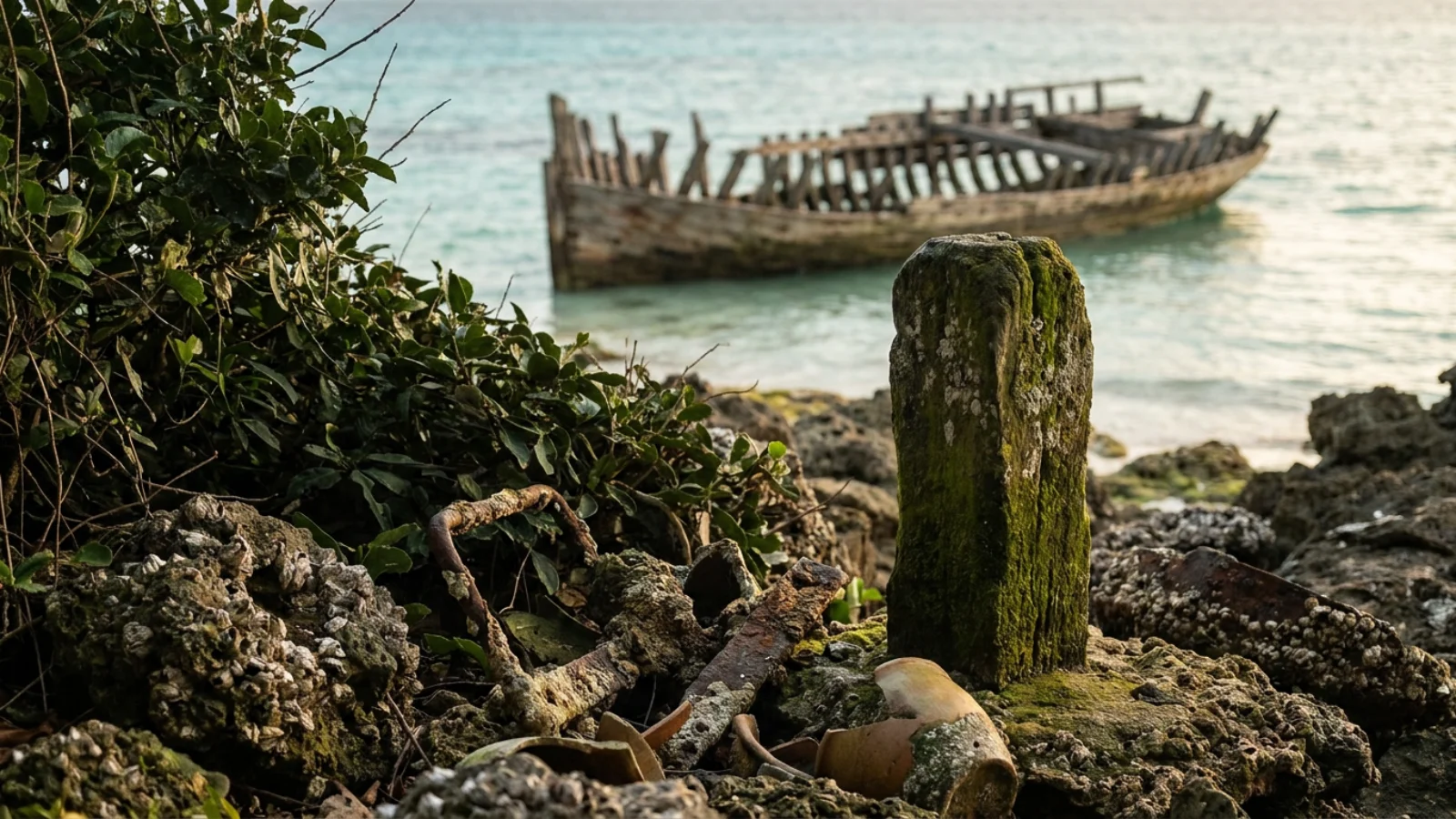
The Ganj-i-Sawai
The Ganj-i-Sawai — meaning “Exceeding Treasure” — was the largest and most valuable ship in the Mughal fleet. It was returning from the annual pilgrimage to Mecca in September 1695, carrying gold, silver, jewels, and hundreds of passengers including ladies of the Mughal court.
Every’s fleet of six pirate ships intercepted the Ganj-i-Sawai and its escort vessel the Fateh Muhammed in the Mandab Strait. The Fateh Muhammed was taken first after minimal resistance. The Ganj-i-Sawai carried 80 cannons and was capable of serious resistance — a lucky early shot from the Fancy disabled its main cannon, and a powder explosion on its deck caused panic among the crew. Every boarded and overcame the remaining resistance in brutal fighting. The attack and its aftermath — the treatment of passengers, particularly women of the Mughal court — became the central point of Mughal outrage and the fuel for the diplomatic crisis that followed.
The diplomatic crisis and the manhunt
The Mughal response to the Ganj-i-Sawai attack was immediate and severe. Aurangzeb imprisoned the East India Company’s factors at Surat and threatened to expel England from Indian trade entirely. English commercial interests in India were worth vastly more than any pirate’s plunder.
The English government, facing the potential destruction of its most valuable commercial relationship, responded with unprecedented energy. A proclamation offered £500 for Every’s capture — the largest reward yet offered for a pirate. The East India Company added its own reward. Letters were sent to colonial governors across the Atlantic world. Admiralty courts were put on alert. Six of Every’s crew were eventually captured in Ireland and England, tried at the Old Bailey in London, and hanged in 1696 — the first time English courts had prosecuted pirates for crimes committed in the Indian Ocean. Every himself was not among them.
Legacy: the pirate who changed maritime law
Every’s significance in the long run was not the money he took but the political response he forced. The legal innovations produced by the manhunt — the extension of Admiralty jurisdiction to crimes committed outside English waters, the creation of overseas trial mechanisms, the increased naval presence in the Indian Ocean — became the infrastructure that later suppressed the Golden Age of Piracy. The trial and execution of his crew at the Old Bailey established the legal precedent. The diplomatic crisis with the Mughal Empire forced England to treat piracy as a genuine strategic threat rather than a tolerable nuisance. Every was the direct cause of all of it, and he watched none of it, because he was gone.
Related on TheSea
What did Henry Every steal?
Every’s fleet captured the Ganj-i-Sawai — the Mughal Emperor’s flagship — in the Mandab Strait in September 1695. The ship was returning from Mecca carrying gold, silver, jewels, and hundreds of passengers. The plunder is estimated at approximately $400 million in modern equivalent value, making it the largest single maritime capture in the history of piracy.
Was Henry Every ever caught?
No. Despite the largest manhunt in maritime history to that point — government proclamations, company rewards, letters to colonial governors across the Atlantic world — Every was never identified, arrested, or prosecuted. Six of his crew were caught and hanged in London in 1696. Every himself disappeared from the historical record after approximately 1696 and was never found.
What happened to the Mughal Empire after the attack?
The Mughal Emperor Aurangzeb imprisoned the East India Company’s factors at Surat and threatened to expel England from Indian trade entirely. English commercial interests in India were worth far more than the stolen treasure. The crisis forced the English government to take piracy suppression seriously as a strategic matter rather than a tolerated nuisance, producing the legal and naval reforms that ultimately ended the Golden Age of Piracy.
How did Every become a pirate?
He led a bloodless mutiny in the Spanish port of La Coruña in May 1694, taking over the privateer ship Charles II after months of idle waiting with unpaid wages. He renamed the ship the Fancy, elected himself captain by crew vote, and sailed for the Indian Ocean. He was already an experienced naval officer in his mid-thirties when the mutiny occurred.
Was Henry Every the richest pirate in history?
By the value of a single capture, yes — the Ganj-i-Sawai seizure remains the largest single maritime prize in pirate history. Whether Every personally retained his share is unknown. One account suggests he was cheated by merchants in Bristol who took his diamonds and left him with little. The truth of his final years, like almost everything after 1696, is unknown.
Blane Perun has been exploring Earth’s oceans and marine life for over 25 years. Founder of TheSea.Org in 1999, underwater photographer, coral aquaculture pioneer, and explorer of 80+ countries.
About Blane Perun → More on Pirates →