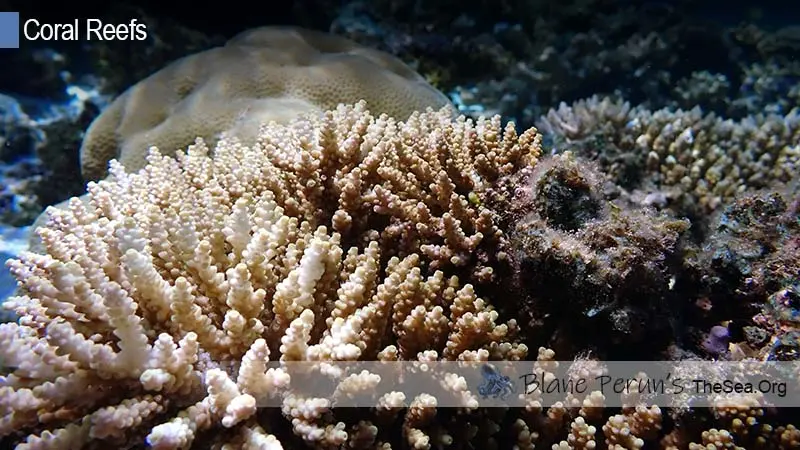
Coral reefs are the most biodiverse ecosystems in the ocean — rivaling tropical rainforests in the sheer number of species packed into a relatively small area. A single reef system can support thousands of fish species, tens of thousands of invertebrate species, and an extraordinary range of marine mammals, reptiles, and other animals that visit or permanently inhabit the reef. The key driver of this diversity is the reef’s physical structure — built entirely by living coral animals over decades and centuries, it creates an almost endless variety of microhabitats exploited by species through millions of years of coevolution.
Fish — The Most Visible Reef Animals
Coral reefs support an estimated 4,000–8,000 fish species — approximately 25% of all marine fish species on less than 1% of the ocean floor. Key groups include:
- Reef sharks: Whitetip reef shark, blacktip reef shark, grey reef shark, nurse shark, zebra shark — apex or mesopredators structuring the entire reef food web
- Butterflyfish and angelfish: Specialized corallivores and planktivores, often brightly patterned
- Parrotfish: Scrape algae from coral; produce white sand beaches from digested coral rock
- Wrasses: 600+ species; includes cleaner wrasses that run “cleaning stations” removing parasites from other fish
- Clownfish and damselfish: Territorial reef residents; clownfish live in sea anemone tentacles
- Surgeonfish and tangs: Key algal grazers
- Groupers, snappers, lionfish: Predatory fish at mid-trophic levels
- Gobies and blennies: Tiny bottom-dwellers living in reef crevices — the most species-rich fish group on many reefs
Coral — The Reef Builders (Animals Themselves)
Coral itself is an animal — each coral “head” is a colony of tiny polyps, each a soft-bodied animal related to sea anemones. Coral polyps build calcium carbonate skeletons that accumulate over centuries into the reef structure. The polyps contain photosynthetic algae (zooxanthellae) in their tissues — the symbiosis that fuels the reef ecosystem. When temperatures rise, corals expel their zooxanthellae, causing bleaching. There are over 800 coral species worldwide.
Sea Turtles
Six of the seven sea turtle species are associated with coral reef ecosystems:
- Green turtle: Grazes on seagrass beds adjacent to reefs
- Hawksbill turtle: A reef specialist — its narrow beak reaches into reef crevices to eat sponges, a dietary preference unusual among sea turtles
- Loggerhead, leatherback, olive ridley, flatback: Use reef-adjacent waters for feeding and rest
Sharks and Rays
Beyond the resident reef sharks, coral reef systems attract larger pelagic visitors:
- Whale sharks visit reef systems during mass coral and fish spawning events
- Bull sharks use reef-adjacent waters and lagoons
- Hammerhead sharks patrol reef walls and drop-offs
- Manta rays and eagle rays cruise above reef structures feeding on plankton and invertebrates
- Stingrays rest on sandy reef patches
Marine Mammals
- Bottlenose dolphins: Hunt fish in reef lagoons and pass through reef systems
- Spinner dolphins: Rest in protected reef lagoons during daylight; hunt offshore at night
- Dugongs: Graze seagrass beds associated with Indo-Pacific reefs
- Humpback whales: Calving and breeding in shallow reef-adjacent waters in some populations (e.g., Great Barrier Reef)
Cephalopods
- Octopuses: Den in reef crevices; active hunters of crustaceans and fish
- Reef squid: Hunt in open water above reefs at night
- Cuttlefish: Ambush predators on sandy reef patches — masters of camouflage
Crustaceans
Coral reefs support extraordinary crustacean diversity:
- Mantis shrimp — reef crevice hunters with the fastest strike of any animal
- Pistol shrimp — form mutualistic burrow-sharing partnerships with gobies
- Cleaner shrimp — establish cleaning stations alongside cleaner wrasses
- Spiny lobster, reef crabs, hermit crabs, barnacles
- Christmas Island red crab and other land crabs associated with reef island environments
Echinoderms
- Crown-of-thorns starfish (Acanthaster planci): A reef predator that eats coral polyps — population outbreaks cause massive coral destruction
- Sea urchins: Important grazers that control algae growth; long-spined black urchin (Diadema antillarum) is critical to Caribbean reef health
- Sea cucumbers: Deposit feeders that process sediment and recycle nutrients
- Feather stars (crinoids): Filter feeders anchored to high-current reef areas
Worms and Other Invertebrates
- Christmas tree worms (Spirobranchus giganteus) — colorful, spiral filter feeders embedded in coral heads
- Flatworms — predators and grazers on reef surfaces
- Polychaete worms including the bobbit worm — lurking in sand
- Nudibranchs — colorful, shell-less mollusks grazing on sponges and hydroids
Key Facts
- Fish species on reefs: ~4,000–8,000
- Share of marine biodiversity: ~25% of all marine species on less than 1% of seafloor
- Coral species: 800+
- Foundation animal: Coral polyp (class Anthozoa)
- Apex predators: Reef sharks, groupers, large predatory fish
Frequently Asked Questions
What is the most dangerous animal on a coral reef?
To humans, the stonefish is the most dangerous reef animal — the world’s most venomous fish, perfectly camouflaged and frequently stepped on in shallow reef areas. Box jellyfish in Australian reef-adjacent waters are also potentially lethal. To reef inhabitants, crown-of-thorns starfish outbreaks cause more widespread destruction than any predator, devouring entire coral areas.
Do coral reefs have mammals?
Yes — dolphins, dugongs, and some whale species regularly inhabit or visit reef systems. None are permanent reef residents in the same way fish and invertebrates are, but many reef ecosystems are critical habitat for marine mammal feeding, resting, and reproduction.
What would happen to ocean life if coral reefs disappeared?
The loss of coral reefs would be catastrophic for ocean biodiversity. An estimated 25% of marine fish species would lose critical habitat — and because reef fish feed fish that feed other fish across the food chain, the impacts would cascade through open ocean ecosystems. Human food security would also be severely affected: reef fisheries directly support the food needs of over 500 million people globally.