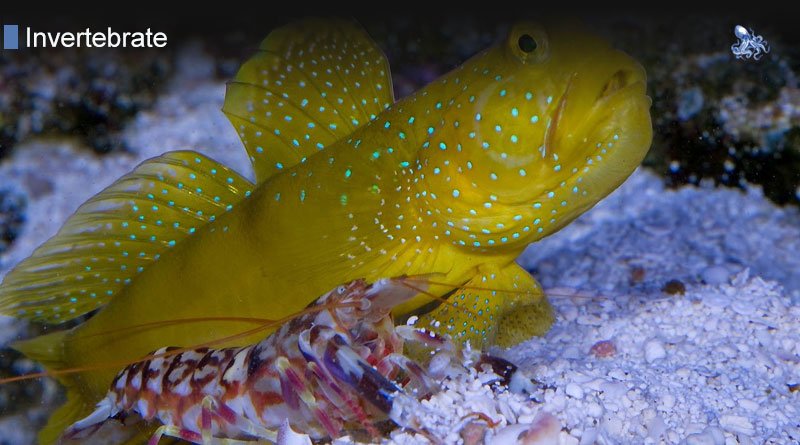
The pistol shrimp produces one of the loudest sounds in the ocean — a cavitation bubble that reaches 218 decibels and briefly generates temperatures near 8,000°F (4,400°C), hotter than the surface of the sun. It does this not with its voice, but by snapping a specialized claw so fast that it collapses a cavitation bubble with explosive force, stunning or killing prey in milliseconds. Understanding the pistol shrimp means understanding one of nature’s most improbable biological weapons.
What Is a Pistol Shrimp?
Pistol shrimp (family Alpheidae) are small crustaceans, typically 1–2 inches long, found in tropical and subtropical oceans worldwide — particularly in coral reefs, seagrass beds, and oyster reefs in the Atlantic, Pacific, and Indian Oceans. There are over 600 species of alpheid shrimp, with the most studied being Alpheus heterochaelis and Alpheus randalli.
What distinguishes pistol shrimp from other small crustaceans is their asymmetrical claws. One claw is normal-sized, used for feeding and manipulation. The other — the “pistol” — is dramatically enlarged, sometimes as large as half the shrimp’s entire body. This is the weapon.
How the Snap Works: The Physics of the Pistol
The pistol claw has a specialized “hammer” and “socket” mechanism. When the shrimp cocks the claw by contracting a muscle, the claw is held in tension. When released, the hammer snaps into the socket at extraordinary speed — around 100 km/h (62 mph). The claw closes in less than a millisecond.
This rapid closure doesn’t just make a loud noise — it generates a high-velocity jet of water and a cavitation bubble. Cavitation occurs when water pressure drops so rapidly that the water locally vaporizes, forming a bubble of water vapor. When that bubble immediately collapses, it releases an enormous burst of energy: a shockwave, a flash of light (a phenomenon called sonoluminescence), and temperatures briefly reaching thousands of degrees Fahrenheit — hotter than the surface of the sun, contained in a bubble smaller than a pinhead and lasting for nanoseconds.
The shockwave from this collapse travels outward through the water and stuns, injures, or kills small fish and invertebrates at close range — allowing the pistol shrimp to collect prey without ever physically touching it first.
How Loud Is a Pistol Shrimp?
The snap of a pistol shrimp reaches approximately 218 decibels at the source — louder than a rifle shot (165 dB) or a jet engine at takeoff (140 dB). In colonies, pistol shrimp collectively produce a crackling background noise in tropical reefs that can interfere with sonar and underwater acoustic research. During World War II, Allied submarines used dense pistol shrimp populations to mask their acoustic signatures from enemy hydrophones.
A single snap lasts approximately 300 microseconds. The shrimp can regenerate a lost pistol claw — and if the pistol claw is removed, the remaining normal claw will begin to develop into a new pistol claw, a remarkable example of regenerative plasticity.
What Do Pistol Shrimp Eat?
Pistol shrimp are opportunistic predators and scavengers. Their primary prey includes small fish, other shrimp, worms, and invertebrates small enough to be stunned by the snap. They typically hunt from burrows or crevices, extending the pistol claw outward and snapping when prey ventures within range.
Some species are also detritivores, feeding on organic matter, algae, and decaying material. Pistol shrimp in symbiotic partnerships (see below) may receive food directly from their goby partners or feed on material brought into the burrow.
The Pistol Shrimp-Goby Symbiosis
One of the most remarkable relationships in the ocean exists between pistol shrimp and certain goby fish species. Pistol shrimp are nearly blind — excellent at building burrows but vulnerable to predators when outside them. Gobies have excellent vision but no ability to excavate shelter.
In this mutualistic partnership, the pistol shrimp builds and maintains the burrow while the goby stands guard at the entrance. The shrimp keeps one antenna in physical contact with the goby at all times while outside the burrow — an antenna-based communication system. When the goby senses a predator and dives for cover, the antenna contact signals the shrimp to follow instantly. In return, the shrimp shares the burrow with the goby.
This partnership has been documented across multiple goby and shrimp species in the Indo-Pacific, with different shrimp-goby pairs often appearing to be species-specific. Some shrimp are found exclusively with a single goby species.
Pistol Shrimp Species Diversity
With over 600 species in the family Alpheidae, pistol shrimp occupy nearly every warm-water marine habitat:
- Alpheus heterochaelis: The most studied species; found in the western Atlantic from the Chesapeake Bay to Brazil, commonly in oyster reefs
- Alpheus randalli: Indo-Pacific species closely associated with the symbiotic goby Amblyeleotris randalli
- Alpheus bellulus: The tiger pistol shrimp, popular in the marine aquarium trade for its striking striped coloration and active burrowing behavior
- Alpheus armatus: Found in the Caribbean, frequently associated with the corkscrew anemone
- Synalpheus regalis: A colonial species that lives in sponges and demonstrates a eusocial structure — one of the very few eusocial crustaceans known, analogous to bees and ants
Pistol Shrimp in the Aquarium Trade
Pistol shrimp are popular in reef aquariums, particularly when kept with compatible goby species. The shrimp-goby pair is fascinating to watch — the constant antenna contact, the rapid retreat when the goby signals danger, and the shrimp’s industrious burrowing activity provide ongoing behavioral interest.
The tiger pistol shrimp (Alpheus bellulus) and the candy cane pistol shrimp (Alpheus randalli) are among the most commonly sold species. They should be kept in tanks with a sand substrate deep enough for burrowing, and paired with a compatible watchman goby species such as Amblyeleotris or Cryptocentrus.
One caution: pistol shrimp will use their snap in a home aquarium and can startle or injure other small tankmates. Some aquarists report audible snapping through tank walls — not damaging, but noticeable in quiet rooms.
Eusocial Pistol Shrimp: The Insect-Like Colony
Synalpheus regalis and related sponge-dwelling pistol shrimp have independently evolved eusociality — the same social structure seen in bees, wasps, and ants. A colony contains one reproductive queen, multiple non-reproductive workers, and soldiers that defend the colony with their snapping claw.
This discovery, first published in the late 1990s, was significant because it demonstrated that eusociality could evolve in marine invertebrates, not just in terrestrial insects and naked mole rats. The selective pressure appears to be the enclosed, defensible sponge habitat — similar to how enclosed nesting structures drive eusociality in insects.
Frequently Asked Questions
Is a pistol shrimp snap really hotter than the sun?
Briefly, yes — the collapsing cavitation bubble reaches temperatures estimated at 8,000°F (4,400°C), which exceeds the surface temperature of the sun (~10,000°F / 5,500°C) in some measurements. This temperature exists only within a bubble smaller than a pinhead for nanoseconds before the surrounding water dissipates it instantly. It does not cause burning or ignition in practice.
Can a pistol shrimp hurt a human?
A pistol shrimp snap can cause a small, sharp sting if directed at skin at very close range — similar to a rubber band snap. It is not dangerous to humans but can be felt. The shrimp is too small to do meaningful injury and has no venom.
How does the pistol shrimp regenerate its claw?
If a pistol shrimp loses its pistol claw, it regrows during the next molt cycle. Remarkably, if the other (normal) claw remains, that claw begins transforming into a new pistol claw, and the regenerated original becomes the new normal claw. The shrimp essentially swaps which side the weapon is on.
What is sonoluminescence in pistol shrimp?
Sonoluminescence is the emission of a brief flash of light from the collapsing cavitation bubble. It was documented in pistol shrimp in 2001 by researchers at the University of Groningen. The flash lasts only nanoseconds and cannot be seen with the naked eye, but it confirms that extreme temperatures and pressures occur at the moment of bubble collapse.
How many species of pistol shrimp exist?
Over 600 species of alpheid (pistol) shrimp have been described, making Alpheidae one of the largest crustacean families. New species continue to be discovered, particularly in the Indo-Pacific and Caribbean reef systems.
Are pistol shrimp reef safe?
Generally yes, with caveats. Pistol shrimp are compatible with most corals, fish, and invertebrates in reef aquariums. Their snapping can occasionally startle fish, and some individuals may become aggressive toward very small tank mates. They should not be kept with very small or delicate shrimp species.
Do pistol shrimp live in groups?
Most pistol shrimp species live in mated pairs or alone. However, the sponge-dwelling Synalpheus species are eusocial and live in colonies of up to 350 individuals with a queen-worker-soldier structure, analogous to social insects.